
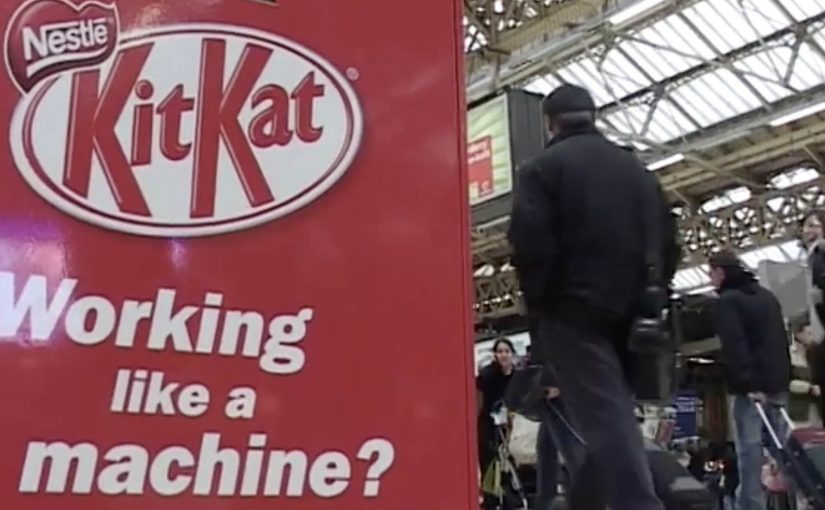
KitKat: Human Vending Machine

We all know how it feels to need a break from the routine of working like a machine. That is why KitKat brought a quirky trend from Japan over to the UK by installing a human vending machine in London’s busy Victoria Station.

Commuters were given a chance to buy a KitKat for 20p, but from a machine with a real difference. A real person operated it from inside, turning a quick purchase into a small moment of surprise and a quick chat. The money was described as going to charity.

A vending machine that replaces automation with a person

The mechanic is straightforward. It looks like a standard vending machine on the concourse. You put money in. You make a selection. Then a real “vendor” inside the unit hands you the bar, human-to-human, at vending-machine speed.

In high-traffic commuter environments, ambient activations (quick, in-the-flow brand interactions placed in public space) work best when the interaction is instant, the reward is obvious, and bystanders can understand the joke in one glance.

Why it lands

This works because it turns the very thing people are tired of, being treated like a machine, into the punchline. The vending format signals efficiency and routine. The human reveal breaks that expectation and delivers the “Have a break” idea as an experience, not a line of copy.

Extractable takeaway: If your brand promise is about relief, do not only describe relief. Stage a short, public interruption of routine where the consumer feels the promise in real time.

What the activation is really doing for the brand

The real question is whether you can make the “Have a break” promise felt without turning the commute into a bottleneck.

This is a strong format when the idea is obvious from a distance and the handoff stays genuinely fast.

At face value, it is a cheap bar and a good deed. Underneath, it is a behavioural prompt in a place where people are stressed, rushed, and receptive to a small uplift. The “human machine” also creates instant social proof. Every interaction becomes a tiny piece of live theatre that recruits the next person in line.

How to borrow the human-vending-machine pattern

  • Make the concept self-explanatory. The best stunts do not need instructions. The crowd teaches the crowd.
  • Build one clean reveal. A single unexpected moment beats multiple clever steps.
  • Design for the queue. Waiting becomes part of the experience and amplifies visibility.
  • Anchor the stunt to the brand line. The “break” is the product, and the bar is the proof.
  • Give people a reason to feel good. A charity tie-in can reduce cynicism and increase participation.

A few fast answers before you act

What is the “human vending machine” idea in one line?

A vending machine that dispenses KitKat bars, but the dispensing is done by a person inside the unit, turning a routine purchase into a surprise interaction.

Why does this work specifically in a commuter station?

Stations concentrate stress, repetition, and time pressure. A fast, playful interruption is more valuable there than a slow, explanatory brand experience.

What makes it feel like a KitKat idea rather than a random stunt?

The experience embodies the brand’s break positioning. It converts “take a break” from a slogan into a short, tangible moment.

What is the main execution risk?

Throughput. If the interaction slows down and the queue becomes frustrating, the stunt flips from “break” to “delay” and the mood collapses.

What should you measure beyond footfall?

Queue conversion rate (people who stop and join vs those who pass by), average interaction time, sentiment in on-site reactions, and whether the activation shifts purchase behaviour during the commute window.
Share Happy Ice Cream Machine

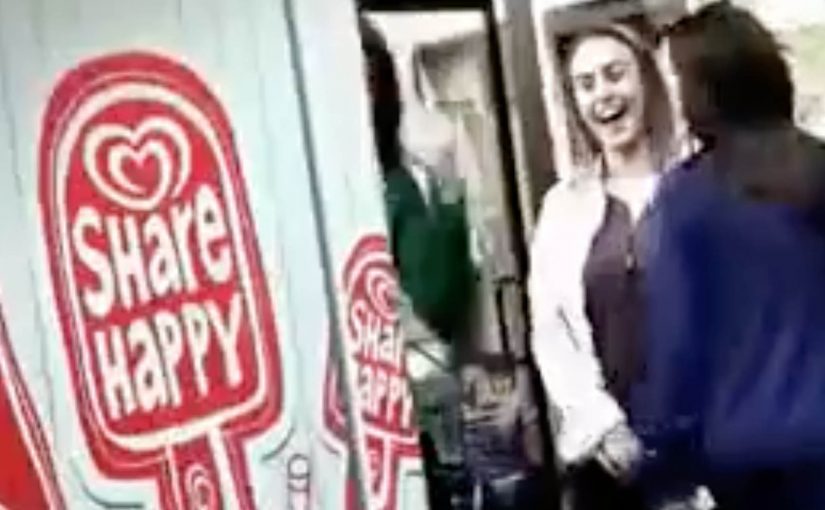
You approach an ice cream machine that refuses to work for a solo person. It only dispenses when two people participate together. The reward is simple. Free ice cream. The behaviour it creates is even simpler. Ask someone nearby to join you.

The idea. Turn a freebie into a shared ritual

Most giveaway machines are built for speed. Press, receive, leave. Share flips the script. The machine makes cooperation the trigger, so the brand message is performed in public rather than stated on a poster.

Why this mechanic works

It removes awkwardness. People have a reason to talk to strangers, and the machine becomes the icebreaker. The shared reward also creates a shared story, which is why these activations often travel well on social. Here, the mechanic is simply the rule people must follow to unlock the reward.

Extractable takeaway: When the reward depends on two people, the brand turns participation itself into proof of the idea.

Buy interaction, not just sampling

In crowded retail and event environments, the hard part is not handing out samples, but giving strangers a reason to interact in public.

The real question is not whether a free ice cream can attract attention. It is whether the brand can turn that attention into a memorable social behaviour.

Share gets that right, because the interaction is the media, not just the reward.

Steal this from the teamwork mechanic

  • Make the rule obvious before people arrive. People should understand from a distance that this only works together.
  • Keep the action physical and quick. The longer the interaction takes, the more the social energy drops.
  • Make the reward immediate. Fast payoff is what turns a small interaction into a satisfying public moment.
  • Judge success by interactions, not just giveaways. The stronger metric is how many micro-connections the brand creates between people.

A few fast answers before you act

What is the Happy Ice Cream Machine?

It is a vending-machine-style activation that dispenses free ice cream only when people participate together, so the reward is tied to cooperation.

Why require two people?

Because it forces a social moment. The brand message becomes a behaviour. Sharing is not a slogan. It is the unlock mechanism.

What makes this kind of activation spread?

It is easy to understand on video. Two strangers team up, the machine responds, and the payoff is instant. That simplicity travels.

Where does this work best?

It works best in places with natural foot traffic and a low barrier to joining in, such as retail zones, festivals, campuses, and public events.

What should you measure?

Participation pairs per hour, average dwell time, repeat attempts, and the share rate of user-generated clips during the activation window.

James Ready: Bar-Ter Campus Tour

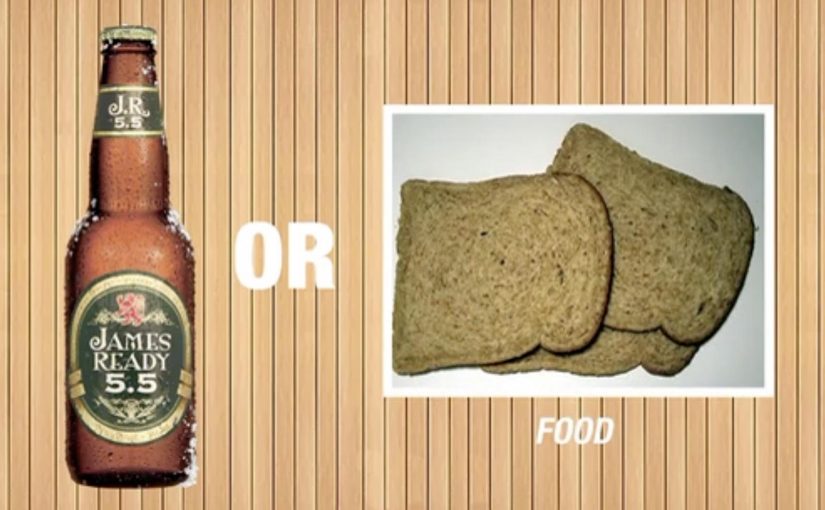
It’s a well-known fact. Students are relatively poor. They have to choose between spending their little money on beer or food, beer or books, and beer or transportation. So Leo Burnett Toronto created The James Ready Bar-Ter Campus Tour. “Bar-Ter” is the campaign’s name for a cap-for-essentials barter mechanic. A way for students to have both. Beer and other necessities.

Students were encouraged to spend their money on James Ready Beer, collect their beer caps, and trade the caps for semi-awesome and useful stuff like detergent, soap, mac n’ cheese, socks and so on.

Beer caps as a campus currency

The idea is disarmingly straightforward. A beer cap becomes a token. Tokens become necessities. Suddenly the brand is not only the thing you buy for a night out, it is also the thing that helps you restock the basics you keep postponing.

Bar-Ter succeeds because it reframes “cheap beer” as “smart trade.” It makes the buyer feel savvy, not broke.

How the Bar-Ter loop works

The loop is simple enough to explain in one breath. Buy beer. Keep caps. Swap caps for stuff you actually need. That simplicity matters because campus promotions only spread when the mechanic is instantly repeatable and easy to tell a friend.

It also builds a visible trail of participation. Caps pile up. People compare counts. The “currency” becomes social proof.

In consumer brands that compete on price and habit, promotions work best when they turn a purchase into a practical ritual people want to repeat.

The real question is whether your promotion creates a repeatable habit or just a one-off spike.

Why it lands with students

Students do not need another discount. They need a way to justify the purchase. Bar-Ter gives them that justification by attaching the brand to everyday utility. The prizes are not aspirational. They are deliberately ordinary, which makes the reward feel honest.

Extractable takeaway: When your audience is cash-tight, utility rewards can justify the purchase better than discounts, because the payoff feels like help, not hype.

There is also a small psychological trick. Collecting caps turns spending into progress. Even if the reward is modest, the accumulation feels like getting somewhere.

What the brand is buying with this promotion

This is not only a giveaway. It is a loyalty habit built on a physical artefact. If you want the cap, you need the brand. If you want enough caps, you need repeat purchase. And because the redemption items are useful, the reward feels earned rather than random.

Industry listings later associated this work with awards recognition, which fits the pattern. A simple mechanic, strong cultural truth, and a clear behaviour change.

Bar-Ter moves worth copying

  • Turn packaging into a token. If the token is already in the product, you lower friction and increase repeat.
  • Reward with utility, not luxury. Useful items make the promo feel like help, not hype.
  • Make progress visible. Collecting is part of the satisfaction. Design the “pile up” effect.
  • Keep the exchange rate legible. If people cannot quickly understand how to win, they will not try.
  • Match the reward to the audience truth. The best prize is the one that feels tailored to their real life.

A few fast answers before you act

What is the James Ready Bar-Ter Campus Tour?

It is a student-focused promotion where people collect James Ready beer caps and trade them for everyday essentials like detergent, soap, mac n’ cheese, and socks.

Why use caps instead of coupons?

Caps are physical proof of purchase that naturally accumulate. They make participation visible and social, and they create a repeat-buy loop without requiring people to track paper discounts.

What makes this kind of promotion feel “smart” rather than cheap?

Utility rewards. When the payoff is something you genuinely need, the purchase feels justified and the brand feels practical rather than desperate.

What’s the biggest risk with token-based promotions?

Redemption friction. If the exchange process is unclear, inconvenient, or understocked, the promotion becomes frustration and the brand takes the blame.

How can a non-beer brand adapt this idea?

Use a built-in product element as the token and exchange it for items that reduce your audience’s everyday pain. The token must be easy to collect and the reward must be meaningfully useful.