A relaunch built on memory. And a ritual
In 2009 Coca-Cola Light was taken out of the Brazilian market. But even after its five year absence, 99% of Brazilians still had the brand in their minds.
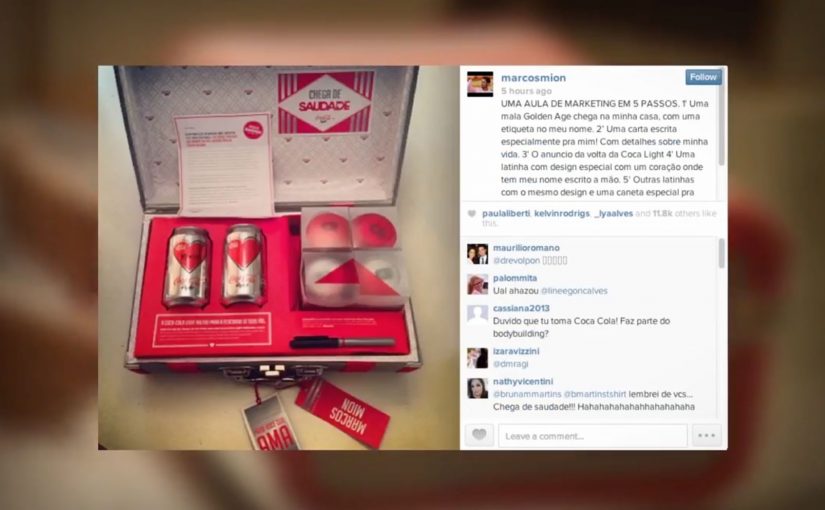
So for their 2014 relaunch they identified 150 influencers that were also real Coca-Cola Light lovers. Here, “influencers” means people with an audience and social credibility who already loved the product. Then a special handmade suitcase was delivered to each one of them. The suitcase contained a personal letter with the relaunch news and a ritual to send Coca-Cola Light cans to special friends with their names handwritten on it. Here, “ritual” means a simple, repeatable set of steps that makes the sharing happen. The results:
The move: turn influencers into messengers, not media
The suitcase is not “merch.” It is a delivery mechanism for a story and a behavior. For relaunches, believers telling believers beats paid amplification. The influencer receives the relaunch news. Then immediately passes it on, name-by-name, to people who matter to them.
In consumer brands with high mental availability, relaunches win when you turn memory into a concrete, shareable action.
The real question is whether your relaunch can ship with a behavior fans can perform immediately, not just a message they can repeat.
Why this feels like love, not marketing
Handwritten names shift the tone. You are not forwarding an ad. You are sending a personal gift with someone’s identity on it. Because the act is one-to-one and named, the relaunch travels through trust and attention, not through reach.
Extractable takeaway: If you want people to carry your message, give them a named, one-to-one action they would feel proud to do, not a generic post they would feel obliged to share.
The relaunch job-to-be-done
Restart conversation and consumption fast by activating people who already love the brand, and giving them a simple way to recruit other “special friends” into the comeback.
Steal this play
- When a brand returns, start with believers. Then give them a repeatable sharing ritual.
- Use personalization as the transmission fuel. Names beat slogans.
- Package the behavior, not just the product. The “how to share” should be inside the box.
A few fast answers before you act
What did Coca-Cola Light do for the 2014 relaunch in Brazil?
They identified 150 influencers who were genuine Coca-Cola Light lovers and delivered handmade suitcases containing a personal letter and a sharing ritual.
What was inside the suitcase?
A personal letter announcing the relaunch and a ritual for sending Coca-Cola Light cans to special friends with names handwritten on the cans.
Why use handwritten names?
It turns distribution into a personal gesture. The relaunch message travels as a named gift rather than a generic announcement.
What is the core mechanic behind the campaign?
Activate true fans first, then convert them into one-to-one distributors by giving them a simple ritual to pass the product on to friends.