A familiar rivalry, reduced to one simple provocation
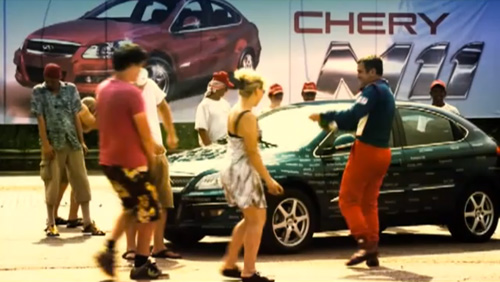
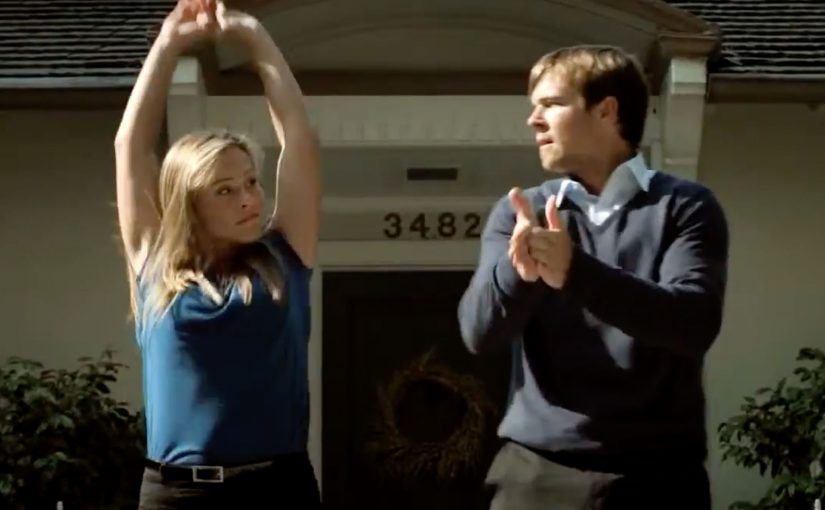
Another BMW vs Audi battle. Here you can watch some amazing ways to take a seat in a BMW.
How the idea works once you look past the stunts
The mechanic is built on a tiny human action with a clear frame. Entering the car becomes the entire performance, with the brand as the stage and the seat as the punchline.
In European automotive markets, playful rivalry cues can turn ordinary product moments into highly shareable entertainment without heavy explanation.
Why it lands: competitiveness plus physical comedy
It works because the viewer instantly understands the rules. There is an implied opponent, a familiar status game, and a stream of surprising variations that reward continued watching.
The business intent: own “fun to drive” without saying it
Instead of listing features, the brand borrows emotion. It positions BMW as energetic and confident by making the act of taking a seat feel like part of the driving fantasy.
What to steal for your next brand-versus-brand moment
- Use a micro-behaviour as the hook. One simple action can carry an entire story if the frame is clear.
- Let the rivalry do the setup. A known competitor creates instant context without extra copy.
- Stack variations fast. The replay value comes from “what is the next version” momentum.
- Make the proposition implicit. Show the feeling the brand wants to own, instead of explaining it.
A few fast answers before you act
What is the core idea of this BMW clip?
It turns the simple act of taking a seat in a BMW into a series of entertaining variations, framed as a playful BMW vs Audi rivalry moment.
How does the mechanic work?
One repeatable action is performed in multiple surprising ways. The audience keeps watching to see the next variation, not to learn features.
Why is brand rivalry effective here?
Because it creates instant stakes and a familiar frame. Viewers immediately understand the “battle” and focus on the execution.
What is the business intent behind this approach?
To reinforce BMW’s energetic, confident brand feel by associating the product with fun and performance, delivered as entertainment rather than claims.
What is the most transferable takeaway?
Choose one product-adjacent behaviour that everyone recognises, then make it repeatable, surprising, and easy to share.