A Christmas moment built for the worst part of travel
Airports during the holiday season are generally filled with tired, disgruntled people facing delays, lost luggage, and a long list of small mishaps. WestJet uses that exact setting to deliver a Christmas miracle at the point where people least expect anything good to happen. The baggage belt.
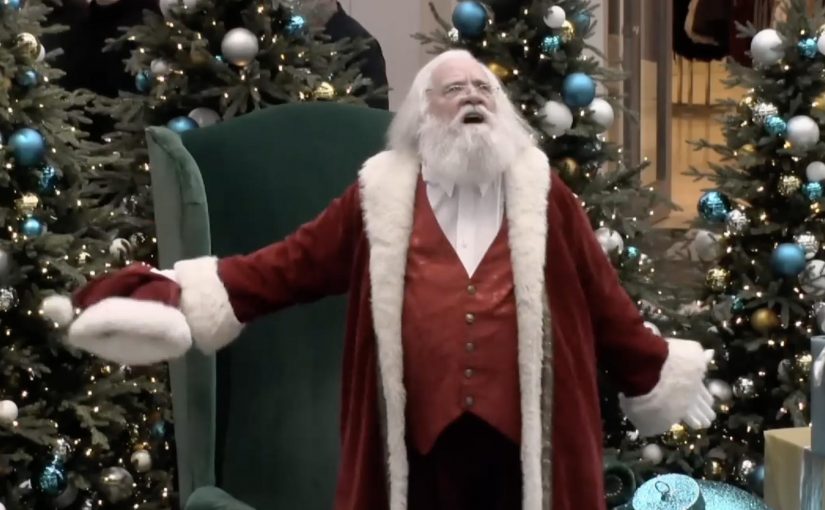
With the help of a virtual Santa Claus, the airline asks unsuspecting passengers waiting to board flights to Calgary from Toronto and Hamilton International Airports what is on their Christmas wishlists.
Then more than 150 WestJet employees play Santa’s elves, gathering personalized presents and delivering them to the Calgary airport before the passengers land. At baggage claim, the carousel brings the surprise to life and the travelers receive their holiday miracle.
The mechanic that turns “nice idea” into a real surprise
The work is not the Santa screen. The work is the fulfillment race. Capture wishes at the departure gate, buy the gifts immediately, clear logistics fast enough to beat a flight, and make the reveal happen at a single shared moment where everyone is already looking in the same direction.
That last detail matters. Baggage claim is a forced wait with a fixed focal point. When the surprise arrives there, the reaction is collective, contagious, and easy to film without feeling staged.
In service brands, the fastest way to earn trust is to transform a routine pain point into a visibly human act of care.
Why it lands
It respects the viewer’s skepticism. People are used to holiday messages. They are not used to holiday logistics that actually deliver. The story also stays legible even if you miss the setup. You see gifts on a baggage belt, you see genuine reactions, and you instantly understand the promise being made about the brand. The real question is not whether a holiday message can feel warm, but whether the brand can operationalize that warmth in a way people instantly believe.
Extractable takeaway: If you want surprise-and-delight to travel, design the reveal around a shared focal point, then make the fulfillment real enough that people would talk about it even without a camera.
Not their first airport Christmas
This is not WestJet’s first attempt at spreading airport Christmas cheer. The year before, the airline created a Christmas-themed flash mob, complete with dancing elves, right in the middle of an airport.
A final note to close the year
And with that, a very Merry Christmas and a Happy New Year. Here is a lovely remake of “Little Drummer Boy” by Pentatonix to bring this last Ramble of the year to a close.
What service brands should steal from WestJet’s reveal
- Pick a moment everyone already shares. The best reveal locations are places where attention naturally converges.
- Make the operational proof the message. The buying, wrapping, and delivery speed is the real differentiator.
- Engineer one clean narrative arc. Ask. Fulfill. Reveal. React. Do not clutter it with subplots.
- Let the audience do the advocacy. When people feel genuinely seen, they narrate it for you.
A few fast answers before you act
What is WestJet’s “Christmas Miracle” execution?
Passengers share their Christmas wishlists with a virtual Santa at the departure airport, then those gifts appear for them at baggage claim after landing, turning a routine airport wait into a shared surprise moment.
Why does baggage claim work as the reveal location?
It is a forced wait with a single focal point. Everyone is already watching the same place, so the surprise becomes collective and instantly memorable.
What is the core mechanic behind the campaign?
Real-time fulfillment. Capturing wishes is easy. Buying, wrapping, transporting, and staging gifts before the flight lands is the proof that makes the story credible.
What makes this more shareable than a typical holiday ad?
The reactions read as unmistakably real, and the narrative is simple enough to retell in one sentence without explanation.
What is the main lesson for other brands?
Transform a predictable pain point into a visible act of care, then design the reveal so it happens in a shared moment people naturally witness together.