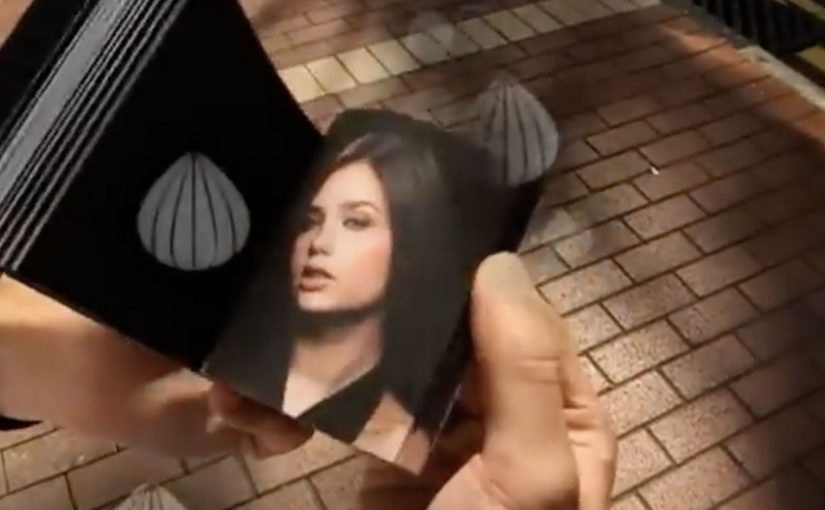
Bad breath is one of the most embarrassing issues for people when they socialize. Listerine decided to bring this experience to life with a flipbook that released a pungent onion scent.
To induce trials, a coupon was attached to the back of the flipbook and people could redeem it for a free Listerine bottle at nearby locations. Reported redemption rates reached 66%.
How the flipbook makes “bad breath” real
The mechanism is sensory contrast. By sensory contrast, the idea uses an unpleasant smell to make the problem felt before presenting relief. The flipbook invites curiosity, then the onion scent turns the message into a physical reaction rather than a line of copy. The coupon sits at the exact moment of discomfort, offering a clean, immediate next step.
In personal care and FMCG trial programs, multi-sensory sampling can convert awareness into action by making the problem visceral and the solution frictionless.
Why it lands
This works because it skips explanation and goes straight to feeling. The real question is whether the brand can make an invisible hygiene problem feel urgent without needing a long explanation. People do not need to be persuaded that bad breath is awkward. The scent creates instant empathy, and the coupon makes the brand’s role clear. This works because the unpleasant smell collapses the distance between message and felt need, so the offer lands exactly when the problem feels most real. It is not just “remember Listerine”. It is “fix this now”.
Extractable takeaway: If you can make an invisible problem tangible in seconds, you earn attention. When the solution is placed immediately at the point of reaction, trial becomes the natural next move.
What to steal from this trial mechanic
- Use one sensory punch: pick a single sense and make the idea unmistakable, not subtle.
- Place the offer at peak relevance: the call to action should appear exactly when the user feels the problem.
- Keep the conversion step simple: a clear redemption path beats a complex signup flow.
- Design for public reaction: when people react visibly, the activation creates its own distribution.
- Measure beyond reach: redemption and repeat behavior are the real KPIs, not just views.
A few fast answers before you act
What is the Listerine “flipbook with bad breath” activation?
It is a flipbook handout infused with an onion scent to simulate bad breath, paired with a coupon for a free bottle to drive trial.
Why add scent instead of just showing a message?
Scent turns an abstract problem into an immediate, physical experience. That speed is what makes the idea memorable and shareable.
What role does the coupon play?
It converts the reaction into a next step. The coupon makes the solution actionable at the exact moment people feel the discomfort.
Is the 66% redemption figure reliable?
It is reported in trade coverage. If you need it as a hard metric, keep it but treat it as reported unless you have the primary source.
Where does this pattern work best?
When the product solves a problem people already recognize, and when you can make the problem instantly tangible without crossing into humiliation or offense.