
Jibo: The Social Robot for the Family

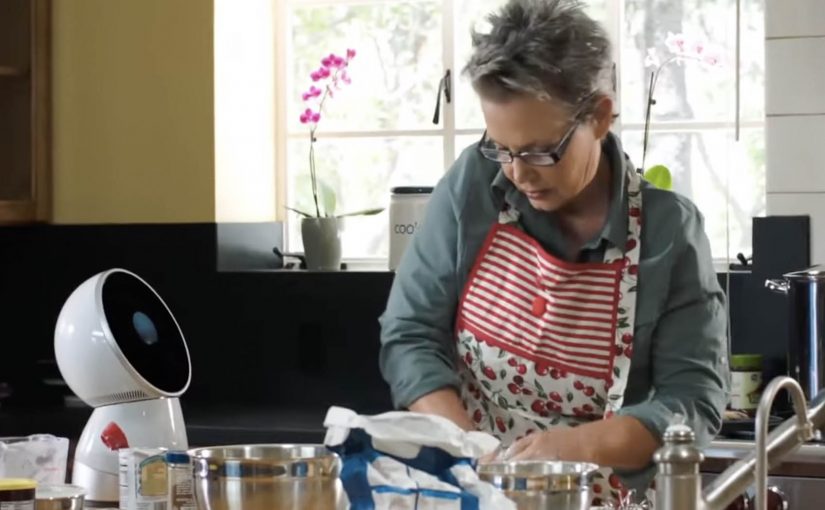
A robot that provides a personal and meaningful human experience is set to become reality through Jibo, an 11 inch tall, 6 pound, swiveling circular robot. Friendly, helpful and intelligent, Jibo is billed as the world’s first social robot for the family. Here, “social robot” means a robot designed to feel present and interactive in everyday home life, not just to complete tasks.

Here is a short demo video created for its crowdfunding campaign.

The pitch is “relationship”, not “utility”

The mechanism is straightforward. A small tabletop robot with a swiveling body and a screen uses motion, timing, and conversational cues to feel present in the room, rather than behaving like a static gadget. That matters because a sense of presence makes the product easier to imagine in the home than a static device would.

In consumer technology launches, the hard part is not explaining what the product does. It is making people feel why they would want it in their home.

Why it lands

This works because it frames the robot as a character. When a device has personality, the viewer stops evaluating it like a spec sheet and starts imagining it as part of daily routines. That shift is exactly what a crowdfunding-style launch needs, because belief and emotional attachment matter before the product is widely available.

Extractable takeaway: If you are launching something unfamiliar, do not lead with feature lists. Lead with a clear role the audience can picture, then use design and behavior to make that role feel natural and desirable.

What the business intent really is

The demo video is doing more than product explanation. It is creating a category frame. “Social robot for the family” is a positioning stake, and the crowdfunding moment is the fastest way to turn curiosity into momentum, pre-orders, and a community that will advocate for the concept.

The real question is not whether the robot can do enough, but whether people can imagine wanting it around them every day. For a product like this, positioning the relationship comes before explaining the utility.

What product marketers should borrow

  • Make a new category legible. Give the audience a simple label they can repeat to others.
  • Use behavior as proof. How the product moves, reacts, and “shows attention” can persuade faster than technical claims.
  • Sell the role. “What is this in my life” beats “what is this in the lab”.
  • Build community early. Crowdfunding works best when supporters feel like first insiders, not early buyers.

A few fast answers before you act

What is Jibo?

Jibo is a small tabletop robot positioned as a “social robot for the family”, designed to deliver a more personal, human-feeling interaction than a typical gadget.

How big is it?

The project describes Jibo as about 11 inches tall and around 6 pounds.

What does “social robot” mean here?

It refers to a robot designed for human interaction and presence in the home, using behavior and personality cues rather than only task execution.

Why launch via a crowdfunding demo video?

Because new categories need belief before they need scale. A demo video can communicate the role, the feeling, and the promise quickly, then convert interest into early supporters.

What is the main lesson for product marketers?

When the product is unfamiliar, show the “relationship” it creates in context, then let the technology sit behind the experience.
Pepsi Refresh: Monthly Grants for Ideas

Pepsi wants to make the world a better place and so it has up to $1.3 million in Refresh grants to give out every month, ranging from $5,000 through to $250,000.

The social investment campaign can be seen online at www.refresheverything.com, and is being presented as Pepsi’s alternative to spending on television advertising at the Super Bowl this year.

From January 13, US residents can submit an idea online, choosing categories of health, arts and culture, food and shelter, the planet, neighborhoods, and education.

From February 1, 2010, visitors to the site will be able to vote on ideas, with the first 32 awards being announced on March 1.

The clever part is the trade

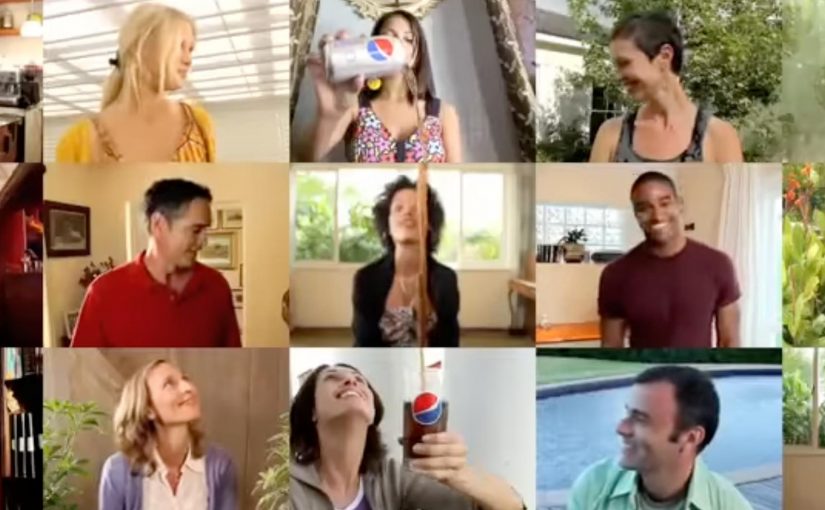
The headline here is not just the money. It is the positioning. The real question is whether you can trade a single paid burst for a repeatable participation loop without losing clarity or trust. Pepsi is framing this as an alternative to a single high-cost burst of attention, and shifting that investment into a participatory program where people submit, rally support, and vote.

Why this format can generate momentum

It works because the format creates a loop people can re-enter. Each month resets urgency, gives participants a clear job to do, and turns support-building into something visible.

Extractable takeaway: If you want participation to create reach, make recruiting support effortless and make the cycle easy to repeat.

  • A clear incentive. Monthly grants create repeated urgency, not a one-off moment.
  • Built-in categories. Health, arts, food and shelter, the planet, neighborhoods, and education make participation easy to understand.
  • Voting creates distribution. If your idea needs votes, you recruit your network. That recruitment becomes the media.

In large-scale brand purpose programs, participation grows when funding, voting, and sharing are designed as a repeatable cycle rather than a one-off moment.

What to watch if you run campaigns like this

  1. Transparency. People will want to understand how ideas are evaluated and funded.
  2. Participation fatigue. Monthly cycles help, but the experience has to stay simple to repeat.
  3. Proof of impact. The long-term credibility comes from showing what the funded ideas actually achieved.

What to steal from Pepsi Refresh

  • Make the trade explicit. Position the program as the alternative to a single high-cost attention burst.
  • Design for repeat participation. Use a simple monthly rhythm, clear categories, and a predictable submit-and-vote flow.
  • Let supporters do the distribution. Require votes so participants recruit their networks, and that recruitment becomes the media.

A few fast answers before you act

What is the Pepsi Refresh Project?

It is a social investment program where Pepsi offers monthly “Refresh grants” and invites people to submit community ideas and rally votes to get them funded.

How much funding is available?

Up to $1.3 million in grants per month, with awards ranging from $5,000 to $250,000.

When can people submit and vote?

From January 13, US residents can submit ideas. From February 1, 2010, visitors can vote, with the first 32 awards announced on March 1.

What categories can ideas be submitted under?

Health, arts and culture, food and shelter, the planet, neighborhoods, and education.

What is the strategic alternative being positioned here?

Pepsi is presenting the program as an alternative to spending on television advertising during the Super Bowl, shifting that spend into a participatory grant platform.