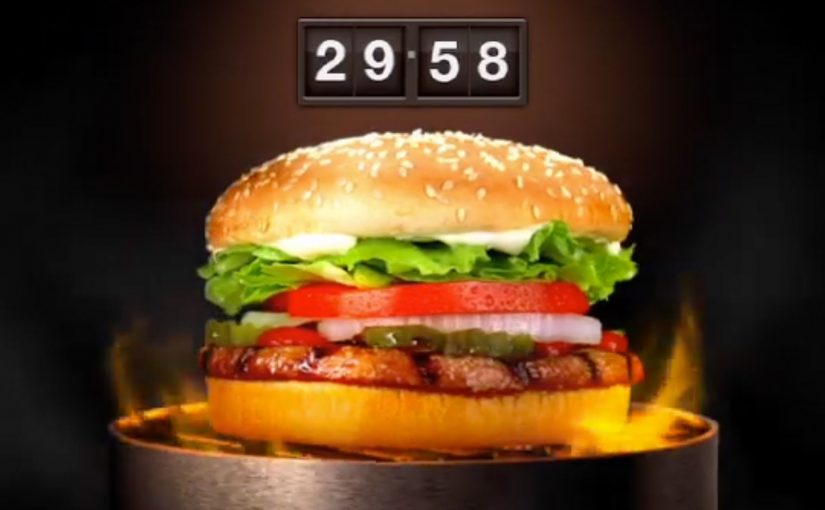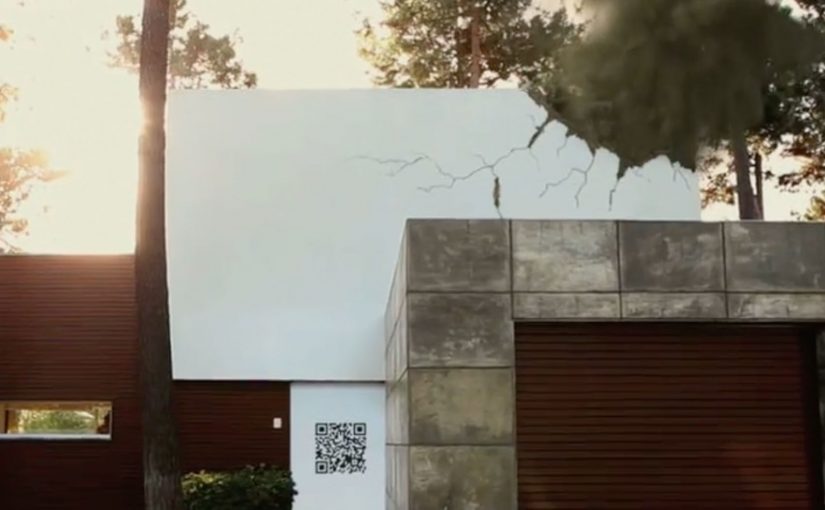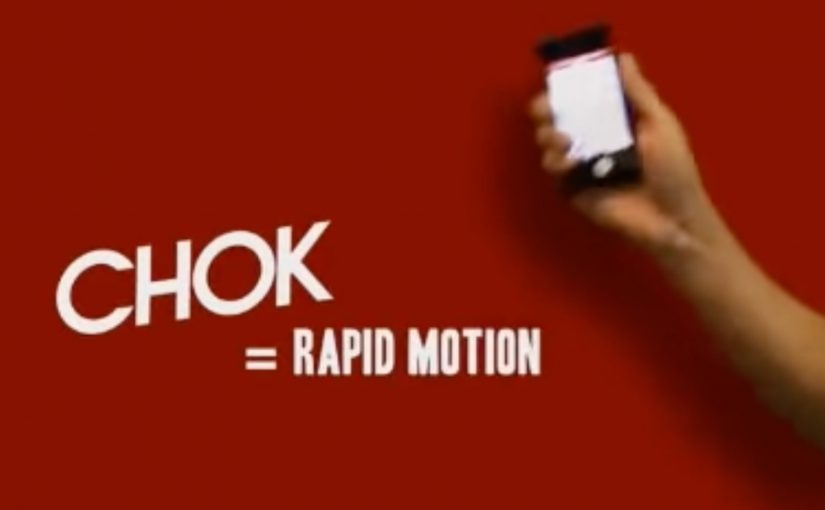
Mobile and creative thinking can come together to create really compelling marketing campaigns. In this example, Coca-Cola Hong Kong created a “Chok Chok” mobile app that turned the viewer’s smartphone into a remote control for their TV ad.
To collect the Coca-Cola bottle caps that appeared on the TV screen, viewers had to swing their phones when the ad came on. Those who successfully managed to swing and collect were instantly rewarded with prizes that included cars, sports apparel, credit card spend value, travel coupons and movie tickets.
As a result the campaign was seen by 9 million people and the app got over 380,000 downloads.
The real question is whether your second-screen idea creates a one-step action people can do instantly when the media moment appears.
For those wondering, the bottle cap collection was enabled through the audio signal of the ad, which triggered the application and synced the user’s motion with the ad. The accelerometer in the phone was also used to assess the quality of the motion. Together they were used to catch the bottle caps virtually.
However as far as I know, Honda in the UK was the first to pioneer this kind of an interactive TV ad, even though it did not receive results like Coca-Cola.
In mass-reach consumer campaigns where TV attention and smartphone use overlap, audio-synced interactivity can turn a passive spot into a short participation window.
Why this works so well
It works because it gives the viewer control in a way TV usually does not. Here, “viewer control” means one deliberate physical action that directly drives what you get from the ad. Because the ad’s audio triggers the app and the accelerometer judges motion quality, the “catch” feels causally tied to the on-screen moment instead of feeling random.
Extractable takeaway: If you want participation in real time, design a one-second action that maps cleanly to an on-screen event, then make the feedback and reward immediate.
- Viewer control is the hook. The ad is not just watched. It is “played” through a simple physical action.
- Timing creates urgency. You have to act when the ad is live, which turns media time into a moment of participation.
- Feedback is immediate. You swing, you collect, you win. The loop is easy to understand and easy to repeat.
Steal this second-screen loop
Start with a single, unmistakable behavior the viewer can do in one second. Then use a reliable synchronization trigger (here, the ad’s audio) and a sensor input (here, the accelerometer) to connect the phone action to what happens on screen. This is the right level of interactivity for broadcast media: simple action, obvious timing, instant payoff.
- One-second action. Choose a gesture the viewer can do immediately when the spot starts.
- Reliable sync trigger. Use a broadcast-carried signal to trigger the experience, such as the ad’s audio.
- Sensor validation. Use the phone sensor input to assess whether the action quality is good enough to “count”.
- Immediate feedback. Keep the loop legible: swing, collect, win.
A few fast answers before you act
What is Coca-Cola “Chok Chok”?
It is a Coca-Cola Hong Kong mobile app that synchronizes with a TV ad and lets viewers swing their phones to collect on-screen bottle caps for prizes.
How did the app sync with the TV ad?
The app used the audio signal of the ad as the trigger, then aligned the on-screen moments with the user’s motion so “collection” happened at the right time.
What role did the accelerometer play?
The accelerometer assessed the quality of the swinging motion, helping determine whether the viewer “caught” the bottle caps virtually.
What is the main takeaway for interactive TV and second-screen work?
Make participation effortless, tie it to a tight timing window, and reward the action immediately so the viewer feels impact in the moment.