
Super Bowl 2014 Ads

Super Bowl Sunday is the mecca of television advertising year after year. Advertisers on this day have a golden opportunity to create valuable brand buzz and recognition through astronomically priced 30 second television spots. By brand buzz, I mean people repeating your brand name or distinctive cue unprompted in the hours and days after the game.

After watching over 60 ads that use both time-tested and unconventional strategies to attract attention, I have come up with my most entertaining list.

I start with one that immediately sets the tone for why Super Bowl ads matter. Big emotion. High memorability. Then I round it out with a mix of humour, characters, and simple ideas executed with confidence.

How I picked these ten

I looked for spots that make one clear choice, emotion, humour, or a character you can describe in a sentence, then execute it cleanly enough that you remember the brand, not just the joke.

In global consumer brands and agencies, Super Bowl work is a stress test for whether a brand can earn attention and stay memorable in a single crowded media moment.

Why these spots stick

When a spot commits to one simple idea and pays it off with a clear emotional or comedic beat, it becomes easy to retell, and retellability is what turns a 30 second moment into memorability.

Extractable takeaway: If people cannot retell your ad in one sentence, they will not carry your brand name with it.

The real question is which parts of a 30 second story people still remember when the game is over and the next morning is crowded with other brands.

I lean toward ads that trade clever complexity for a single, confident idea that stays attached to the brand at the moment you remember.

Budweiser: Puppy Love


Volkswagen: Wings


Dannon Oikos Greek Yogurt: The Spill


Bud Light: Ian Up For Whatever


Heinz: If you are happy


Kia K900: The Truth


Hyundai Genesis: Dad’s Sixth Sense


Duracell: Trust Your Power


Doritos: Time Machine


M&M’S: Delivery

What to borrow for your next brief

  • Choose one main beat. Pick emotion, humour, or character first, then let everything else serve that choice.
  • Make the brand part of the payoff. Ensure the remembered moment still carries the brand name or distinctive cue.
  • Keep it retellable. If the premise cannot be repeated in one sentence, it will not travel beyond game night.
  • Use characters as memory hooks. A simple, consistent character or device can do more work than extra plot.
  • Execute with confidence. Simple ideas win when they are committed to, not over-explained.

A few fast answers before you act

What is this post?

A curated list of my most entertaining Super Bowl 2014 ads, selected after watching over 60 spots.

How many ads are on the list?

Ten.

Which brands are included?

Budweiser, Volkswagen, Dannon Oikos, Bud Light, Heinz, Kia, Hyundai, Duracell, Doritos, and M&M’S.

How should I use this list?

As a fast reference for what stands out on the biggest advertising day of the year. Then use it to compare how different brands earn attention through emotion, humour, and memorable ideas.
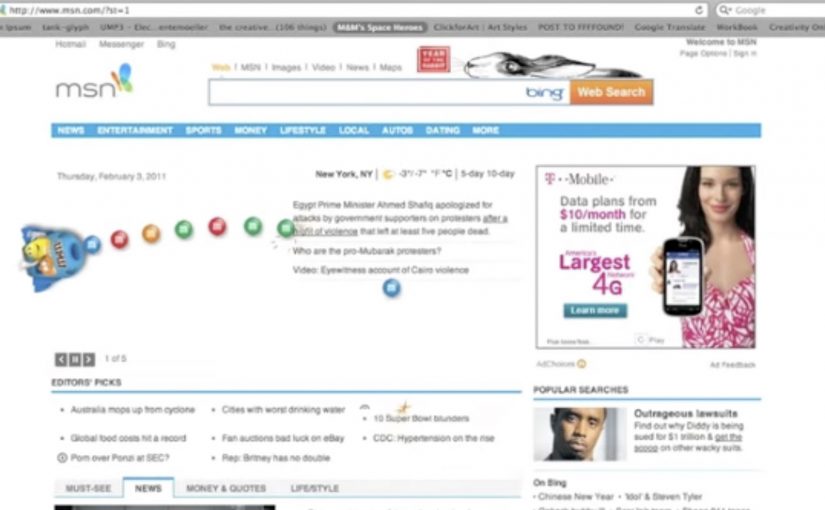
M&M’s: Space Heroes Bookmarklet

BBDO Denmark created a fun bookmarklet for M&M’s Space Heroes. You drag a little spaceship into your bookmarks bar, then visit any website and start blasting the page content with M&M’s.

A bookmarklet is a small script saved as a browser bookmark, so it can “overlay” an experience on top of whatever page you are currently viewing.

A tiny install that turns the whole web into a playground

The mechanic is deliberately low-friction. No sign-up, no download, no destination site required after setup. The “media” is any page you are already on, and the brand turns up as an interactive layer you can trigger on demand.

In consumer digital marketing, lightweight browser mechanics can create disproportionate delight because they hijack familiar environments without asking people to change habits.

Why this lands

This works because it feels like you discovered a secret feature of the internet. The brand is not interrupting your attention. It is giving you a tool you can deploy when you want, which makes it read as play rather than advertising. The real question is how to make branded play feel user-invited instead of ad-delivered.

Extractable takeaway: If you want interactivity to spread, reduce setup to a single gesture, then let people apply the experience to their own context so every use feels personal and share-worthy.

What the brand is really doing

M&M’s is associating itself with quick, mischievous fun. This is a stronger engagement model than a one-and-done microsite because the user decides when the brand shows up. The bookmarklet format also extends session time without demanding it. People keep it around and trigger it repeatedly, which creates a very different relationship than a one-time campaign visit.

What to borrow from this bookmarklet pattern

  • Make activation instant. One simple action to start the experience beats a long funnel.
  • Let people choose the stage. “Any website” turns the audience into co-creators.
  • Keep it visibly harmless. Stress relief works when it feels playful, not destructive.
  • Offer a clear entry point. A single URL that explains and delivers the tool removes hesitation.

A few fast answers before you act

What is M&M’s Space Heroes?

It’s a bookmarklet-based browser toy that lets you overlay a simple “shooting” interaction on top of any webpage, themed around M&M’s Space Heroes.

How do you use a bookmarklet like this?

You drag the provided item into your bookmarks bar, then click it while viewing any website to launch the experience on that page.

Why does this format work for advertising?

It feels optional and playful. People choose to activate it, which reduces resistance and increases repeat use.

What’s the main risk if you copy this pattern?

Browser support and security perceptions. If the setup feels confusing or sketchy, people will not install it.

How do you measure success for a bookmarklet campaign?

Installs, repeat activations per user, average session time, sharing or screen-recording volume, and downstream brand lift.