
A Can Size for Every Aussie

A Can Size for Every Aussie

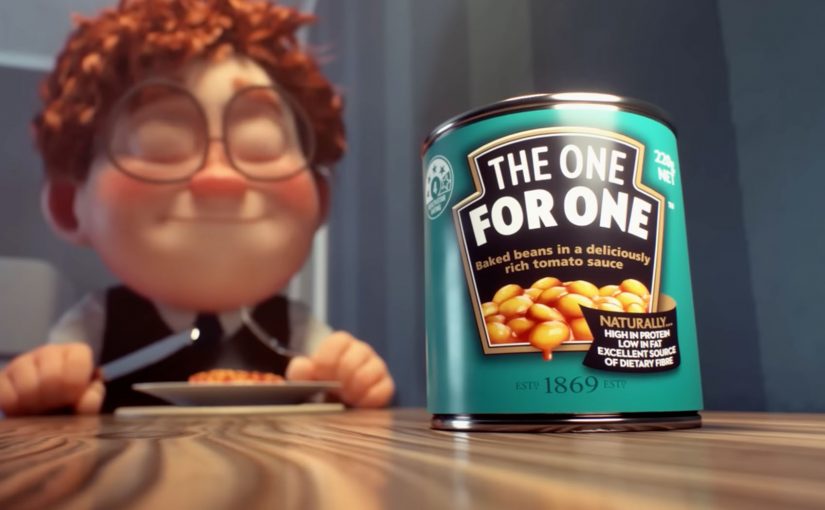
Kraft launches four new sizes of Heinz baked bean cans with a three-minute “life narrative” film. It follows Geoff, a man addicted to beans, and his future wife, whom he meets in the spaghetti department. The story builds to the punchline. Geoff “invents” a range of can sizes that feels perfect for different Australian occasions.

The creative choice is doing a lot of work. It turns something that is normally functional and forgettable. Pack size. Into a character-driven narrative that is easy to watch and easy to remember.

The insight behind the pack strategy

In 2016, Kraft commissions consumer and shopper research to understand how Australians use Heinz beans and spaghetti. The key finding is straightforward. People want ideal can sizes that suit different occasions.

Four sizes is not “more choice” for its own sake. It is a response to a usage reality. One household does not always need the same portion format.

Why a film is the right container for a packaging story

Packaging benefits can sound like rational product copy. This film makes the point emotionally, then lands it practically.

Extractable takeaway: When the product change is useful but easy to ignore, story can turn the format logic into something people can retell.

In FMCG portfolios, format expansion only scales when shoppers can instantly see why each variant exists.

This is the right strategic move because the job is not to announce four SKUs. It is to make each size feel like an intuitive answer to a real usage moment, so the portfolio looks helpful instead of bloated.

The real question is whether the audience immediately understands why more pack formats improve everyday use.

The narrative format also solves a distribution problem. It gives the campaign a reason to be watched and shared even by people who do not currently care about can sizes.

What to steal if you are launching format variants

  • Start with a concrete usage insight, not a portfolio decision.
  • Give the variant story a memorable mental model. Here, “a can size for every occasion.”
  • Use entertainment to earn attention. Then let the product logic feel obvious, not forced.

A few fast answers before you act

What is being launched here?

Four new sizes of Heinz baked bean cans.

What insight drives the launch?

Kraft’s research shows Australians are looking for ideal can sizes to suit different occasions.

How is the launch communicated?

Through a three-minute life narrative film featuring Geoff and his future wife in the spaghetti department.

What is the core marketing technique?

Use story to make a functional packaging benefit feel human, memorable, and worth sharing.

Why not just announce the new sizes directly?

Because the film helps the audience feel the usefulness of the size range, rather than processing it as a dry packaging update.

Super Bowl 2014 Ads

Super Bowl 2014 Ads

Super Bowl Sunday is the mecca of television advertising year after year. Advertisers on this day have a golden opportunity to create valuable brand buzz and recognition through astronomically priced 30 second television spots. By brand buzz, I mean people repeating your brand name or distinctive cue unprompted in the hours and days after the game.

After watching over 60 ads that use both time-tested and unconventional strategies to attract attention, I have come up with my most entertaining list.

I start with one that immediately sets the tone for why Super Bowl ads matter. Big emotion. High memorability. Then I round it out with a mix of humour, characters, and simple ideas executed with confidence.

How I picked these ten

I looked for spots that make one clear choice, emotion, humour, or a character you can describe in a sentence, then execute it cleanly enough that you remember the brand, not just the joke.

In global consumer brands and agencies, Super Bowl work is a stress test for whether a brand can earn attention and stay memorable in a single crowded media moment.

Why these spots stick

When a spot commits to one simple idea and pays it off with a clear emotional or comedic beat, it becomes easy to retell, and retellability is what turns a 30 second moment into memorability.

Extractable takeaway: If people cannot retell your ad in one sentence, they will not carry your brand name with it.

The real question is which parts of a 30 second story people still remember when the game is over and the next morning is crowded with other brands.

I lean toward ads that trade clever complexity for a single, confident idea that stays attached to the brand at the moment you remember.

Budweiser: Puppy Love


Volkswagen: Wings


Dannon Oikos Greek Yogurt: The Spill


Bud Light: Ian Up For Whatever


Heinz: If you are happy


Kia K900: The Truth


Hyundai Genesis: Dad’s Sixth Sense


Duracell: Trust Your Power


Doritos: Time Machine


M&M’S: Delivery

What to borrow for your next brief

  • Choose one main beat. Pick emotion, humour, or character first, then let everything else serve that choice.
  • Make the brand part of the payoff. Ensure the remembered moment still carries the brand name or distinctive cue.
  • Keep it retellable. If the premise cannot be repeated in one sentence, it will not travel beyond game night.
  • Use characters as memory hooks. A simple, consistent character or device can do more work than extra plot.
  • Execute with confidence. Simple ideas win when they are committed to, not over-explained.

A few fast answers before you act

What is this post?

A curated list of my most entertaining Super Bowl 2014 ads, selected after watching over 60 spots.

How many ads are on the list?

Ten.

Which brands are included?

Budweiser, Volkswagen, Dannon Oikos, Bud Light, Heinz, Kia, Hyundai, Duracell, Doritos, and M&M’S.

How should I use this list?

As a fast reference for what stands out on the biggest advertising day of the year. Then use it to compare how different brands earn attention through emotion, humour, and memorable ideas.