
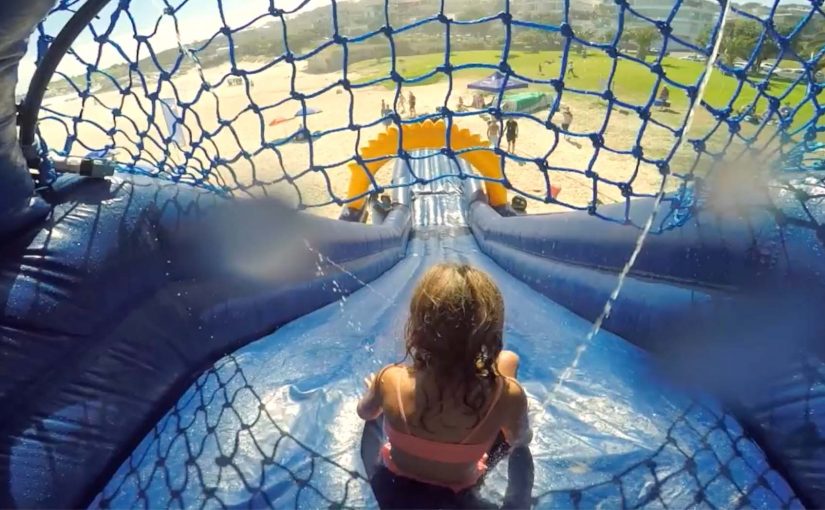
Nivea SunSlide

Kids are at the beach. They want to run, swim, and slide for hours. Parents want one thing first: sunscreen. That usually means a negotiation. Nivea flips the dynamic by turning sun protection into the game itself. It builds a slip-and-slide that sprays water-resistant SPF 50+ as kids go down. One ride applies the sunblock. The line is simple and strong: the “funnest” way to apply sunscreen. The claim is even better because it is measurable: one slide covers about 100 kids per hour.

The core move

Remove the biggest friction in kids’ sun protection by embedding sunscreen into something they already want to do.

The real problem it solves

Parents do not struggle with intent. They struggle with compliance.
Kids do not resist sunscreen because they hate protection. They resist because applying it interrupts fun.

The real question is how you make sun protection happen without making kids stop the fun.

SunSlide is a behavioral design solution. By behavioral design, I mean shaping the environment so the desired action happens as the default. It makes the protected action the entertaining action.

What gets built

A physical slide that sprays sunscreen as part of the ride. The experience does not ask kids to pause. It rewards them for participating. By turning application into the ride, it removes the interruption that triggers resistance.

In some coverage, the wider campaign context frames this against South Africa’s high skin-cancer risk and the heightened vulnerability of children, which is why “make protection automatic” becomes the creative strategy.

Why it works as brand experience

It works because the product promise is delivered as a moment of play, not a lecture.

Extractable takeaway: If you can embed a protective behavior into something people already want to do, adoption feels like participation and the brand earns trust through utility.

Utility is the message

The campaign does not tell you to protect your kids. It shows a mechanism that does it.

The product truth is delivered through physics

Water-resistant SPF is not a claim on a pack. It is the substance literally flowing through the experience.

The story is instantly repeatable

“A slide that applies sunscreen” is a one-sentence idea that travels without explanation.

The deeper point

Brand experience works best when it earns attention by being useful. This is what brand-led innovation looks like when it is honest. It takes a genuine consumer pain point, removes friction with a physical design, and makes the brand feel helpful rather than preachy.

What to borrow if you design activations

  • Find the one moment people always skip. Do not start with awareness. Start with the behavioral gap. Here, it is the interruption moment.
  • Convert interruption into participation. If the solution feels like a rule, people resist. If it feels like play, they opt in.
  • Make the benefit visible and countable. “100 kids per hour” makes the idea feel real. It turns a stunt into a scalable concept.

A few fast answers before you act

What is SunSlide?

A slip-and-slide that sprays water-resistant SPF 50+ sunscreen onto kids as they ride, making sun protection automatic.

What problem does it solve?

It removes the recurring “stop and apply sunscreen” interruption that kids resist and parents dread.

Why is it effective as marketing?

Because the product benefit is experienced, not explained. The activation becomes the proof.

What is the key behavior design lesson?

If you can embed the desired behavior into something people already enjoy, compliance becomes participation.

What is the biggest risk with this kind of idea?

If the experience feels unsafe, messy, or untrustworthy, parents opt out immediately. The execution must feel controlled, clean, and credible.
Castrol: Vuvu Lyza

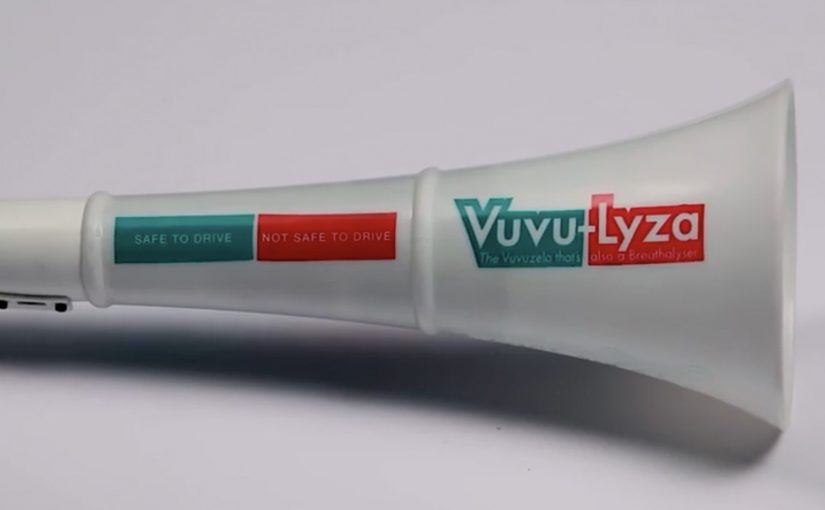
The breathalyser test is one of the most common ways to check alcohol levels, and it is also one of the most disliked. Castrol takes that friction point and fuses it with something fans actually enjoy using. The vuvuzela. The result is the Castrol Vuvu Lyza.

Positioned as a first-of-its-kind twist for South African drivers, the idea lets people enjoy the game and still make a safer call about getting home afterwards.

A safety tool disguised as fan gear

The core move is deliberately simple. Merge the breathalyser everybody hates with the vuvuzela everybody loves. The campaign turns a compliance moment into a ritual moment, by putting the test inside an object that already belongs in the match-day experience.

How the Vuvu Lyza works

After the game, drivers blow into the Vuvu Lyza like a normal vuvuzela. The breathalyser element then indicates whether they are above the legal drinking limit, described through an easy colour cue. Green means go. Red means no.

In road-safety communications, attaching a serious decision to a familiar social ritual can reduce resistance and increase follow-through.

Why this lands

This works because it removes the moral lecture and replaces it with a usable object. People do not feel policed. They feel equipped. The “hate” of a breath test is softened by the playfulness of fan culture, and the decision point becomes immediate, visible, and hard to rationalise away.

Extractable takeaway: If your message depends on behaviour change, hide the “compliance” inside an object people already want to use, then make the outcome binary and instantly readable.

What Castrol is really doing

Beyond awareness, this positions Castrol as a brand that shows up in everyday driving consequences, not just in engine performance claims. It also borrows the cultural loudness of football fandom to give road safety a shareable, talkable form.

The real question is how to get fans to self-check at the exact moment match-day emotion can override judgment.

What behaviour-change campaigns can steal

  • Merge pain with pleasure. Put the disliked behaviour inside a loved object or ritual.
  • Make the decision binary. One clear signal beats a nuanced message at the point of action.
  • Design for post-event reality. Build for the moment people actually make risky choices.
  • Let the object carry the story. A physical device is easier to demonstrate, film, and retell than a warning.

A few fast answers before you act

What is the Castrol Vuvu Lyza?

It is a vuvuzela adapted to include a breathalyser, intended to help drivers make a safer decision about driving after drinking.

How does it tell you if you should drive?

You blow into it, and the device indicates whether you are above the legal drinking limit using a simple colour signal described as green for go and red for no.

Why combine a breathalyser with a vuvuzela?

Because the vuvuzela is culturally familiar and fun, which lowers resistance to the breath test moment and makes the safety behaviour easier to adopt.

What’s the core campaign message?

Enjoy the game, then make a clear, safer call before getting behind the wheel.

What’s the biggest risk with this kind of activation?

If the device is not trusted, or the signal is unclear, the behavioural promise collapses. The tool has to feel reliable and instantly understandable.

Coca-Cola: Rainbow Nation Rainbows

A rainbow you can actually chase across Johannesburg

Twenty years ago, South Africa elected Nelson Mandela in the country’s first-ever democratic election. This led Archbishop Desmond Tutu to coin the phrase “The Rainbow Nation,” referring to the country’s diverse people.

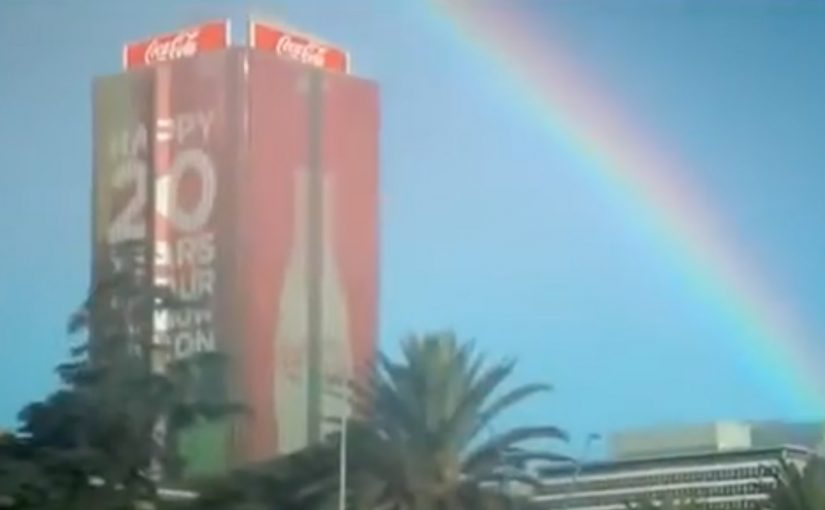
Now to celebrate this 20th anniversary of democracy, Coca-Cola decided to literally create rainbows. Using sunlight, water, some fancy science and a little bit of magic, they made rainbows pop up all over Johannesburg. Some rainbows even reached the ground, for those who sought to discover where they ended.

The trick: make the symbol physical

This is not a graphic. It is a phenomenon placed into normal streets. And the moment the rainbow reaches the ground, the campaign stops being something you watch. It becomes something you can follow. This works best when the symbol becomes a physical invitation, not a slogan.

The real question is whether people can choose their way into the meaning, instead of being told what it means.

Why discovery beats declaration

You are not told what to feel. You either stumble into it and smile. Or you choose to go looking for the end. That voluntary participation is what makes it feel like magic, not messaging.

Extractable takeaway: If you want participation, turn the message into a small quest people can opt into, not a statement they are asked to agree with.

In city-scale brand activations, the strongest participation comes from turning a familiar symbol into a discoverable experience people can physically encounter.

What it was really celebrating

Twenty years of democracy, expressed through a shared symbol, brought to life in the city.

Ideas worth borrowing

  • Turn an abstract story into something people can encounter in the real world.
  • Add a simple “seek and find” layer so curiosity becomes the call-to-action.
  • Keep the explanation light. Let the experience carry the meaning.

A few fast answers before you act

What did Coca-Cola do for “Rainbow Nation”?

They made rainbows appear across Johannesburg to celebrate twenty years of South African democracy, including rainbows that reached the ground.

Why is the phrase “Rainbow Nation” used?

Archbishop Desmond Tutu coined “The Rainbow Nation” to describe South Africa’s diverse people following the country’s democratic transition.

What was the viewer experience?

People encountered rainbows in public space, and some could be followed to the ground to discover where they ended.

What is the core creative mechanic?

Transforming a cultural symbol into a real-world phenomenon people can discover in the city.

How do you recreate this idea without a rainbow?

Pick a symbol your audience already recognizes, make it physically encounterable, and add a simple “seek and find” hook so people choose to participate.