A tiny final that deserved a real crowd
In European telco marketing, the strongest brand stories often make connectivity feel human: it is not about coverage maps, it is about helping people reconnect what mattered.
Martijn, a 39-year old carpenter, attempted to bring back his football team from 1997 for a rematch of a 13-year old championship final that was then witnessed by a grand crowd of three people.
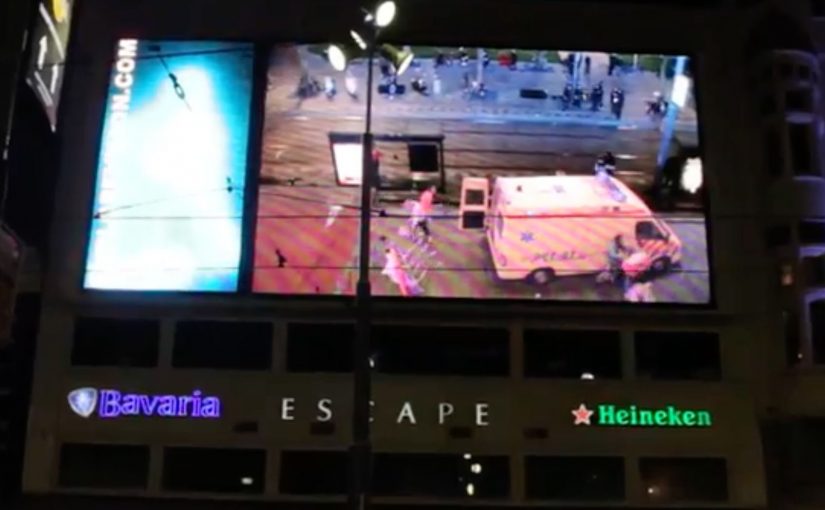
This time, he wanted his entire village to be there to see him win. A dream enabled by T-Mobile Netherlands.
How the rematch premise worked
The mechanism was classic. Take an unfinished personal story, add a clear goal, then remove the practical barriers that made it impossible before.
Reuniting a team after 13 years is not just a scheduling challenge. It is a social one. Finding people, persuading them, coordinating them, and turning “we should” into “we did.” T-Mobile positioned itself as the enabler that made that coordination real.
Why the story lands emotionally
The psychological pull is simple: redemption.
The original match mattered deeply to the people who lived it, but it happened almost unnoticed. Three spectators is not a crowd. It is practically private. The rematch reframed the same sporting moment as something the whole village could witness, validate, and share.
It also taps into identity. A village team is not just sport. It is belonging. Bringing everyone back together turns an individual need into a community event.
The business intent behind enabling the dream
T-Mobile was not selling minutes or data here.
The intent was to associate the brand with making real-life reconnection possible. Helping people organize, mobilize, and show up. In a category where offers are easy to copy, emotional ownership is the differentiator.
What to steal for your next brand film
- Start with a concrete, human objective. A rematch with a real stake beats any abstract message.
- Make the “before” painfully small. Three spectators sets up a powerful contrast for the payoff.
- Let the brand enable, not star. The hero is the person. The brand removes friction.
- Scale the moment socially. A private memory becomes a public event. That is where shareability comes from.
A few fast answers before you act
What is T-Mobile Netherlands’ The Rematch about?
A 39-year old carpenter reunites his 1997 football team for a rematch of a 13-year old championship final that only three people watched at the time.
What is the core mechanism of the idea?
Identify an unfinished personal story, then use the brand to remove coordination barriers so the dream can happen at scale.
Why does it resonate with viewers?
It is a redemption story with community payoff. The same moment gets the crowd and recognition it never had.
What business goal does this serve for a telco?
Owning the emotional territory of reconnection and coordination, rather than competing only on interchangeable plans and pricing.
What is the main transferable takeaway?
Make the brand the enabler of a human goal, and build the narrative around contrast: what it was then versus what it becomes now.