
AIDES: A Life

AIDES: A Life

AIDES is described as a leading association in the fight against HIV/AIDS in France and Europe, with a long-running focus on both rights and prevention.

One of its prevention messages is delivered through a short film by TBWA\Paris called “A Life.”

A life story told in reverse

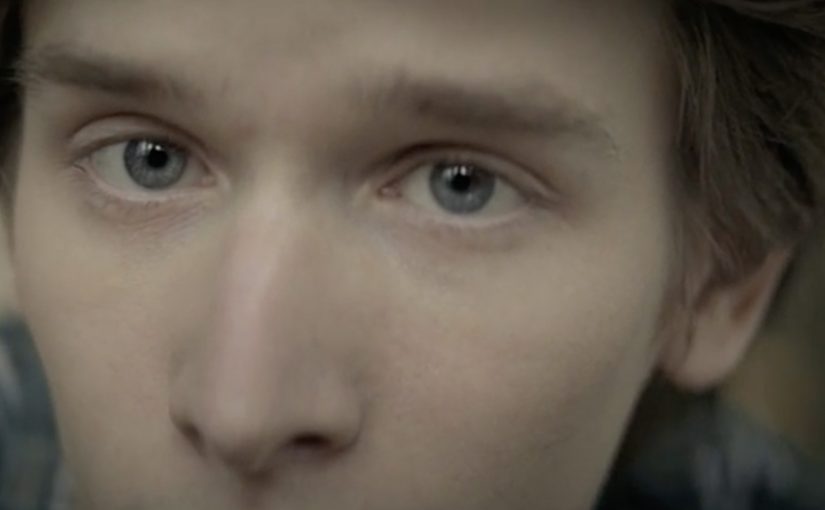
The film is structured as a life narrated backwards. It starts with old age and rewinds through the expected milestones. Family, love, travel, the sense of a full life. Then the rewind lands on a single moment in youth where HIV enters the story, and the future we just witnessed is revealed as the life that will not happen.

In public-health communications, prevention messages compete with fatigue and stigma, so narrative devices have to create attention without sounding like a lecture.

Why the reversal hits harder than a warning

The real question is how to make a familiar prevention warning feel personal enough to interrupt complacency.

Instead of describing risk, the spot makes the consequence legible as absence. It turns prevention from “avoid a bad outcome” into “protect the life you think you are going to have.” The backwards structure keeps the viewer engaged because it feels like a human story first, and only becomes a prevention message at the moment the timeline snaps into focus.

Extractable takeaway: If your message is easy to ignore in abstract form, anchor it in a relatable future, then reveal the single preventable turning point that removes that future.

What the campaign is trying to change

The intent is not awareness of HIV as a concept. It is behavior. That is the stronger strategic move, because the film is built to influence a decision, not just to restate a known risk. Use protection, and treat the decision as something that safeguards years, not minutes. The creative also avoids positioning people living with HIV as “other.” It focuses on a moment anyone can recognize. A choice made early that reshapes everything later.

What to steal for prevention and behavior-change work

  • Start with a human narrative. Let the viewer lean in before you reveal the message.
  • Make the consequence concrete. Show what disappears, not just what might happen.
  • Link the call-to-action to identity. “Protect your life” often motivates more than “avoid a disease.”
  • Use one clear turning point. A single, memorable moment is easier to recall than a list of risks.

A few fast answers before you act

What is the core creative device in “A Life”?

A backwards life narration that rewinds from old age to youth, then reveals the preventable moment where HIV changes the future that was just described.

What behavior is the film trying to encourage?

Prevention, especially the consistent use of protection, by reframing it as protecting your future rather than reacting to fear.

Why does telling the story in reverse work?

It sustains attention and makes the twist meaningful. The viewer first invests in a life they recognize, then understands what is at stake when that life is taken away.

What should a marketer avoid when using a similar approach?

Over-explaining the moral. The power comes from the reveal. If you add heavy-handed copy, you reduce the emotional clarity the structure creates.

When is this structure a good fit?

When a prevention message is well-known but routinely ignored, and you need a fresh device that turns a familiar warning into a personal, memorable stake.
BI Norwegian Business School: Strip

BI Norwegian Business School: Strip

A Norwegian business school ad that wins with humor

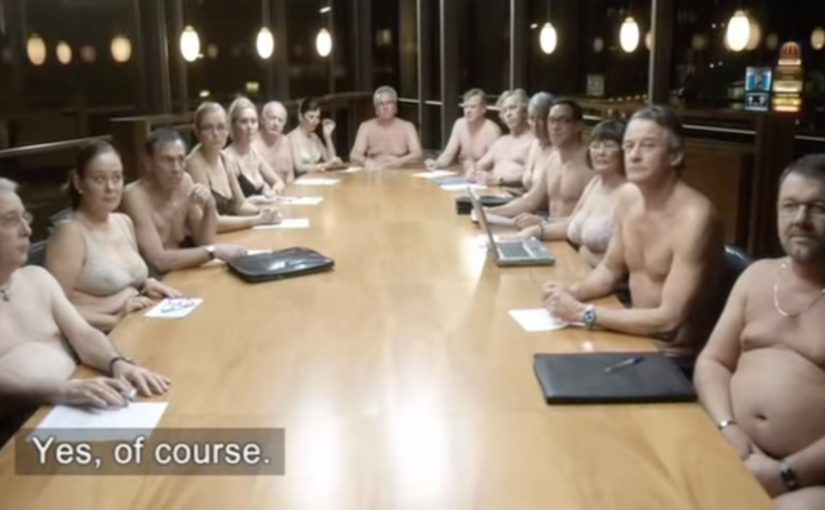
Norwegian ad agency Try has created this humorous TV Commercial for BI Norwegian Business School in Norway.

What the “Strip” format is doing

This film is built like a short, punchy scenario where comedy does the explaining. The title “Strip” signals a reveal. Here, “Strip” means a quick reveal structure. Set up one situation, then strip it back to the point. The joke is the hook, and the point lands after you’ve already committed attention.

When recruitment advertising works, it makes the viewer feel the consequence of being unprepared or underestimated. Then it positions education as the fix.

In higher-education recruitment, attention is scarce and differentiation is hard, so a clear comic scenario can compress the message into something people remember.

The real question is whether your recruitment message can earn attention before it asks for belief.

Why a humorous recruitment ad can outperform “informative” messaging

A humorous scenario is often stronger than an information-led message when you need reach beyond paid media. People rarely share program facts. They share moments. A comedic execution creates that moment, and it travels because it is easy to retell.

Extractable takeaway: If you want your recruitment message repeated by people who owe you nothing, build a retellable moment first and attach the proof after.

It also flatters the audience. If the viewer gets the joke quickly, they feel clever. That positive emotion transfers to the brand.

Stealable moves for recruitment marketing

  • Lead with one simple situation. One scene. One tension. One payoff.
  • Make the title do work. A strong title sets expectation and primes the reveal.
  • Earn the brand message late. Let the scenario pull people in, then attach the takeaway.
  • Keep it culturally specific, but universally readable. Local tone helps, but the human moment should translate.

A few fast answers before you act

What is BI Norwegian Business School’s “Strip” ad?

It is a humorous TV commercial created for BI Norwegian Business School, designed as a short scenario that makes a recruitment point memorable through comedy.

Who created the ad?

The film is credited to Try Reklamebyrå for BI Norwegian Business School.

Why use humor for a business school recruitment message?

Humor increases attention and recall. It also makes the message easier to retell, which helps recruitment campaigns travel beyond paid media.

What is the main creative mechanism at work?

A single situation creates tension, then the reveal resolves it. That structure delivers a clear takeaway without feeling like a brochure.

What is the biggest risk with this approach?

If the joke is stronger than the takeaway, viewers remember the gag but not the school. The brand connection has to be unmistakable in the final beat.

Radio Tel Aviv 102FM: The City Number Hack

Radio Tel Aviv 102FM: The City Number Hack

Turn the city’s own numbering system into media

There are many radio stations in Tel Aviv, but only one is called “Radio Tel Aviv”. It broadcasts on 102FM. The task is simple. Make the city associate Tel Aviv with the station.

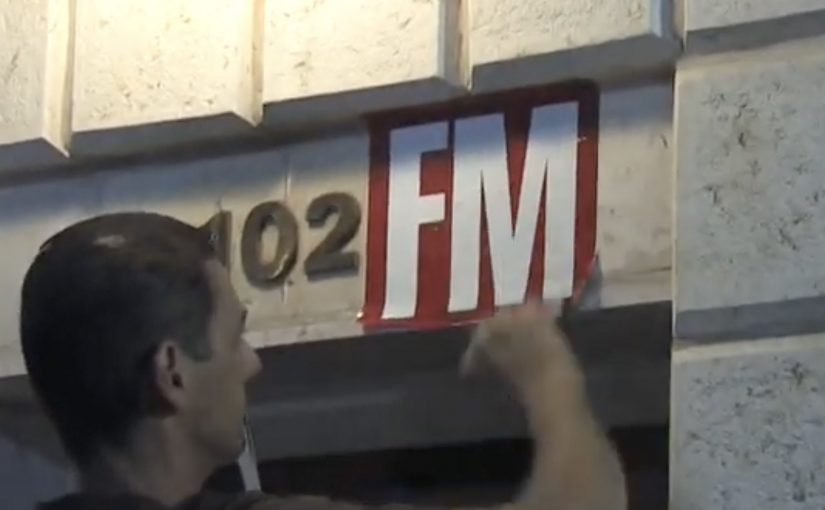
Saatchi & Saatchi Tel Aviv finds a native hook. Major streets in Tel Aviv have building numbers, and “102” appears all over the city. One night, the agency transforms every building number “102” into an ad. Stickers are affixed so “102” becomes “102FM”, complete with the station’s logo and tagline.

The mechanic: hijack an existing cognitive shortcut

People already scan building numbers without thinking. They are part of navigation, deliveries, meeting points, and everyday orientation. By converting “102” into “102FM”, the campaign piggybacks on a habit the city already has and turns it into repeated brand encoding.

In local media branding, the strongest growth lever is often not “more messages”. It is embedding the frequency into a pattern people naturally repeat. The real question is how to make a station identifier feel like part of the city, not just part of the media plan.

Why it lands

It feels clever because it is discovered, not announced. The brand does not interrupt you. It meets you where your eyes already go. And because it is scattered across real places, the idea creates the impression that the station is everywhere, even if the media spend is tiny.

Extractable takeaway: If you want people to remember a frequency, number, or short identifier, graft it onto an existing urban pattern that people already read dozens of times a day.

What radio marketers can steal from 102FM

  • Use native infrastructure. Wayfinding, numbering, and signage are pre-existing attention systems.
  • Keep the modification minimal. The smallest change that flips meaning is often the most elegant.
  • Optimize for repetition. Memory is built through repeated micro-exposures, not one big shout.
  • Make it feel like a city inside-joke. “Spotted it” is a powerful driver of organic talk.

A few fast answers before you act

What did Radio Tel Aviv do with “102” building numbers?

They added stickers so building numbers reading “102” became “102FM”, turning everyday street numbering into repeated reminders of the station frequency.

What is the core creative mechanic?

It hijacks an existing behavior. People already scan building numbers, so the campaign repurposes that habit into brand recall.

Why does this work better than traditional posters for frequency recall?

Because it appears in places people already look, and it repeats naturally across the city, creating many small memory anchors.

What’s the transferable lesson for other brands?

Find a pattern the environment already supplies, then attach your identifier to it in the smallest possible way.

What is the main risk with this tactic?

If it is perceived as vandalism or causes confusion for residents, backlash can override the cleverness. Location choice and execution quality matter.