
The first pre-launch of a car using Twitter

The first pre-launch of a car using Twitter

Twitter is only just taking off in Argentina, and Wunderman Buenos Aires managed to convince Ford to run the pre-launch on Twitter, with great success.

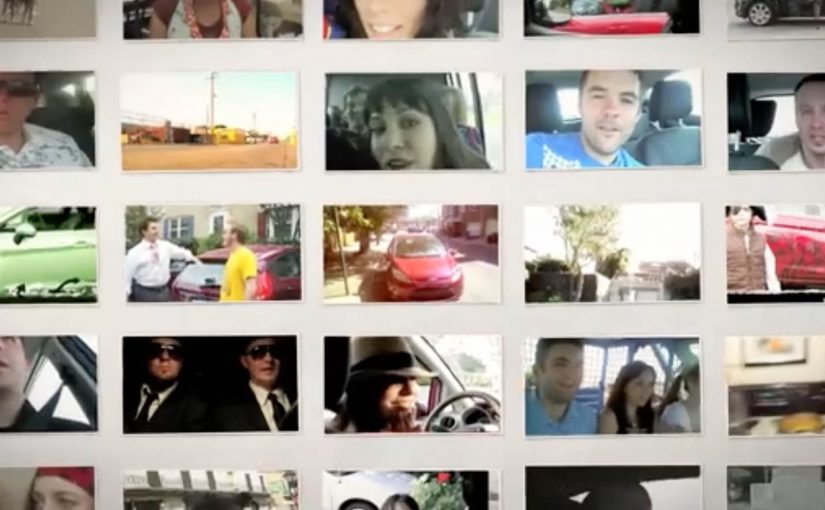
The idea was to give the most followed twitterer in Argentina the one and only new Ford Fiesta available in the country, with the condition that he drive it for 5 straight days, tweeting about his experience. That alone is not new, but the twist was smart. Some of the most famous TV stars jumped in the car and tweeted mini interviews while being driven around in the new Fiesta.

After just 5 days, the campaign had reached over 200,000 people. That is 50% of all Twitter users in Argentina.

Why this pre-launch mechanic works

It turns product access into a live narrative. One car. One highly followed driver. A fixed time window. That constraint creates focus and makes the story easy to follow in real time. The celebrity ride-alongs add a second layer. They keep the feed fresh, they pull in adjacent audiences, and they make the tweets feel like content rather than a running spec sheet.

Extractable takeaway: when a launch gives one person visible access, a tight time window, and guest moments that refresh the feed, the audience gets a story worth following instead of a stream of product claims.

What Ford was really buying

In early social-platform launches, the brand advantage comes from turning limited product access into visible public momentum.

The real question is how to make scarcity feel socially alive before the wider market can experience the product.

The smart move here is not the tweet volume by itself. It is the decision to turn one hard-to-get car into a public format that keeps generating reasons to look again.

What to steal for your next social launch

  • Give someone real access. Scarcity is a stronger signal than claims.
  • Put a clock on it. A defined window creates urgency and repeat checking.
  • Add format variety. Mini interviews change the rhythm and widen appeal.

A few fast answers before you act

What made this a “pre-launch” on Twitter?

The story unfolded through live tweets before broad availability, anchored by one high-profile driver and one car.

What was the core execution?

Argentina’s most followed twitterer drove the country’s only new Ford Fiesta for 5 straight days and tweeted the experience.

What was the twist beyond a standard influencer test drive?

TV stars joined the ride and tweeted mini interviews while being driven around.

What result is highlighted?

After 5 days, the campaign had reached over 200,000 people, described here as 50% of Argentina’s Twitter users.

What is the main takeaway?

Make the launch feel like an event, not an announcement. Access plus a live format beats static messaging.

Flashback Book Facebook App

Flashback Book Facebook App

You scroll through years of Facebook updates, realise how quickly your best moments disappear into the feed, then hit a button to turn them into something you can actually keep. Flashback Book takes your statuses and photos and produces a printed Facebook book you can hold.

The brief. Launch a Facebook platform without the usual gimmicks

Bouygues Télécom asks ad agency DDB Paris to come up with an idea to launch their Facebook platform. The goal is to go beyond using profile pictures in a funny way, or pranking friends with small jokes.

The insight. We post every day, then forget what we shared

DDB looks at the way we use Facebook and finds a simple truth. Even though we use the social networking site every day, we forget our favourite moments we share online. So they create an app that changes that, and keeps Facebook, in a book.

How the Flashback Book is created

Facebook ads engage people to participate in the creation of their books and receive a printed copy of their statuses and photos. You can also choose up to 10 friends to add into your book, as well as the desired timeframe, whether it is your birthday, your wedding, or from the very beginning of your profile.

That works because a few simple choices turn passive scrolling into light curation, which makes the printed outcome feel personal without making the experience feel like work.

Why turning the feed into a book lands

The real question is how you make a social platform feel valuable when most social content is designed to disappear into the next post. The answer here is to turn forgotten updates into a keepsake. This is a smarter launch move than another lightweight Facebook stunt because it gives people something worth finishing.

Extractable takeaway: When people feel their digital history is worth preserving, participation stops feeling like promotion and starts feeling like recovery.

In social platforms built on endless feeds, one durable way to create value is to convert personal traces into something people can keep, gift, or revisit.

After only two days they receive 15000 fans, and the limited edition of 1000 books are gone in only an hour.

What to steal from turning social memories into products

  • Turn the feed into a tangible artefact. A physical output makes “I should do this later” become “I want this now”.
  • Let users curate with a few meaningful choices. Timeframe and included friends are enough control to feel personal without slowing the flow.
  • Use life events as the organising logic. Birthdays and weddings are natural prompts for reflection and gifting.
  • Make the reward feel scarce and real. A limited edition run pushes completion and makes the outcome feel worth the effort.

A few fast answers before you act

What is Flashback Book in one sentence?

It is a Facebook app concept that turns your statuses and photos into a printed book, so your favourite moments live outside the feed.

What choices does the user control?

You choose the timeframe and can include up to 10 friends, which makes the book feel personal and event-based rather than generic.

Why does a physical book work as a social idea?

Because it flips ephemera into permanence. It turns “endless scrolling” into a curated artefact you can keep, gift, and revisit.

What is the key execution lesson here?

Make participation lightweight and the output tangible. When the reward is a real object, the motivation to complete the flow increases.

What makes the experience feel personal without becoming slow?

The user only chooses a timeframe and up to 10 friends. That gives enough control to feel personal without turning the flow into a long editing task.

Volkswagen: The Speed Camera Lottery

Volkswagen: The Speed Camera Lottery

The winning idea of the Volkswagen fun theory award was submitted by Kevin Richardson, USA.

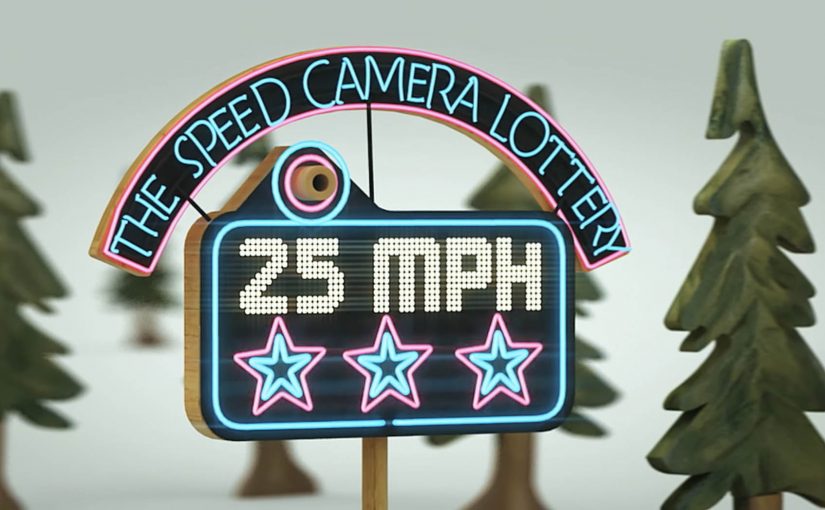
Can we get more people to obey the speed limit by making it fun to do. This is the question Kevin’s idea answers, and Volkswagen, together with The Swedish National Society for Road Safety, makes the idea real in Stockholm, Sweden.

A speed camera that rewards, not just punishes

The core twist is simple. The concept is described as a lottery wrapped around a speed camera. Drivers who pass at or under the speed limit are entered into a draw. The prize money is described as coming from the fines paid by drivers who speed.

That inversion matters because it changes the emotional frame. Instead of “the camera is there to catch me”, the camera becomes “a chance to win if I do the right thing”.

The mechanic: turn compliance into a game loop

The loop is short and repeatable:

  • Trigger: you approach the monitored zone.
  • Action: you choose to stay within the limit.
  • Reward: you are entered into a lottery, and someone wins.
  • Reinforcement: the story travels because “I won by driving properly” is novel.

Why it lands: it makes “doing the right thing” emotionally positive

Most enforcement is built on fear of loss. This flips motivation into the hope of gain, without removing consequences for speeding. It keeps the stick, but adds a carrot that people actually want.

Extractable takeaway: If you want everyday behavior to change, do not only increase the cost of the bad action. Add a visible, repeatable reward for the good action, and make the reward easy to understand in one glance.

In urban road-safety environments, messaging often underperforms because it feels like punishment instead of shared benefit.

The real question is how to make compliance feel desirable often enough that people repeat it without being re-taught each time.

What the brand really gets from this

Volkswagen is not selling a feature here. It is sponsoring a philosophy. Make better choices feel desirable, and the brand becomes associated with modern, optimistic problem solving rather than lecturing.

That is also why the execution travels so well as a film. It is a simple story with a surprising twist, and it is easy to retell without technical explanation.

What to steal for your own behavior-change campaign

  • Pay attention to framing: the same rule feels different when it is presented as “win” versus “don’t get caught”.
  • Make the rule legible instantly: people must understand the mechanic in seconds.
  • Design for repeat exposure: behavior change needs loops, not one-off impressions.
  • Fund rewards credibly: link the reward source to the problem so it feels fair.
  • Keep it measurable: define the behavior metric first, then build the experience around it.

A few fast answers before you act

What is the Speed Camera Lottery?

It is a road-safety concept where drivers who obey the speed limit are entered into a lottery, making compliance feel rewarding rather than purely punitive.

Why does adding a lottery change behavior?

It introduces a positive incentive that people talk about. The hope of gain can be a stronger daily motivator than the fear of a fine for many drivers.

Does this replace enforcement?

No. The idea is described as keeping normal enforcement for speeding, while adding a reward layer for drivers who comply.

What makes this a “Fun Theory” idea?

It tries to prove that fun, not just rules, can shift behavior. The experience makes the better choice feel more attractive in the moment.

What should you measure if you copy this?

Average speed and speed variance at the intervention point, compliance rate over time, and whether the effect persists once novelty fades.