
Hevesh5: Domino Tricks Screenlink

Hevesh5: Domino Tricks Screenlink

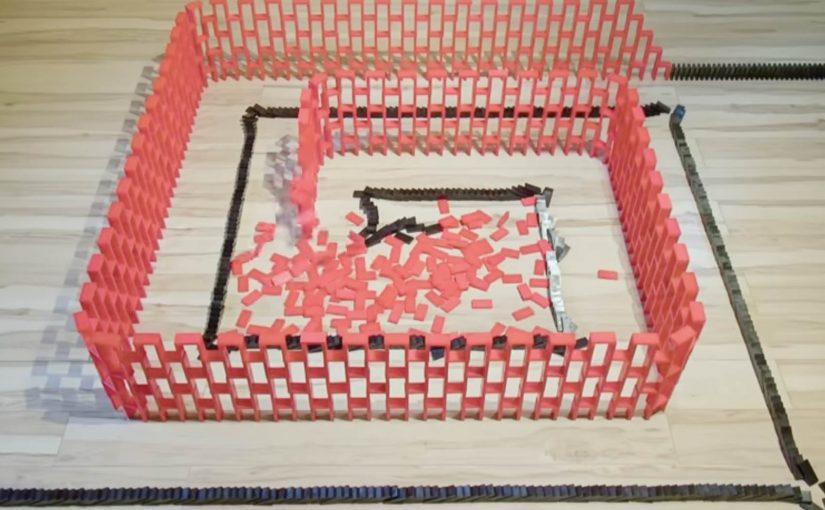
Hevesh5 and MillionDollarBoy spent three months organizing more than 20,000 dominoes into a tight masterpiece of clicks and clatters.

The video uses a technique known as “screenlink”. Each section is constructed separately, then edited together to look like one continuous setup.

What “screenlink” enables

Screenlink is a production workaround that unlocks variety without requiring one gigantic, fragile, single-take build. You can design multiple high-risk moments, film them when they work, and then stitch them so the viewer experiences an uninterrupted flow.

In creator-led visual content, this is a scalable way to deliver “impossible” continuity while keeping build time, failure risk, and resets manageable.

The real question is how you preserve the thrill of continuous payoff without turning practical craft into a production liability. The strongest choice here is to protect momentum for the viewer, even when the build itself has to stay modular.

Why this lands

This works because it preserves the dopamine loop of a perfect domino run. No downtime, no rebuild fatigue, just consecutive payoffs. The editing is invisible enough that the craft still feels physical and earned, which keeps the satisfaction of practical effects intact.

Extractable takeaway: If your content depends on fragile real-world execution, design it as modular sections, capture each section at its best, and stitch the sequence so the audience gets continuous momentum instead of production reality.

What to steal from screenlink production

  • Modularize the build. Treat each “wow” moment as its own unit you can perfect.
  • Edit for perceived continuity. The viewer cares about flow, not your reset count.
  • Make the craft legible. Even with editing, keep the physical logic visible so it feels real.
  • Use collaboration to expand the idea space. Two builders can generate more distinct tricks faster than one.

A few fast answers before you act

What is a “screenlink” domino video?

It’s a domino compilation where separate sections are built and filmed individually, then edited together to appear like one continuous run.

Why not build it as one continuous setup?

A single setup is more fragile and time-consuming to reset. Screenlink reduces risk while enabling more variety.

Does screenlink mean it is fake?

No. The domino physics are real per section. The continuity is created in editing so the overall sequence feels seamless.

What makes a good screenlink edit?

Consistent pacing, clean transition points, and visual continuity cues so cuts are not distracting.

When should brands use this kind of technique?

When you need repeated “wow” moments with practical credibility, but the real-world build is too fragile or costly to execute as one uninterrupted take.
ActionAid: Donate Your Profile

ActionAid: Donate Your Profile

ActionAid is an organisation committed to many projects, like fighting hunger and poverty. But in Italy it is known primarily for sponsoring children.

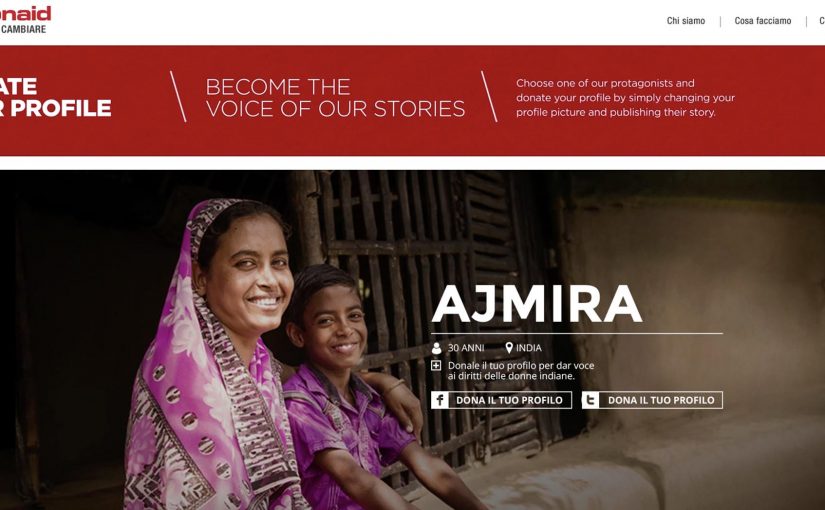
To communicate the broader work of ActionAid with a small media and production budget, DLV BBDO created “Donate Your Profile”. Participants donated their Facebook and Twitter profile pictures so that awareness could be generated for the stories of people ActionAid helped.

How “Donate Your Profile” worked

The mechanism is a simple identity swap. People hand over the most visible square in their social presence. Their profile photo. In return, they display a campaign image tied to a real person’s story, so every comment, like, and share carries that story into everyday social traffic.

Support from Radio 105, Radio Deejay, La Stampa, Marc Marquez and other Italian celebrities and brands helps normalise the behaviour. Once well-known accounts participate, the “donate your picture” action looks safe, easy, and socially endorsed.

In Italian cause marketing, borrowing social identity can outperform paid media when budgets are tight, because it turns personal networks into distribution.

The real question is how to turn a low-budget act of support into something people carry through their normal social behaviour.

Why the profile swap spreads

This works because it converts passive support into a visible, persistent signal. A profile picture is not a post that disappears in a feed. It is a durable badge that travels wherever you show up online, and it prompts questions that naturally lead to explanation and sharing.

Extractable takeaway: If you need earned reach without heavy spend, move the call to action from “share a post” to “change a default”. When people change a default surface, the campaign rides along with their normal behaviour.

The reported impact

The project was described as becoming the 5th most trending topic on Twitter and generating over 79 million media impressions, with more people joining in as the support network grew.

What to borrow from the profile-swap pattern

  • Pick a high-frequency surface. Defaults like profile photos travel more than one-off posts.
  • Make the action reversible. People participate faster when the commitment feels temporary.
  • Seed with credible partners. Media brands and recognisable faces reduce hesitation.
  • Turn participation into a conversation starter. The best mechanics invite questions, not just clicks.

A few fast answers before you act

What is “Donate Your Profile”?

It is a campaign where people replace their Facebook and Twitter profile pictures with a campaign image, so ActionAid stories gain awareness through everyday social interactions.

Why use profile pictures instead of posts?

A profile picture is persistent and high-visibility. It shows up repeatedly across comments and interactions, so the message travels without requiring constant re-posting.

How did the campaign scale beyond early participants?

Reportedly through support from media brands and celebrities, which makes the behaviour feel normal and increases follow-on participation.

What results were reported?

Reported results included reaching the 5th most trending topic on Twitter and generating over 79 million media impressions.

What is the main risk with this pattern?

Trust. If people are unclear about what is being changed, for how long, and what they are authorising, participation drops. The exchange must be transparent and easy to undo.

Jimmy Kimmel: Halloween Candy Prank 2013

Jimmy Kimmel: Halloween Candy Prank 2013

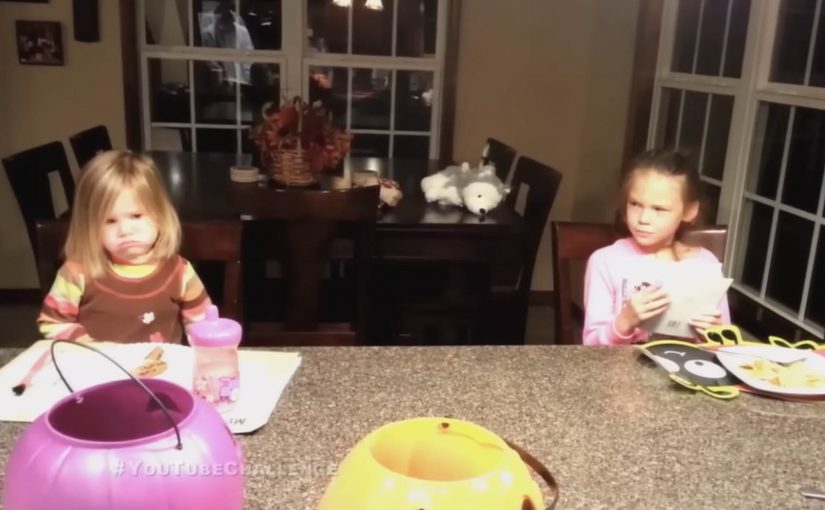
For the third consecutive year, talk show host Jimmy Kimmel challenges the parents of America to prank their kids and pretend that they ate all of their Halloween candy.

As always, parents oblige by the hundreds, and the results of this year’s Halloween Candy YouTube Challenge are compiled into a best-of reel.

A prank designed for mass participation

The mechanism is almost nothing. One line delivered at the worst possible moment, with a camera rolling. The show prompts the setup, parents run it at home, and YouTube becomes the route for collecting clips at scale.

That works because the prompt is so simple that families can recreate it instantly, while the show keeps editorial control by curating the best reactions into one polished reel.

In US pop-culture marketing, repeatable audience-participation formats win because they are easy to copy and still feel personal every time.

The real question is how a one-line prank becomes a yearly entertainment asset people keep recreating for free.

Why this lands

This is a smart participation format, not just a late-night gag. The emotions are instant and unedited. You get a mix of outrage, heartbreak, negotiation, and unexpected maturity, and that variety keeps the compilation watchable. It also feels like a yearly ritual, which helps the segment spread even among people who do not watch the show regularly.

Extractable takeaway: If you want repeatable virality, give people a one-sentence script, a clear capture instruction, and a predictable calendar moment, then let the audience supply infinite variation.

The previous challenge videos can be seen here: 2011 and 2012.

What repeatable participation marketers should steal

  • Make the prompt copyable. One sentence beats a complex brief.
  • Design for home production. If the content requires no special tools, submissions multiply.
  • Compile the chaos. A best-of edit turns scattered clips into a single shareable asset.
  • Repeat annually. Familiar format plus new reactions gives people a reason to come back each year.

A few fast answers before you act

What is the “I ate your Halloween candy” challenge?

Parents tell their kids they ate all the Halloween candy, film the reaction, and submit the clip for a compilation segment.

Why does this format keep working year after year?

The setup stays identical, but the reactions are endlessly different, which creates fresh entertainment without changing the mechanic.

What makes the compilation more shareable than single clips?

A best-of edit increases pace and variety, so viewers stay longer and are more likely to pass it on as a single link.

What is the core growth driver?

Low friction participation. One simple script, one simple recording, and a familiar upload behavior.

What should brands learn from this without copying the cruelty?

Use a repeatable prompt that invites audience variation, and build a clear “submit, then compile” distribution loop around it.