Burger King Burn that Ad

Burger King Burn that Ad

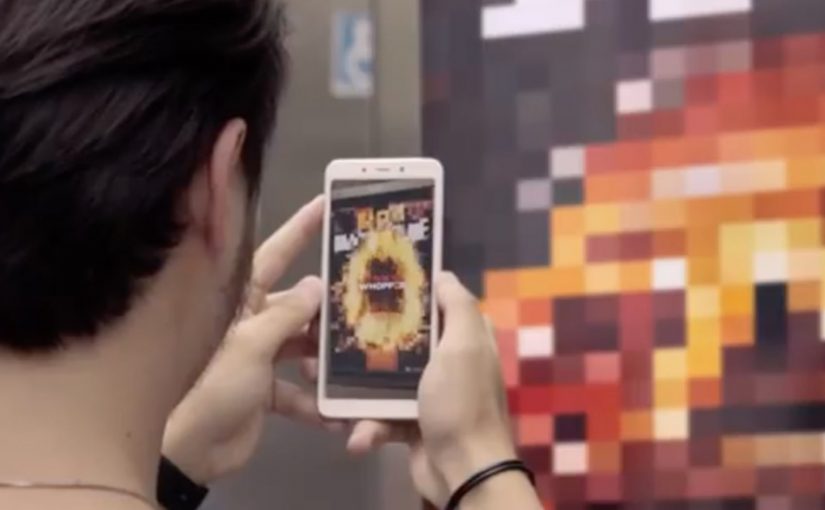
In Brazil, Burger King and ad agency David SP use augmented reality to “burn” competitors’ ads through consumers’ mobile phones. The reward is simple and immediate. Participate, and you earn a free Whopper.

Burger King expects to give away 500,000 Whoppers through the promotion, pushing more people to use Burger King Express, the service that lets customers pre-order food for pickup.

How “Burn that Ad” works

The mechanic turns rival advertising into a trigger. Here, the mechanic is one simple action that immediately returns a coupon reward. You point your phone at a competitor’s ad, the experience “burns” it in AR, and the payoff is a Whopper coupon. It is a direct, product-first incentive tied to a single action.

In quick-service restaurants, where choice is made in seconds, immediate incentives can shift behaviour faster than storytelling.

Why the reward is the strategy

This is not a brand-film play. It is a behavioural exchange. The AR effect is decoration. The engine is the immediate product reward tied to one action. The real question is whether your mechanic creates an immediate, low-friction exchange that makes a new behaviour worth trying. Because the reward is immediate and tied to one action, the AR burn becomes a conversion trigger rather than a gimmick. The customer does something specific in the moment, and Burger King pays them back with something they value immediately. That makes participation scalable beyond the novelty of AR.

Extractable takeaway: If you want people to adopt a new operational path, design a one-step exchange where the reward is immediate, tangible, and triggered by a single action.

The operational goal: Burger King Express

The giveaway is not only about footfall. It is designed to drive adoption of pre-order pickup via Burger King Express. The campaign builds a reason to try the service, not just the product.

What to steal

  • Make competitors the trigger: Turn a competitor’s presence into your acquisition trigger, without relying on complicated steps.
  • Keep it low-friction: Keep the action simple and the reward tangible.
  • Scale an operational behaviour: Link the incentive to an operational behaviour you want to scale, such as pickup pre-order adoption.

A few fast answers before you act

What is “Burn that Ad”?

A Burger King Brazil promotion that uses augmented reality to “burn” competitors’ ads on mobile phones and reward participants with a free Whopper.

What is the incentive?

A free Whopper, delivered via the promotion’s reward mechanic.

How many Whoppers does Burger King plan to give away?

500,000.

What is Burger King Express?

A Burger King service that lets customers pre-order food for pickup.

What business behaviour does it push beyond the giveaway?

Using Burger King Express to pre-order food for pickup.
Ford Smart Lane-Keeping Bed

Ford Smart Lane-Keeping Bed

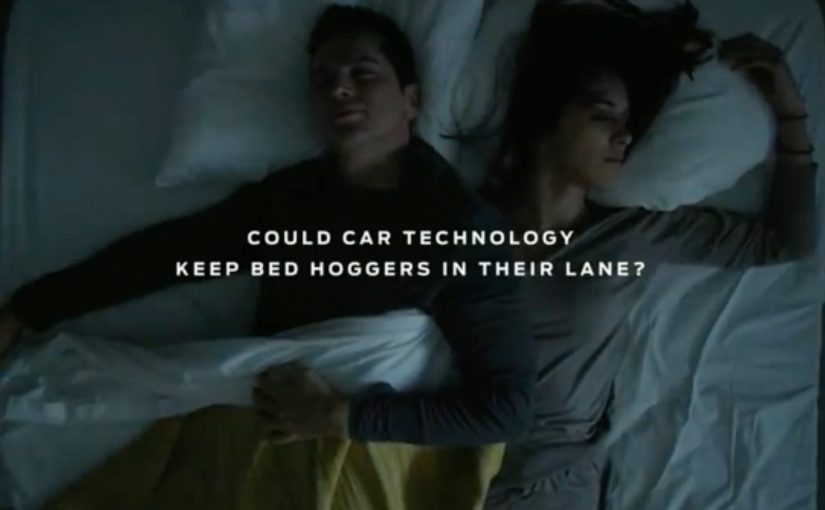
Ford Europe has unveiled a “Lane-Keeping Bed” that ensures partners always have equal amounts of sleeping space. The idea was inspired by the driver-assist technology that prevents unintentional drifting in new models like the 2019 Ford Ranger.

As demonstrated in the video below, pressure sensors detect when an active dreamer strays to the opposite side of the mattress and triggers an integrated conveyor belt that puts them back where they belong.

Like Ford’s noise-cancelling dog kennel, the Lane-Keeping Bed is only a prototype in the company’s “Interventions” series of innovations that extend beyond the car industry.

What makes this more than a gimmick

The best part of this idea is how clearly it translates a car behavior into a home behavior. Lane-keeping takes a drifting object and gently guides it back. Here, the drifting object is a person during sleep, and the “guidance” is a slow conveyor movement that restores the boundary without turning the moment into a fight. That matters because it turns a familiar assistive correction into a domestic fix people can understand in seconds.

Why it works as a brand signal

Ford’s “Interventions” framing matters. It positions the company’s tech capabilities as transferable. Sensors, assistive correction, and comfort innovations are not locked inside vehicles. They can show up wherever people experience everyday friction.

Extractable takeaway: When a product behavior is hard to explain in its native category, move it into a familiar everyday setting where the tension is obvious and the benefit can be seen instantly.

In consumer brands, the fastest way to make a technical capability stick is often to place it inside an everyday tension people already recognize.

The real question is whether a brand can make an assistive technology feel useful, human, and memorable outside its core category.

This works because Ford is not pretending to sell beds. It is using the prototype to make its driver-assist logic easier to notice, remember, and talk about.

What to borrow if you build products or campaigns

  • Start from a real tension. Mattress hogs are a universal problem, and the benefit is instantly understood.
  • Make the mechanism visible. Pressure sensors plus a moving belt is easy to demonstrate, so the story travels.
  • Prototype to communicate capability. Even if it never ships, it can reframe what your brand is “good at”.

A few fast answers before you act

What is Ford’s Lane-Keeping Bed?

It is a prototype bed concept that uses pressure sensors and an integrated conveyor belt to move a drifting sleeper back to their side of the mattress.

What inspired the idea?

It was inspired by Ford’s driver-assist technology that helps prevent unintentional drifting in vehicles like the 2019 Ford Ranger.

How does it detect someone moving across the bed?

Pressure sensors detect when a sleeper strays to the other side, then trigger the conveyor belt response.

Is this a real product for sale?

No. It is presented as a prototype within Ford’s “Interventions” series, which explores ideas beyond the car industry.

What is the main takeaway?

Take a capability you already own. Translate it into a different everyday context where the tension is obvious and the benefit is immediate.

Samsung Future Vision

Samsung Future Vision

With Samsung set to unveil its first foldable smartphone on February 20th, a leaked vision video from Samsung Vietnam shows what consumers can look forward to in the years to come. A “vision video” here is a concept film, not a product demo.

What the vision video signals

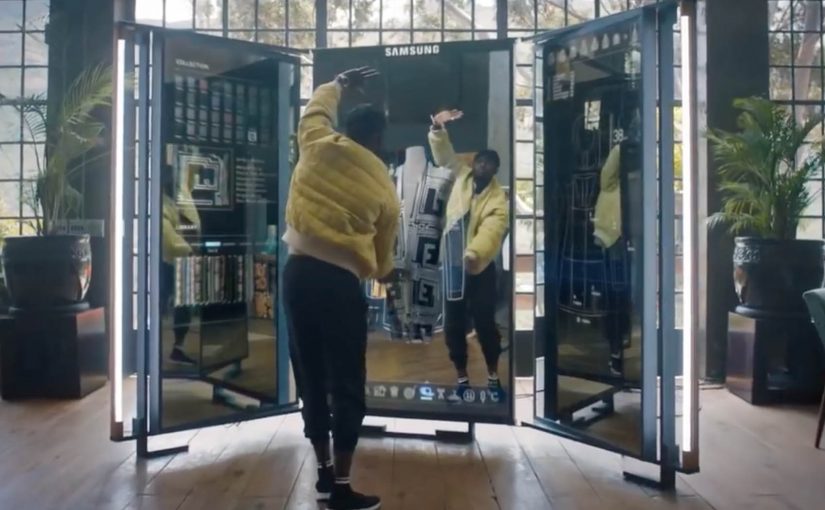
Instead of focusing on a single device, the video frames “the future” as a stack of interaction surfaces and form factors. Foldable hardware. Edge-to-edge screens. Embedded displays. AR mirrors. Even a tattoo robot concept.

In global consumer electronics markets, concept films like this often shape expectations months or years before specific devices arrive.

Why these concept videos matter

Vision films are not product announcements. They are expectation-setting. They help a brand define the problem space it wants to own, long before specs and release dates take over the conversation. By packaging multiple surfaces into one coherent story, they can make an R&D direction feel inevitable, which is why they influence perception long before product details are concrete.

Extractable takeaway: Treat a concept video as narrative intent. Use it to understand what experience territory the brand wants to claim, then ignore the props and timelines.

What to take from it

The real question is whether the film signals a coherent interaction direction, or just a collage of “future tech” moments.

Concept videos are worth watching as signals of narrative intent, not as a product roadmap.

  • Form factor is strategy. Foldable and bezel-less ideas point to how attention, portability, and screen utility evolve.
  • Displays escape the phone. Embedded displays and mirrors suggest ambient surfaces become part of the experience.
  • Brand narrative stays consistent. The “Do What You Can’t” framing positions experimentation as identity, not a one-off stunt.

A few fast answers before you act

What is “Samsung Future Vision” here?

“Samsung Future Vision” refers to a leaked Samsung Vietnam concept video released ahead of Samsung’s foldable smartphone unveiling on February 20th.

Is this a product announcement?

No. A vision video is a concept film that frames a direction and a problem space. It is not a specification sheet, launch plan, or confirmed product lineup.

What themes does the video tease?

Foldable devices, edge-to-edge screens, embedded displays, AR mirrors, and a tattoo robot concept.

What should you ignore when watching concept films like this?

Ignore implied timelines and literal props. Focus on the recurring interaction surfaces, the form factors, and what the film suggests the brand wants to normalize.

What is the main takeaway?

The future story is bigger than one phone. It is about how screens, surfaces, and interactions expand into daily life.