Pepsi Refresh: Monthly Grants for Ideas

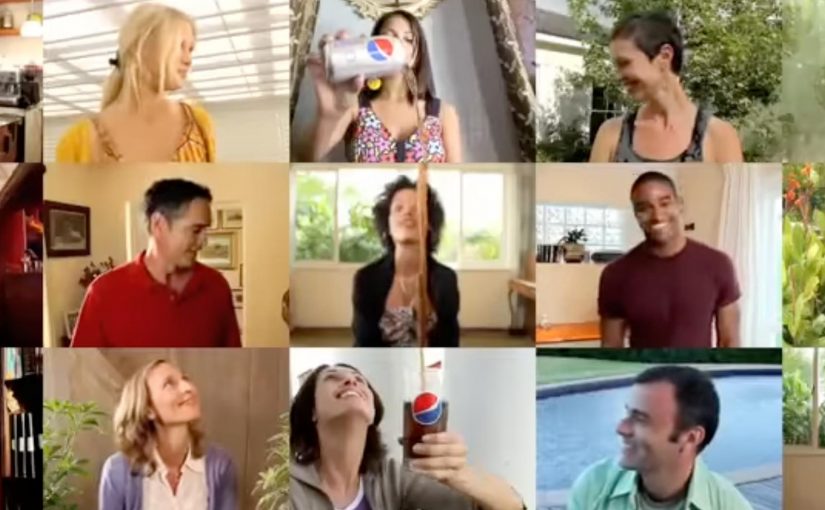
Pepsi wants to make the world a better place and so it has up to $1.3 million in Refresh grants to give out every month, ranging from $5,000 through to $250,000.

The social investment campaign can be seen online at www.refresheverything.com, and is being presented as Pepsi’s alternative to spending on television advertising at the Super Bowl this year.

From January 13, US residents can submit an idea online, choosing categories of health, arts and culture, food and shelter, the planet, neighborhoods, and education.

From February 1, 2010, visitors to the site will be able to vote on ideas, with the first 32 awards being announced on March 1.

The clever part is the trade

The headline here is not just the money. It is the positioning. Pepsi is framing this as an alternative to a single high-cost burst of attention, and shifting that investment into a participatory program where people submit, rally support, and vote.

Why this format can generate momentum

  • A clear incentive. Monthly grants create repeated urgency, not a one-off moment.
  • Built-in categories. Health, arts, food and shelter, the planet, neighborhoods, and education make participation easy to understand.
  • Voting creates distribution. If your idea needs votes, you recruit your network. That recruitment becomes the media.

In large-scale brand purpose programs, participation grows when funding, voting, and sharing are designed as a repeatable cycle rather than a one-off moment.

What to watch if you run campaigns like this

  1. Transparency. People will want to understand how ideas are evaluated and funded.
  2. Participation fatigue. Monthly cycles help, but the experience has to stay simple to repeat.
  3. Proof of impact. The long-term credibility comes from showing what the funded ideas actually achieved.

A few fast answers before you act

What is the Pepsi Refresh Project?

It is a social investment program where Pepsi offers monthly “Refresh grants” and invites people to submit community ideas and rally votes to get them funded.

How much funding is available?

Up to $1.3 million in grants per month, with awards ranging from $5,000 to $250,000.

When can people submit and vote?

From January 13, US residents can submit ideas. From February 1, 2010, visitors can vote, with the first 32 awards announced on March 1.

What categories can ideas be submitted under?

Health, arts and culture, food and shelter, the planet, neighborhoods, and education.

What is the strategic alternative being positioned here?

Pepsi is presenting the program as an alternative to spending on television advertising during the Super Bowl, shifting that spend into a participatory grant platform.
Starbucks love project

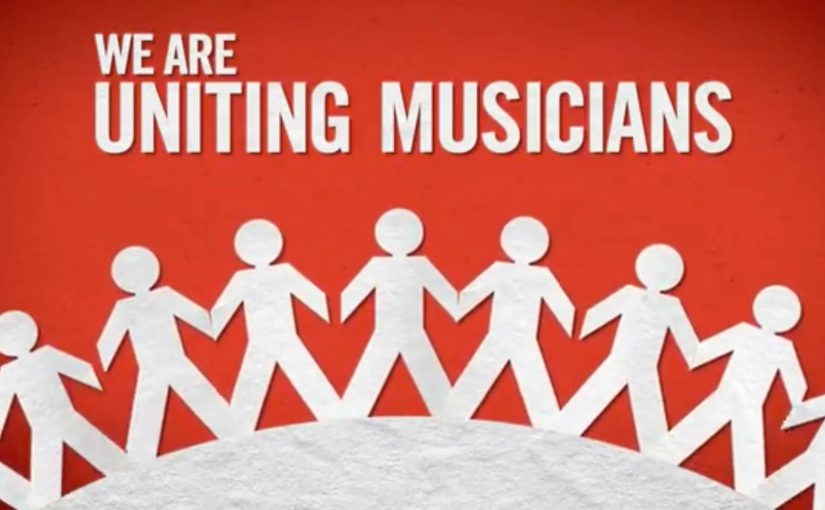
At exactly 8:30 a.m. ET on Monday, December 7th, Starbucks joined forces with (RED) and creative agency BBDO to coordinate a global sing-along. Musicians worldwide performed The Beatles classic “All You Need Is Love” at the same moment, positioning the Love Project as a proof point for how connected the world is and how a small decision by one person can make a grand difference elsewhere.

The performances was broadcasted live via the internet from far reaches such as Gabon and Fiji, with participation spanning over 100 countries. The initiative raised money and reinforced awareness for Africa’s fight against AIDS, while giving people a clear way to take part in the solution.

The campaign. A global moment that lives online

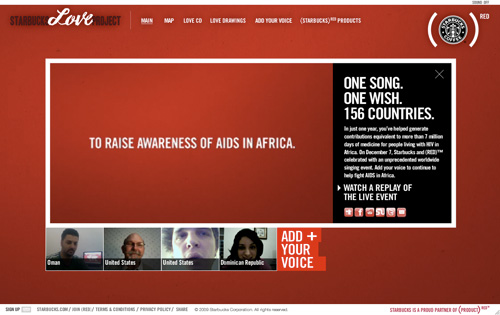
The performance was streamed live online at starbucksloveproject.com and acted as the anchor moment.

Homepage of starbucksloveproject.com

After the live sing-along, people continued the campaign by going to the Starbucks website and uploading their own:

  • versions of “All You Need Is Love” videos
  • love drawing sketches

Each uploaded performance generated a donation from Starbucks to the cause, supporting (RED) and the Global Fund’s work.

The distribution layer. Partnering with Facebook

Starbucks partnered with Facebook to spread the message through the social network. The campaign was positioned as the largest global campaign ever for both Facebook and Starbucks.

The commercial layer. Turning participation into a product

The song was also commercially sold in stores on Starbucks’ Love CD, extending the fundraising and awareness beyond the live moment and the online uploads.

The scale signal. A record for global participation

A Guinness World Record was set for the “Most Nations in an Online Sing-Along,” reinforcing the Love Project as a massive organizational task that reaped the benefits of integrated marketing.


A few fast answers before you act

What is the Starbucks Love Project?
A global sing-along campaign with (RED), coordinated with BBDO, anchored by a simultaneous performance of “All You Need Is Love.”

How big is it?
It spans over 100 countries, with performances broadcast live online from locations including Gabon and Fiji.

How does participation continue after the live event?
People upload their own “All You Need Is Love” videos and love drawing sketches on Starbucks’ website.

How does it drive donation impact?
Each uploaded performance generates a donation from Starbucks to the cause, supporting (RED) and the Global Fund.

What role does Facebook play?
Facebook is the distribution partner used to spread the message and participation at global scale.

What else extends the campaign beyond the moment?
The song is commercially sold on Starbucks’ Love CD in stores.

Opticana Eyewear’s $500 Campaign

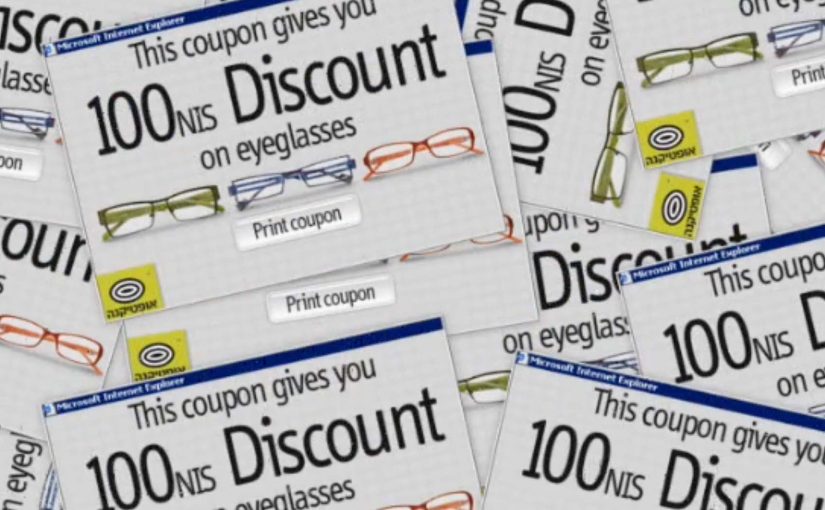
You see an online coupon that reads “100 NIS Discount on eyeglasses” with a single call-to-action. “Print coupon”. It is simple, direct, and designed to convert immediately.

The campaign in one line

Here is a $500 campaign done by Mccann Erickson Israel for Opticana Eyewear.

Why the “print coupon” mechanic works

The offer is obvious, the action is frictionless, and the value is tangible. A low-budget campaign does not need complex storytelling when the conversion path is clear and the incentive is strong enough to move people from screen to store.

What this teaches about small-budget marketing

When budget is constrained, clarity becomes the creative advantage. A single strong offer, a single next step, and a design that makes the benefit impossible to miss can outperform “bigger” ideas that ask too much of the audience.


A few fast answers before you act

What is the core idea of this $500 Opticana campaign?

A printable discount coupon that is easy to understand and easy to act on.

Why does a printable coupon still matter in retail?

It bridges online intent to offline purchase. It gives the customer a reason to visit, and it gives the store a clear redemption trigger.

What makes a low-budget campaign feel “smart” instead of “cheap”?

One clear promise, one clear action, and a design that prioritises the benefit over decoration.

What should you measure on an offer like this?

Prints, redemptions, and incremental sales during the offer window. If possible, track coupon code usage to separate organic uplift from campaign-driven traffic.