On December 24th the flight from Barcelona to Las Palmas arrived close to midnight. 190 people were flying while everyone else celebrated Christmas Eve. Spanair decided to do something special for those 190 passengers.
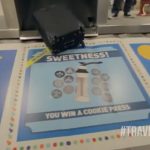
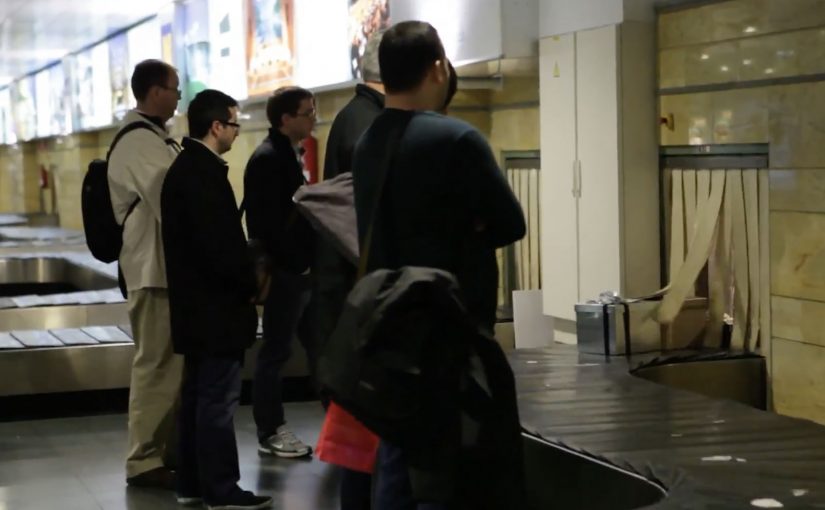
Instead of a routine wait at baggage claim, the luggage carousel delivered an unexpected sight. Wrapped gifts came down the belt before the suitcases did, turning a tired, end-of-day moment into a shared surprise.
How the baggage-claim surprise is engineered
The mechanic is as physical as it gets. Move the brand moment to the one place every passenger must stand still. Then use the carousel as the reveal device, with gifts replacing the expected flow of bags long enough for the crowd to realize something has changed.
In European airline marketing, the most memorable “service stories” are often built from small interventions in unavoidable touchpoints, where emotion is already high and attention is captive.
Why it lands
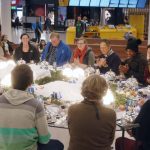
It respects the situation. Christmas Eve travel is already loaded with absence, fatigue, and sacrifice. The surprise works because it does not ask passengers to do anything new. It simply changes what the moment means, and it does so in front of everyone, so the reaction becomes collective rather than private.
Extractable takeaway: If you want a brand moment to feel generous rather than promotional, place it inside an unavoidable friction point, and make the reveal about relief and recognition, not about brand messaging.
What Spanair is really buying
This is “customer experience” as media. The spend is focused on a small number of people, but the output is a story that travels because it is easy to retell and easy to believe. A luggage belt of gifts is visual proof, not a claim.
The real question is how to turn a routine service touchpoint into proof that people will remember and retell.
What to steal for your own service brand
- Use captive moments. Baggage claim, check-in lines, boarding queues, and waiting rooms are attention-rich environments.
- Let the environment do the talking. When the space changes, you do not need much copy.
- Design for group emotion. Collective reactions create social permission to film, share, and talk.
- Make the proof unmistakable. If the story can be doubted, it will not travel far.
A few fast answers before you act
What is the core idea of Unexpected Luggage?
Surprise passengers at baggage claim by swapping the expected luggage moment for a gift reveal, turning a routine wait into a shared holiday experience.
Why does baggage claim work so well as a stage?
Everyone must be there, everyone is watching the same thing, and the carousel is already a natural reveal device. That makes the surprise instantly legible.
What makes this feel authentic instead of gimmicky?
The gesture fits the context. It acknowledges what it means to travel on Christmas Eve and gives something back without requiring participation or performance from passengers.
What is the biggest risk when copying this approach?
If operations are not tight, the surprise turns into delay and frustration. The moment must feel like relief, not disruption.
Does this only work for airlines?
No. The same pattern can work in any service setting with a captive, shared wait, as long as the intervention fits the moment and does not create extra friction.