BMW Films has teamed up with Academy Award nominated director Neill Blomkamp (“District 9,” “Elysium”) to create an action-packed short film to promote the new upcoming 2017 BMW 5 Series.
The story centers around a young girl simply named “Five”, played by Dakota Fanning, who is the subject of seemingly illegal experiments.
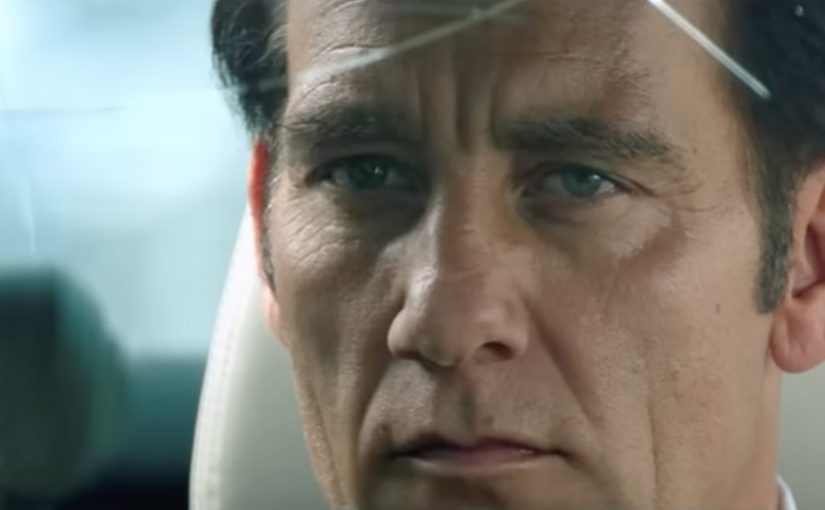
With the FBI cracking down on the company responsible for such experiments, Oscar nominated actor Clive Owen plays the nameless transporter who is hired to get Five out of there. The action ensues.
Why BMW Films still works as a launch format
This is not a product demo dressed up as content. It is content where the product belongs naturally. The car is not the “message”. It is the tool that makes the story credible.
Extractable takeaway: Branded entertainment only pays off when the product is structurally necessary to the story, because that necessity makes the brand presence feel earned.
Here, “branded entertainment” means a film that works as entertainment even if you are not shopping, with the brand woven into the premise instead of appended as a pitch. Because the car drives the plot, the attention feels earned and people share it as a short film, not a launch asset.
- Talent creates attention. Director and cast set a quality bar that feels like entertainment, not advertising.
- The vehicle role is functional. Driving, control, and decision-making are essential to the plot.
- Shareability comes from story. People pass it on because it is a short film worth watching, even without shopping intent.
In global high-consideration launches, long-form story formats work when they make the product feel necessary before anyone compares specs.
The brand job: make the new 5 Series feel inevitable
When a film like this lands, it does two things at once. It signals confidence and it frames the new model in an emotional territory that spec sheets cannot reach. Capability, composure, speed, control.
The real question is whether your launch format makes the product feel inevitable, not merely visible.
The benefit is not that viewers remember a feature. The benefit is that they remember a feeling, and they connect that feeling to the 5 Series before they ever step into a showroom.
What to take from this if you are launching something complex
- Earn attention with craft. If you want people to choose long-form, it needs to deserve their time.
- Give the product a role, not a cameo. If it does not matter to the plot, it will feel bolted on.
- Let story carry the distribution. The strongest paid media is the one you do not need because people share it anyway.
- Build a universe, not a one-off. Formats like BMW Films work best when audiences expect the next chapter.
A few fast answers before you act
What is “BMW Films: The Escape”?
It is a branded short action film created to promote the upcoming 2017 BMW 5 Series, directed by Neill Blomkamp and starring Clive Owen and Dakota Fanning.
Why use a short film instead of a classic launch ad?
Because story earns time and attention. It creates emotional association and premium perception that traditional product messaging often cannot deliver on its own.
What is the product role of the BMW 5 Series in this format?
The car functions as an essential tool in the narrative. It supports the transporter premise and makes the action feel credible, rather than serving as a standalone showcase.
What makes branded entertainment feel “credible”?
High production quality, real creative talent, and a story where the brand presence is natural and necessary, not forced.
What is the practical takeaway for launch teams?
If you want to use long-form content, design it as entertainment first, then embed the product so it belongs, and the attention will travel further.