
Antarctica: Beer Breathalyzer

Antarctica: Beer Breathalyzer

Drinks giant Ambev aims to reduce drinking and driving in Brazil. Together with agency AlmapBBDO, it brings a unique Antarctica beer “breathalyzer” activation into bars to show young adults how alcohol affects judgement.

A bar experience that turns a warning into a reveal

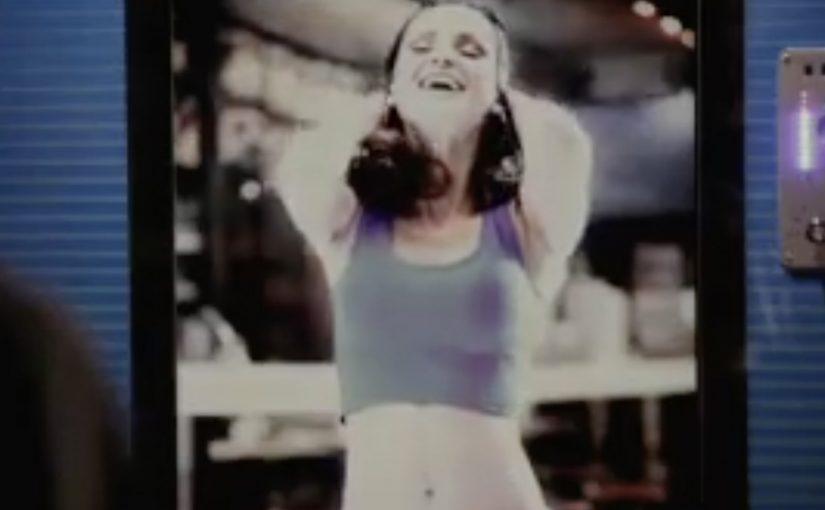
Video screens are placed in bars, and a friendly, normal-looking girl invites customers to take a breath test by breathing into the machine.

If the reading suggests they’re sober enough, the moment ends. If the machine detects alcohol, the on-screen character transforms into a gyrating, seductive “beauty” and the unit prints a discount voucher for a taxi company.

The mechanic: demonstrate impaired judgement, then offer the safer choice

The creative trick is to dramatize the very thing alcohol distorts: perception. By making the “wrong” reaction feel obviously wrong, the campaign turns a safety message into something people feel instantly, not something they are told to remember later.

The real question is how to interrupt the decision before someone leaves the bar thinking they are still fine to drive.

In nightlife contexts, responsible-drinking work is strongest when the safer alternative is offered at the exact decision point.

Why it lands: it replaces lecturing with a moment of self-recognition

Most anti-drink-driving communication relies on fear or shame. This execution uses surprise and self-awareness, then nudges the next best action without moralizing.

Extractable takeaway: For high-friction behavior change, pair a fast “mirror moment” (show me I’m not fit to decide) with an immediate off-ramp (make the safer option easy, discounted, and right there).

What to steal for your own safety or responsibility campaign

  • Put the intervention where the decision happens: bars, venues, exits, car parks, pickup points.
  • Make the insight experiential: one surprising reveal beats ten lines of copy.
  • Offer the alternative instantly: the voucher is the conversion mechanism, not a side benefit.
  • Keep the interaction short: fast participation increases uptake and social watching.
  • Design for talk value: if people describe it easily, it spreads beyond the venue.

A few fast answers before you act

What is the Antarctica Breathalyzer activation?

It is a bar-installed breath test experience that uses an on-screen transformation to illustrate impaired judgement, then prints a discounted taxi voucher when alcohol is detected.

Why does a taxi voucher matter in this context?

Because it converts awareness into action. The campaign does not just warn you. It gives you a practical way to avoid driving right now.

What is the behavioral insight behind the “transformation”?

Alcohol can distort perception and decision-making. The exaggerated change on screen is a fast metaphor designed to make that distortion obvious and memorable.

What’s the biggest risk in copying this idea?

Tone. If the execution feels mocking, sexist, or unsafe, it can backfire. The experience needs to motivate safer choices without humiliating participants.

How do you measure success for this kind of activation?

Participation rate per venue, voucher redemption rate, uplift in taxi usage during activation windows, and any local incident or enforcement indicators you can ethically and legally access.
Erdinger: Drinking and Driving, the 0% Twist

Erdinger: Drinking and Driving, the 0% Twist

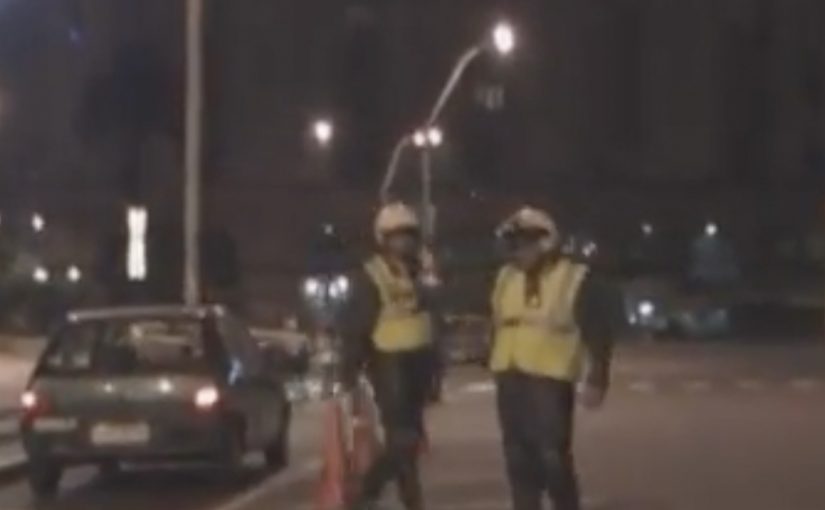
A car rolls through the city. A police stop follows. The officers lean in, looking for the usual “roadside donation” and the driver plays along, calmly offering a beer.

Then comes the punchline. The beer is positioned as 0% alcohol, so the “gotcha” is not that the driver outsmarts the law, it is that the product truth flips the entire situation into a clean reveal.

The prank is the plot, the product truth is the twist

This is staged like a short documentary. A mockumentary, meaning it borrows the signals of documentary realism to make a scripted idea feel “found” instead of “made.” The setting is described as a downtown South American city where traffic stops double as bribe fishing.

In consumer marketing, the fastest path to shareable attention is often a single product truth turned into a public situation people can retell.

How it works: build tension, then release it safely

The mechanism is simple and replicable:

  • High-stakes setup: alcohol control and a police stop.
  • Social friction: the uncomfortable “what will they do” moment.
  • Unexpected compliance: the product is positioned as 0%, so the driver is not “escaping,” he is “within the rules.”
  • Clean release: viewers get to laugh without carrying guilt, because the punchline is anchored in the product claim, not reckless behavior.

In regulated categories and global consumer marketing, this kind of “responsible twist” lets you stage tension without training the audience to celebrate harm.

The real question is whether your product truth can carry the punchline without turning the audience into accomplices.

Why it spreads: it gives viewers a story, not a slogan

People do not forward “great taste” claims. They forward a scene they can summarize in one line. “These guys offer beer at a breath test, and it is fine because it is 0%.” That is the whole viral unit. It also lands because the audience recognizes the broader trope of roadside authority and awkward power, then the brand resolves it with a disarming, responsible reframing.

Extractable takeaway: Build the retell first, then design the twist so it resolves on a defensible truth that gives the audience a guilt-free reason to share.

What the brand is really selling

The visible message is “0% alcohol.” The deeper intent is permission. This is the right move because it makes responsibility the payoff, not a disclaimer.

It positions the beer as a choice that fits social moments where you want the ritual, not the alcohol.

That matters because “non-alcoholic” is not only a functional attribute. It is a situational benefit: it lets the product show up in contexts where a normal beer is a bad idea.

Steal the 0% twist structure

  • Start from a product truth that can survive scrutiny, not a vague brand value.
  • Choose a situation with instant stakes so the first five seconds do the work.
  • Design a moral “safe landing” where the audience can enjoy the twist without endorsing harm.
  • Make the retell obvious by ensuring the story fits in one sentence.

A few fast answers before you act

Is this encouraging drunk driving?

No. The joke is engineered to resolve on “0% alcohol,” so the brand can claim compliance rather than celebrate recklessness.

What is the core creative mechanic here?

It converts a product attribute into a plot device. The “0%” is not a line at the end, it is the hinge that changes what the scene means.

Why does the documentary style matter?

Mock-documentary cues create believability quickly. Viewers process it as “something that happened,” which increases watch-through and sharing.

What makes the idea portable to other categories?

The structure is generic: tension, social friction, twist, relief. Any brand with a defensible “safety” or “permission” truth can map onto that arc.

What is the biggest risk when copying this approach?

If the “safe landing” is weak, the audience reads it as promoting harmful behavior. The twist must clearly reframe the situation as responsible, not as a workaround.