
Coca-Cola: Give a Coke, Be Santa

Coca-Cola: Give a Coke, Be Santa

A vending machine that asked you to choose who you are

The strongest holiday ideas turn seasonal sentiment into a simple action people can take in public. Coca-Cola’s holiday vending machine is a clean example of that move.

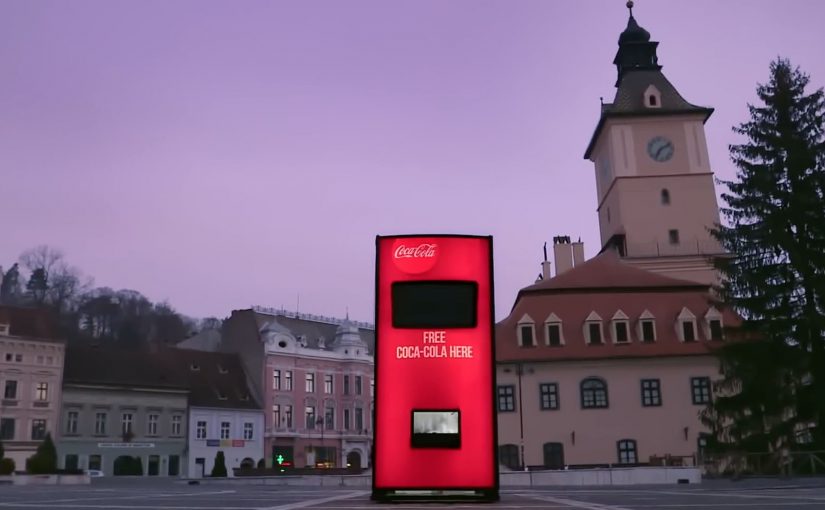
Coca-Cola wanted to bring out the Santa in everyone. So for the 2013 holiday season, they created a special vending machine that prompted users to either get a free Coke or give a free Coke.

The two-button mechanic that made sharing the story

If the user chose a free Coke, the machine quickly dispensed the drink for the user to enjoy.

However, if the user decided to share, then the machine did something a little more special. Watch the video below to find out.

In high-traffic FMCG retail settings, a binary choice lets a brand value show up as behavior in seconds.

Why “give” feels better than “get” in December

The psychology here is straightforward. A free product is nice, but it is forgettable. A choice that reflects identity is sticky.

Extractable takeaway: If you want a value like generosity to travel, put it into a visible choice where the “better self” option is easy to pick and easy to witness.

By putting “give” and “get” side by side, the machine turns a small decision into a moment of self-image and social proof, meaning other people can see the choice and validate it. During the holidays, people want to see themselves as generous, and they want to be seen that way by others.

The business intent behind bringing out the Santa

The intent is not simply distribution.

The real question is whether your brand promise can be expressed as a choice people are proud to make in public.

This is a stronger holiday move than a message-only campaign because it makes the value legible and repeatable at the point of interaction.

Coca-Cola uses the vending machine to translate a brand promise into behavior. The brand is associated with warmth and sharing because the consumer enacts it, not because the brand claims it.

How to reuse this give-or-get choice design

  • Turn values into a choice. Make the brand idea something people can do, not just hear.
  • Reward the “better” behavior. If sharing is the story, make sharing the more memorable path.
  • Keep the interaction instantly legible. Two clear options beat complex instructions in public spaces.
  • Design for a public moment. When others can witness the decision, the story travels faster.

A few fast answers before you act

What did Coca-Cola build for the 2013 holiday season?

A special vending machine that offered users a choice: take a free Coke or give a free Coke.

What was the core mechanism?

A simple two-option prompt. Choosing “get” dispensed a Coke immediately. Choosing “give” triggered a more special outcome.

Why does the “give” option matter so much?

Because it turns a freebie into an identity moment. People remember what they chose, and others can witness it.

What business goal did this support?

Making Coca-Cola’s holiday positioning feel real by linking the brand to a visible act of sharing, not just a message about sharing.

What is the main takeaway for brands?

If you want to own a value like generosity, design an interaction where people can demonstrate that value in the moment.
Coca-Cola: Happiness Truck

Coca-Cola: Happiness Truck

Happiness Machine, now with a Rio beach twist

Coca-Cola, whose Happiness Machine video was described as a runaway hit for the brand last year with 3 million views, is back with a sequel that offers more of an international flavor.

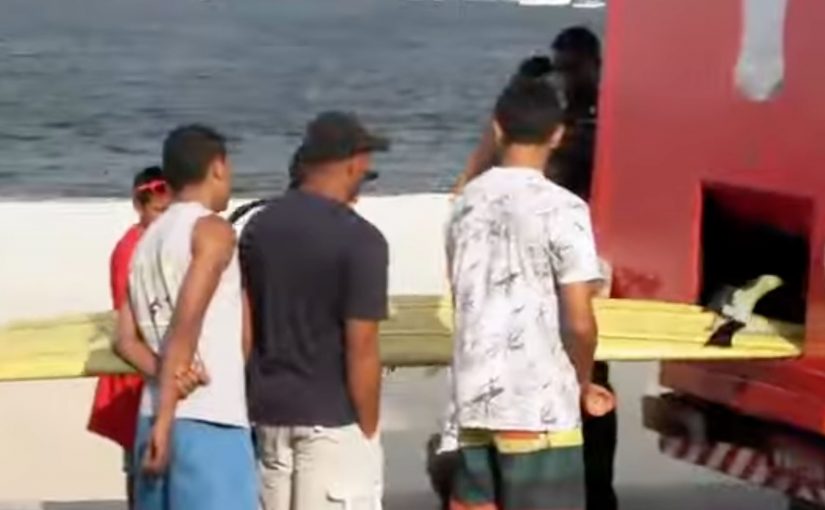
“Happiness Truck” takes place in Rio de Janeiro and is a twist on the original idea, which showed a Coke machine that spit out free Cokes, flowers, balloon animals, pizza and submarine sandwich at a college cafeteria. This time around, a special truck dispenses free Cokes as well as a beach toy, a surfboard, sunglasses, beach chairs, t-shirts and soccer balls.

The mechanic: one button, a public reward loop

The idea is almost embarrassingly simple. Put a big, inviting “PUSH” button on a branded truck. Let passersby trigger it. Then over-deliver on what comes out. Drinks first, then gifts that match the location and mood. Here, “public reward loop” means one person triggers the moment, everyone sees the payoff, and the crowd reaction invites the next press.

The Coca-Cola Happiness Truck is an experiential marketing activation where a branded truck dispenses free drinks and beach items to people who press a large button, turning a giveaway into a shared street moment.

In global FMCG marketing, these activations work best when the surprise is immediate, the moment is public, and the brand behavior feels generous rather than promotional.

Why it lands: the brand promise becomes observable

People do not need to be convinced by copy. They watch someone press a button and receive something real. The real question is whether bystanders can understand the payoff without explanation. The crowd reaction provides social proof, and the escalating gifts create a mini narrative that keeps people watching. The Rio-specific items, surfboards, beach chairs, sunglasses, make the generosity feel locally tuned, not copy-pasted from the first film. Because the trigger is public and the payoff is instant, the activation creates social proof without explanation.

Extractable takeaway: If the audience can see the action and the reward at a glance, you earn belief through visible behavior, not through messaging.

The business intent behind the “international sequel”

This is a sequel strategy that scales a successful format while refreshing the setting. It keeps the core concept intact. Surprise rewards from a familiar Coca-Cola object. and broadens it into a global “where will happiness strike next” platform.

It also turns brand warmth into a repeatable content engine. Each location can add its own culturally legible gifts, which gives the series room to travel without changing the structure.

Steal this street-activation pattern

This is worth copying when you can make the trigger obvious and the payoff immediate in public.

  • Make the trigger obvious. One button beats instructions.
  • Design escalation. Start with the expected reward, then add unexpected layers to hold attention.
  • Localize the gifts. Choose items that instantly signal place and mood.
  • Capture the crowd, not just the hero. The bystanders are the credibility layer and the amplification engine.

A few fast answers before you act

What is Coca-Cola’s Happiness Truck?

It is a street activation in Rio de Janeiro where a branded truck dispenses free Coca-Cola and beach-themed gifts to passersby who press a large “PUSH” button.

How is it related to the Happiness Machine?

It is described as a sequel that keeps the same surprise-generosity structure, but moves it from a cafeteria vending machine to a public street setting.

What is the core mechanic, step by step?

A public trigger creates a clear moment of action. An immediate reward lands first. Then the activation escalates with location-fit gifts, and filmed reactions provide the proof and the content.

Why does the push-button format work so well?

It removes friction and makes the story instantly legible. One simple action creates a visible payoff, so bystanders understand it immediately and social proof builds on the spot.

Why does localization matter in this execution?

The Rio-specific items make the generosity feel tuned to the place and mood, not copy-pasted. That detail makes the sequel feel fresh while keeping the structure familiar.

What business intent is this kind of activation serving?

It turns a brand promise into observable behavior and a repeatable content format. The same structure can travel to new locations without changing the concept.