Desperados: YouTube Takeover

A takeover that pulls social identity into the video

In digital video marketing, the most ambitious takeovers do not just run before content. They try to become the experience people came for. Here, a “takeover” is an interactive branded viewing layer, not just a pre-roll slot. Desperados’ execution is a clean example of that intent.

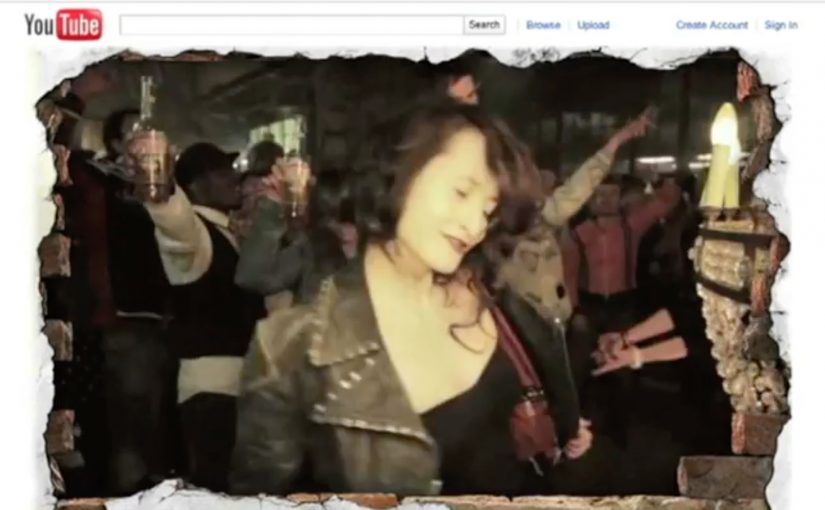
Here is a pretty cool and ambitious YouTube takeover. It is one of the first ones I have seen that also integrates the Facebook Connect functionality as part of the experience.

How Desperados built the takeover experience

The YouTube campaign was created by Dufresne Corrigan Scarlett and MediaMonks for beer brand Desperados.

The takeover let you interact with the story as it unfolded and also let you bring your Facebook friends into the party by pulling in photos on the fly.

In European FMCG video marketing, social identity layers only earn their keep when they turn an ad unit into a shared moment.

Why bringing friends into the story changes attention

Standard video asks for passive watching. This approach creates viewer control and personal stakes because pulling in familiar faces turns a generic narrative into social self-recognition. The real question is whether your experience can borrow the viewer’s social world without making the login step feel like the main event.

Extractable takeaway: If you can make the story reflect the viewer’s real relationships, attention stops being rented and starts being owned, which makes staying and sharing feel functional rather than promotional.

The business intent behind the social layer

The intent is to move beyond reach and toward participation.

By using Facebook Connect and on-the-fly photos, the campaign tried to turn viewers into co-owners of the experience. That increases time spent, lifts recall, and creates a natural reason to invite others, because the party becomes better when your people are in it. Brands should add this kind of social layer only when it materially changes what the viewer sees and does next, otherwise the friction is wasted.

Steal the pattern for social-identity takeovers

  • Make interaction serve the story. Viewer control works when it changes what happens next, not when it is a gimmick.
  • Personalization is strongest when it is social. Pulling in friends can create instant relevance and emotion.
  • Design the invite loop into the experience. If friends improve the outcome, sharing becomes functional, not promotional.
  • Choose the platform feature that matches the idea. When identity is the hook, social login becomes a creative tool.

To experience it yourself visit: www.youtube.com/desperados.


A few fast answers before you act

What was the Desperados YouTube takeover?

An interactive YouTube campaign that integrated Facebook Connect so viewers could bring friends’ photos into the unfolding story.

What was the core mechanism?

Viewer control within the takeover experience, paired with a social login layer that pulled in photos dynamically during playback.

Why does Facebook Connect matter in this context?

It makes the experience personal and social. When the content includes your friends, it feels more relevant and more worth sharing.

What business goal did this support?

Increasing time spent and participation by turning a brand film into an experience that feels co-created and socially expandable.

What is the main takeaway for brands?

If you want people to stay and share, give them control and a way to bring their world into the story.
Fits.me: Virtual Fitting Room

One of the main problems with buying clothes online is simple. You cannot feel the fit. So you guess, the parcel arrives, and the return loop starts again.

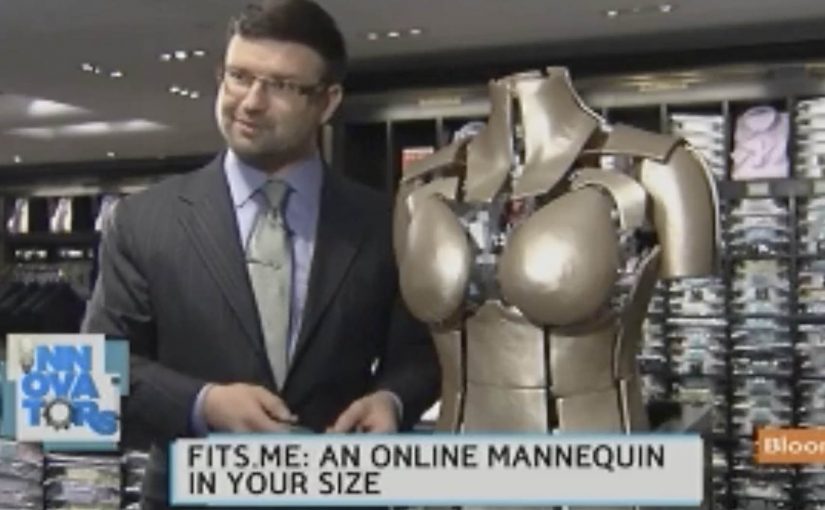
Fits.me, an Estonian company, builds a Virtual Fitting Room around a shape-shifting robotic mannequin. Instead of trying to “predict” fit with a size chart, the mannequin physically changes form to match your body dimensions, letting you preview how different sizes sit on a body shaped like yours.

A mannequin that changes shape so the garment can do the explaining

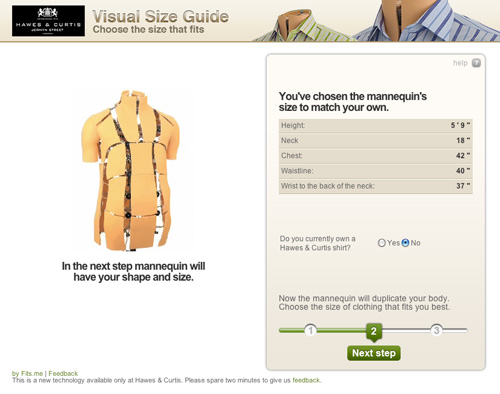
The mechanism is a robotic mannequin, often referred to as a FitBot, a shape-adjustable mannequin that can be tuned across a wide range of body measurements. Clothing is photographed on the mannequin in multiple sizes, and the shopper can compare how the same item behaves as size changes, on a body that resembles their own. Because the garment is shown on the same body shape across sizes, the comparison makes fit differences visible and reduces guesswork.

A robotic mannequin providing a Visual Size Guide.

In online apparel retail, fit uncertainty drives returns and suppresses conversion, so anything that reduces sizing doubt tends to outperform its surface-level novelty.

Why this approach feels more “real” than a size chart

What makes it persuasive is that it turns sizing into a visual comparison instead of a number. The real question is whether you can help a shopper see the trade-offs between sizes before checkout, without asking them to trust a black-box recommendation. If you have that problem, this is the right pattern to use. You are not being told “you are a Medium.” You are shown what Small, Medium, and Large look like on a similar shape, which is closer to the in-store decision process.

Extractable takeaway: When a purchase decision depends on a physical sensation you cannot deliver online, replace the missing sensation with a repeatable visual proof that helps shoppers compare options, not just read recommendations.

What the rollout says about where the pain is

At the time, the system is positioned around a male mannequin first, with Fits.me saying it is planning to unveil a female version in November. That sequencing is a reminder that “who we can fit well” is often a product constraint, not a marketing choice, especially when the technology depends on physical ranges and repeatable photography.

For more information visit www.fits.me.

What to steal from Fits.me’s FitBot

  • Make fit a comparison, not a verdict. Let shoppers see multiple sizes side by side on a body-like reference instead of outputting a single “recommended” size.
  • Design for confidence, then measure it. Track size changes after viewing, conversion on fitted items, and return-rate shifts by category.
  • Respect constraint sequencing. If the system only fits certain body ranges well at first, be explicit about where it is reliable and expand the range as the asset library grows.

A few fast answers before you act

What is a “Virtual Fitting Room” in this Fits.me context?

It is a system that uses a shape-adjustable robotic mannequin to model how garments look across sizes on a body shaped to match the shopper’s measurements, so shoppers can compare fit visually before buying.

Why does this reduce returns in theory?

Because it reduces guesswork. When shoppers can see how different sizes drape and sit, they are less likely to buy multiple sizes “just in case,” and less likely to be surprised when the item arrives.

What is the key difference versus typical size charts or recommendation widgets?

This approach is comparison-first. It shows a garment on a body-like reference across multiple sizes, rather than outputting a single recommended size and asking the shopper to trust it.

When does a visual fit tool like this not help much?

It helps most with size uncertainty, but it cannot fully replace tactile judgments like fabric feel or personal comfort preferences, so some returns will still be driven by “feel” rather than fit.

What should retailers measure if they deploy something like this?

Engagement with the fitting experience, size-selection changes after viewing, conversion lift on fitted products, and return-rate reduction by category and by first-time versus repeat shoppers.

Old Spice: The Social Response Campaign

One body wash campaign that owned the conversation

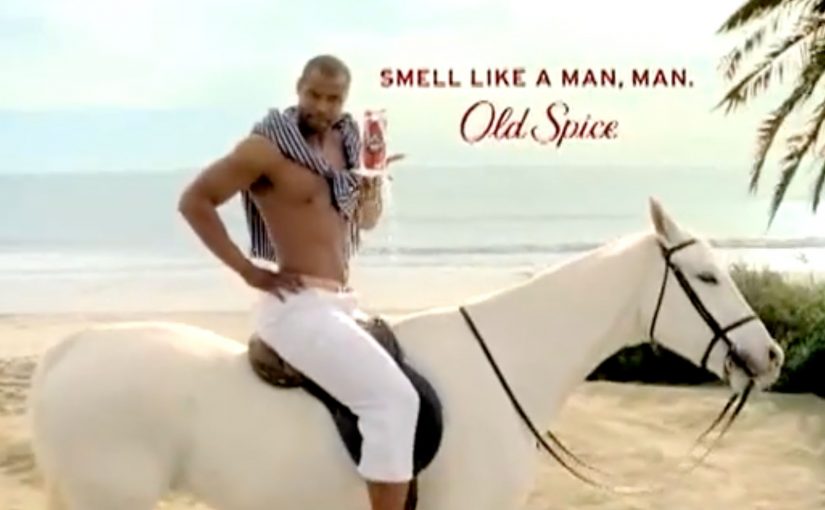
This Old Spice case study takes us through the insight around targeting men and women at the same time to generate conversation around body wash. When it launched, the campaign managed to capture 75% of all conversations in the category.

To continue the success, Old Spice & Wieden + Kennedy created the next level, where Mustafa, now a household hero, a character people recognized instantly, engaged with the fans directly. The response campaign consisted of around 180 customized videos which engaged the fans directly. Thus it became the best social campaign ever to have been created.

Here are some stats of the campaign.

  • On day 1 the campaign received almost 6 million views (that’s more than Obama’s victory speech)
  • On day 2 Old Spice had 8 of the 11 most popular videos online
  • On day 3 the campaign had reached over 20 million views
  • After the first week Old Spice had over 40 million views
  • The Old Spice Twitter following increased 2700% (probably off a lowish base)
  • Facebook fan interaction was up 800%
  • Oldspice.com website traffic was up 300%
  • The Old Spice YouTube channel became the all time most viewed channel (amazing)
  • The campaign has generated 1.4 billion impressions since launching the ads 6 months ago
  • The campaign increased sales by 27% over 6 months since launching (year on year)
  • In the last 3 months sales were up 55%
  • And in the last month sales were up 107% from the social responses campaign work
  • Old Spice is now the #1 body wash brand for men

And without further a-due. The best social campaign ever.

The real shift: from broadcast to back-and-forth

The original idea did something rare. It spoke to men and women at the same time. Then it did the smarter thing. It treated the public reaction as the next creative brief. 180 customized responses turn attention into participation.

Because the replies are both personal and public, each interaction creates a reason for more people to watch, share, and join in.

In FMCG categories where products are similar, a brand character plus high-volume two-way interaction can turn attention into a defensible advantage.

The real question is whether you are willing to treat audience reaction as the next creative brief, not a comment thread to manage.

Why this still feels like a blueprint

Most campaigns stop when the film launches. This one starts there. When the character becomes a “household hero,” the brand gains a voice people want to talk to. Brands should treat the response layer, meaning the rapid stream of direct-to-person reply videos, as first-class creative, not post-launch community management.

Extractable takeaway: If a character and tone can scale, rapid, personalized public replies convert one-time views into repeat participation.

What the numbers are really doing here

The stats are not just bragging rights. They are proof that conversation can move the entire system. Views, follows, site traffic, impressions, and ultimately sales. All tied to a campaign designed to travel socially.

Old Spice’s response playbook you can borrow

  • Build for both sides of the purchase conversation. The user. And the influencer in their life.
  • Treat launch day as the start, not the finish line. Plan the response layer.
  • Create a character and tone that can scale. Dozens or hundreds of variations should still feel instantly recognizable.

A few fast answers before you act

What was the core insight in this Old Spice campaign?

Target men and women at the same time to generate conversation around body wash, then use that conversation to fuel the next wave of content.

What made the “response campaign” different?

Mustafa engaged fans directly through around 180 customized videos, turning audience attention into two-way interaction.

What results did the post claim?

The post cites rapid view growth over the first week, large jumps in social following and interaction, major traffic increases, and significant sales lifts over months.

What is the core mechanic behind the success?

A launch film that sparks broad conversation, followed by high-volume personalized responses that keep the conversation accelerating instead of fading.

What should you copy if you cannot produce 180 videos?

Copy the structure. Launch a character-led idea that invites replies, then publish a smaller set of fast, direct responses that keep the conversation moving.