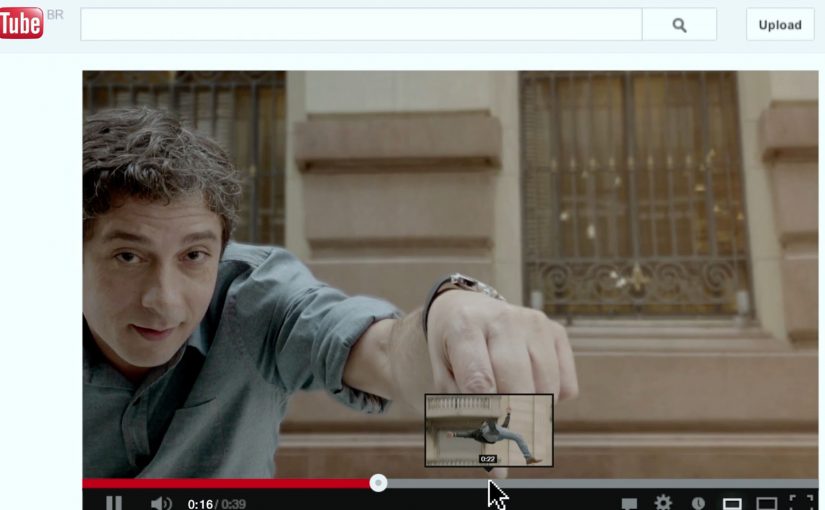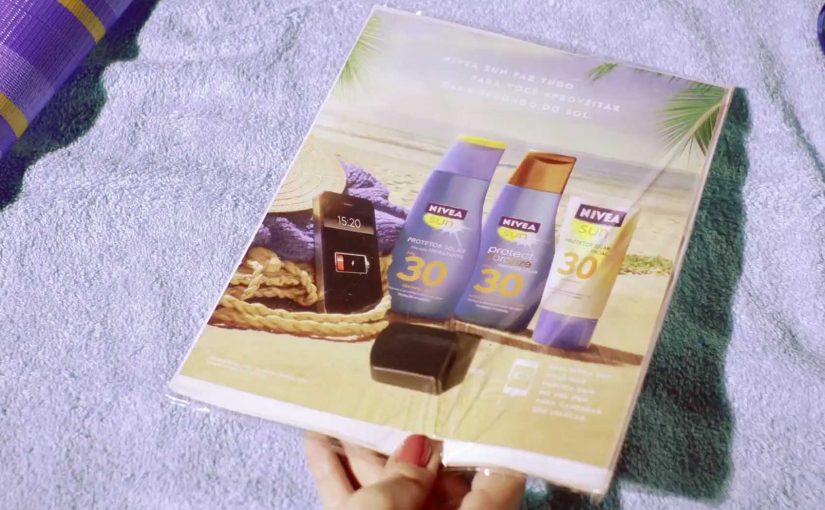
You are on the beach, your battery is dying, and the solution is sitting inside a magazine. NIVEA Sun and Draftfcb Brazil built a print ad insert with real solar panels and a USB port, so beachgoers could plug in and charge while staying in the sun.
The mechanism is the message. The ad is not “about” a product benefit. It behaves like one. Put it in sunlight, connect your phone, and it becomes a small piece of beach kit.
In consumer brand marketing, the most memorable activations turn a media placement into a useful object that fits a real moment of need.
The real question is whether you can make the medium do the job your copy normally tries to do.
This kind of utility-first work is worth copying because it earns attention by solving something small, fast, and real.
Everything in the context ties together cleanly. Sun. Beach. Sunscreen. Mobile phone. Solar charger. The usefulness makes the brand feel present without asking for attention, because the attention arrives naturally once the ad starts solving a problem.
When “print” becomes a product
This is a simple but important shift. The ad is no longer a container for persuasion. It is a container for utility. That makes the experience inherently shareable, because the story people retell is not “I saw an ad”. It is “I charged my phone with a magazine”.
Why this idea lands on a Brazilian beach
Beach time is long, bright, and social. It also creates a predictable friction point. Phones run out of battery, and leaving the spot to find power breaks the day. A solar-powered insert fits the environment and the behaviour, so the concept feels obvious in hindsight.
Extractable takeaway: When the environment already supplies the input, design the interaction so the payoff arrives with almost no explanation.
How to reuse the Solar Ad Charger pattern
- Start with a real constraint. Battery anxiety is a better brief than “increase awareness”.
- Let the medium carry the meaning. Solar charging in sunlight communicates the sun story instantly.
- Make the interaction self-explanatory. A USB port is a universal instruction set.
- Design for the “tellable moment”. A tellable moment is an interaction someone can retell in one sentence, without explaining the ad first.
A few fast answers before you act
What is the NIVEA Solar Ad Charger?
It is a magazine ad insert created for NIVEA Sun in Brazil that includes thin solar panels and a USB port, allowing readers to charge a phone using sunlight.
Why does this count as interactive advertising?
Because the viewer has to use it. The interaction is physical and immediate. Place it in sun, connect a cable, and the ad performs a function rather than only communicating a claim.
What makes the idea feel so “on brand”?
The utility is inseparable from the product context. Sunscreen is used in the sun. The charger also only works in the sun. The message and the mechanic are the same thing.
What is the main lesson for FMCG launches?
If you can turn a placement into a small, relevant tool, you shift from attention-seeking to value-giving. That typically increases recall, sharing, and positive brand association without needing complex explanation.
What is the most common pitfall with utility ads?
Overengineering. If it requires special setup, fragile components, or unclear instructions, people will not try it. Simple inputs and fast payoff matter more than novelty.