
NIVEA: Solar Ad Charger

NIVEA: Solar Ad Charger

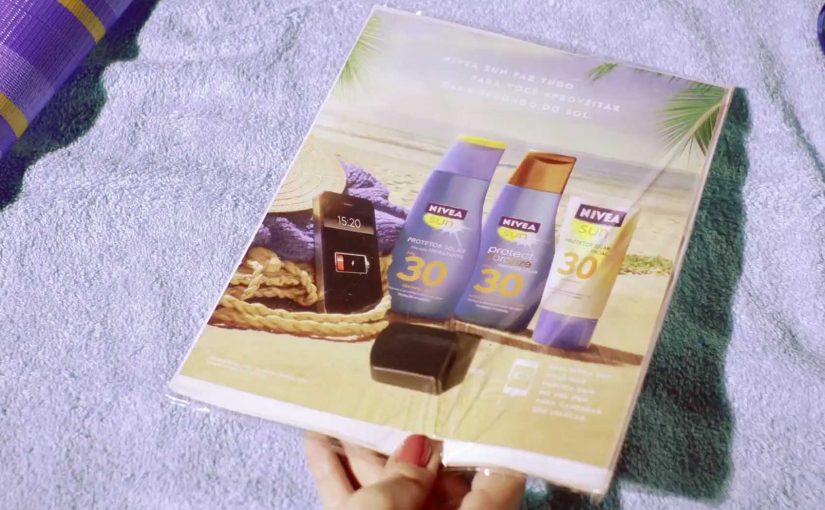
You are on the beach, your battery is dying, and the solution is sitting inside a magazine. NIVEA Sun and Draftfcb Brazil built a print ad insert with real solar panels and a USB port, so beachgoers could plug in and charge while staying in the sun.

The mechanism is the message. The ad is not “about” a product benefit. It behaves like one. Put it in sunlight, connect your phone, and it becomes a small piece of beach kit.

In consumer brand marketing, the most memorable activations turn a media placement into a useful object that fits a real moment of need.

The real question is whether you can make the medium do the job your copy normally tries to do.

This kind of utility-first work is worth copying because it earns attention by solving something small, fast, and real.

Everything in the context ties together cleanly. Sun. Beach. Sunscreen. Mobile phone. Solar charger. The usefulness makes the brand feel present without asking for attention, because the attention arrives naturally once the ad starts solving a problem.

When “print” becomes a product

This is a simple but important shift. The ad is no longer a container for persuasion. It is a container for utility. That makes the experience inherently shareable, because the story people retell is not “I saw an ad”. It is “I charged my phone with a magazine”.

Why this idea lands on a Brazilian beach

Beach time is long, bright, and social. It also creates a predictable friction point. Phones run out of battery, and leaving the spot to find power breaks the day. A solar-powered insert fits the environment and the behaviour, so the concept feels obvious in hindsight.

Extractable takeaway: When the environment already supplies the input, design the interaction so the payoff arrives with almost no explanation.

How to reuse the Solar Ad Charger pattern

  • Start with a real constraint. Battery anxiety is a better brief than “increase awareness”.
  • Let the medium carry the meaning. Solar charging in sunlight communicates the sun story instantly.
  • Make the interaction self-explanatory. A USB port is a universal instruction set.
  • Design for the “tellable moment”. A tellable moment is an interaction someone can retell in one sentence, without explaining the ad first.

A few fast answers before you act

What is the NIVEA Solar Ad Charger?

It is a magazine ad insert created for NIVEA Sun in Brazil that includes thin solar panels and a USB port, allowing readers to charge a phone using sunlight.

Why does this count as interactive advertising?

Because the viewer has to use it. The interaction is physical and immediate. Place it in sun, connect a cable, and the ad performs a function rather than only communicating a claim.

What makes the idea feel so “on brand”?

The utility is inseparable from the product context. Sunscreen is used in the sun. The charger also only works in the sun. The message and the mechanic are the same thing.

What is the main lesson for FMCG launches?

If you can turn a placement into a small, relevant tool, you shift from attention-seeking to value-giving. That typically increases recall, sharing, and positive brand association without needing complex explanation.

What is the most common pitfall with utility ads?

Overengineering. If it requires special setup, fragile components, or unclear instructions, people will not try it. Simple inputs and fast payoff matter more than novelty.

Antarctica: The Beer Turnstile

Antarctica: The Beer Turnstile

Carnival in Rio de Janeiro drives alcohol consumption up, and it also drives traffic risk up with it. Traditional safety warnings are easy to ignore in the middle of a street party.

Antarctica, as an official sponsor of Carnival, decides to make the safer choice feel easier than the risky one. With AlmapBBDO, they install a “beer turnstile” at a subway station where carnival groups gather. Scan an empty Antarctica can at the gate and the turnstile opens, giving you a free ride home.

Turning an empty can into a ticket

The mechanism is a direct behavior swap. Instead of telling people not to drink and drive, the brand turns public transport into the reward for doing the right thing. The “payment” is an empty can, scanned like a transit card, then collected at the turnstile.

In big-city event environments, the most effective safety interventions reduce friction at the exact moment decisions get made, and they do it with an incentive people can use immediately.

Why it lands

This works because it replaces moralizing with utility. The act is simple, public, and repeatable, and it reframes the end of the night as a next step you can take without planning. The real question is how to make the safer ride home easier than the risky one when people are already in motion. It also keeps the brand inside the solution rather than just beside the problem, which makes the sponsorship feel like action, not signage.

Extractable takeaway: If you want behavior change at scale, stop asking for restraint. Build a one-step alternative that fits the moment, then reward the safer behavior with access people already want.

What the beer turnstile gets right

  • Reward the right behavior at the decision point. Do not place the incentive after the moment has passed.
  • Use a token people already hold. An empty can is a frictionless “ticket” during Carnival.
  • Make it visible. A physical gate turns participation into social proof.
  • Keep the story one sentence long. “Scan a can. Ride free.” travels fast.

A few fast answers before you act

What is the Beer Turnstile?

A subway gate that accepts an empty Antarctica beer can as the “fare”, unlocking free travel during Carnival to reduce drunk driving.

Why is this more effective than a standard “don’t drink and drive” message?

Because it changes the default action. It makes the safe option simpler, faster, and immediately rewarding in the same moment people need to get home.

How does the can scanning work in practice?

The can’s code is scanned at the turnstile like a transit credential, then the can is collected as part of the exchange.

What results were reported for the activation?

Campaign write-ups reported usage of around 1,000 people per hour at the special gate, cited as 86% higher than conventional turnstiles that day, and a reported drop in drunk drivers caught of 43%.

When should brands use “brand utility” mechanics like this?

When a safety or public-good goal depends on real-time choices, and the brand can provide an immediate alternative action rather than just awareness.

Pilot Pen: Handwritten Emails

Pilot Pen: Handwritten Emails

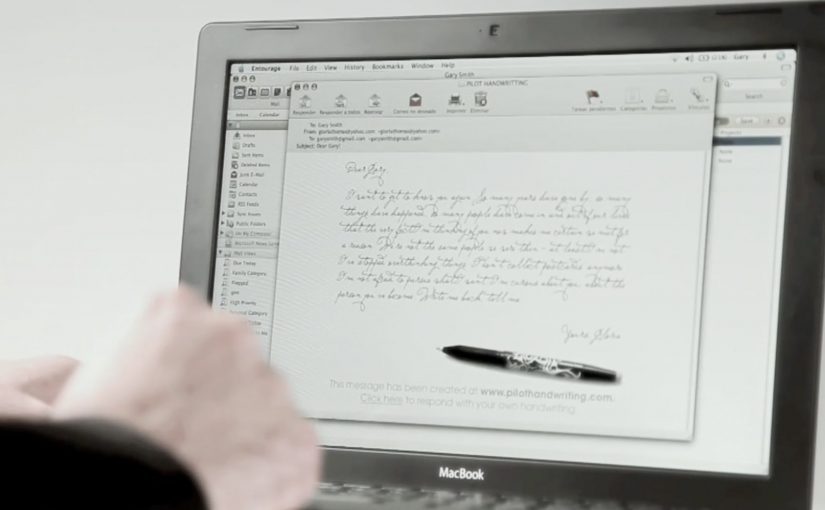
Pilot Pens Spain has made emails more personal by letting you handwrite your emails on the computer.

A pen brand that turns “your writing” into a usable tool

The mechanic is simple. You create a digital font from your own handwriting, then use that font to write emails that look like you wrote them by hand.

All you need to do is go to www.pilothandwriting.com and turn your handwriting into a digital font. After that you can start sending handwritten emails to your friends.

In everyday one-to-one communication, the feeling of personal effort often matters more than perfect typography.

Why it lands: it restores “human signal” without slowing you down

Email is fast but visually uniform. Handwriting is personal but slow. This concept bridges the gap by keeping the speed of email while reintroducing the quirks and warmth that make a message feel meant for one person. By “human signal,” this means the visible personal quirks that make a message feel authored by a specific person rather than produced by a system. It works because the digital font preserves those quirks while removing the time cost of writing by hand.

Extractable takeaway: If your brand owns a physical ritual, translate the ritual into a digital utility that keeps the emotional benefit. People do not want “more features”. They want the feeling the ritual used to create.

The business intent: make the brand present at the moment of meaning

The real question is whether a pen brand can make its core ritual useful inside digital behavior instead of just advertising around it.

This is a strong brand utility move because it turns product truth into something people can actually use. Pilot is useful when you have something worth saying, and the campaign makes the brand present at the exact moment that sentiment is expressed.

The work is commonly credited to Grey Barcelona for Pilot Pen in Spain.

How to apply this brand utility pattern

  • Turn a brand asset into a tool: if you own a distinctive behavior (writing, drawing, annotating), make it usable in digital life.
  • Keep the first win fast: the user should get a “wow, that’s me” moment within minutes.
  • Design for sharing by default: the output should be easy to send, post, or reuse without extra steps.
  • Respect authenticity: slight imperfections are a feature here. Over-smoothing kills the point.
  • Measure the right signal: repeats and reuse matter more than one-time visits.

A few fast answers before you act

What is Pilot Handwriting?

It is a web experience that converts your handwriting into a digital font, so you can write emails that look handwritten.

Why does “handwritten email” feel more personal?

Because handwriting carries individual variation. That visual uniqueness signals effort and intention in a way standard typed text does not.

Is this a gimmick or a useful tool?

It can be a real utility if it reduces friction and produces an output people reuse. The best test is whether users come back and keep writing with it.

What makes a brand utility campaign work?

A clear problem, a fast first payoff, and an output that naturally travels to other people, turning use into distribution.

What’s the biggest risk in copying this idea?

Onboarding friction. If setup is slow or error-prone, the personal magic disappears before the user gets a satisfying result.