With the Volkswagen Smileage app, road trips are never going to be the same again. Smileage is the in-app points system you earn from trip activity and social participation. Powered by Google the app is set to socialise road trips world over.
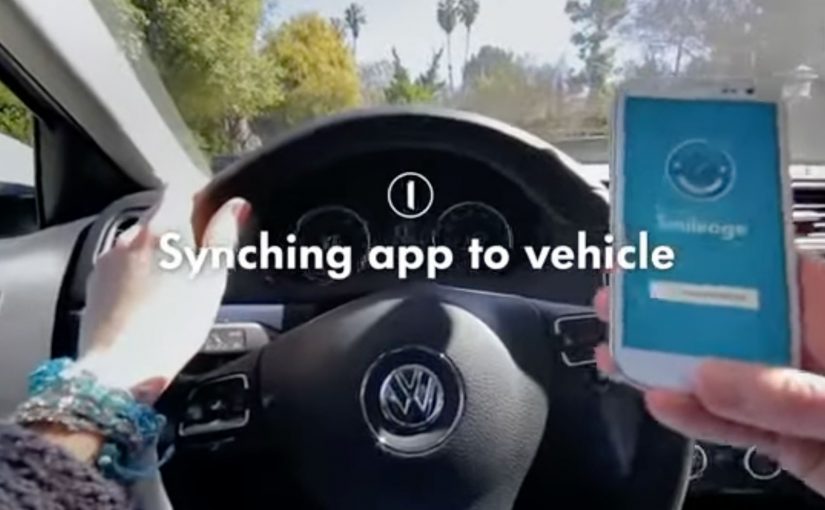
To start earning Smileage you have to pair the app with your car and sign in with your Google account. Once synced, the app automatically connects each time you go for a ride.
Friends can then watch and comment on your journey in real time while you earn Smileage through shared photos, kilometers, checkins, comments, likes and punches, the app’s name for quick in-app interactions from other nearby Volkswagens.
The car becomes a social object
The concept here is not just “tracking”. It is making the trip legible and interactive for people who are not in the car. Because spectators can react and contribute in real time, the drive becomes more shareable and more repeatable than a private commute.
- Automatic connection. Pair once, then the app connects when you drive.
- Live participation. Friends can watch and comment in real time.
- Gamified reward loop. Points are earned through trip activity and social interactions.
Why the Google sign-in matters
In global automotive and mobility brands, the growth lever is turning driving time into something other people can see and join in.
The real question is whether your product turns real-world activity into something other people can participate in, not just something you can track.
Signing in with a Google account signals that this is more than a standalone app. It is built to plug into existing identity, location, and potentially mapping behavior. That is what enables a smoother experience and a more connected ecosystem around the trip. This is the right trade when you want engagement to extend beyond the driver.
Gamification that is tied to behavior
The points system is not abstract. It is linked directly to what happens on a trip. Photos, kilometers, check-ins, comments, likes, and even “punches” from nearby Volkswagens. The incentives are designed to encourage both movement and sharing.
Extractable takeaway: When rewards map to real-world actions and make those actions socially visible, the loop feels earned and keeps paying out after the trip ends.
- Drive. Kilometers and check-ins create baseline progress.
- Share. Photos create moments worth reacting to.
- Engage. Comments and likes add social energy.
- Connect. Nearby Volkswagens add community and surprise.
In connected consumer products, engagement grows fastest when real-world activity, identity, and social participation are designed as one loop.
What to take from this if you build connected experiences
- Reduce setup friction. Pair once. Auto-connect later.
- Design for spectators. The audience is part of the experience, not just the driver.
- Reward real activity. Gamification works best when points map to meaningful behavior.
- Use social to extend usage. Trips become more memorable when others can join in.
A few fast answers before you act
What is Volkswagen Smileage?
It is an app that pairs with your Volkswagen and Google account to make road trips social, letting friends follow and comment live while you earn points for trip activity and engagement.
How do you start earning Smileage?
You pair the app with your car and sign in with your Google account. Once synced, it connects automatically each time you go for a ride.
How do you earn points in the app?
Through shared photos, kilometers, check-ins, comments, likes, and “punches” from other nearby Volkswagens.
What is the main experience benefit for users?
Road trips become shareable in real time, turning the drive into a live story that friends can react to and participate in.
What is the transferable lesson for connected products?
If you combine automatic sensing with social participation and rewards tied to real behavior, you can turn routine usage into a repeatable engagement loop.