
Keep a Child Alive: Digital Death

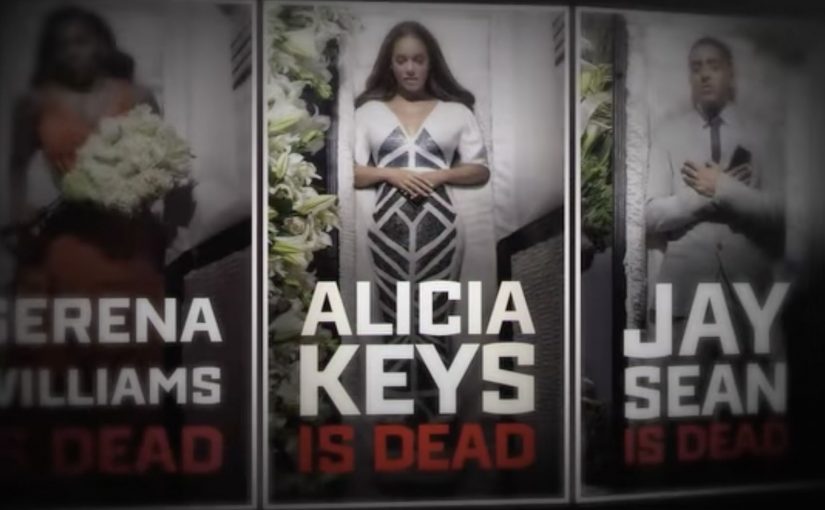
On December 1st, Hollywood died a digital death. Here, “digital death” means celebrities voluntarily going silent on social platforms until donations reach a public fundraising goal. The world’s top celebrity tweeters sacrificed their digital lives to give real life to millions of people affected by HIV/AIDS in Africa and India. Here are their full last tweets and testaments until $1,000,000 is raised to buy their lives back via www.buylife.org.

How “digital death” is made to feel real

The mechanism is brutally simple. Celebrities stop posting. Their accounts point fans toward a donation goal. The audience “buys back” each digital life by contributing toward the $1,000,000 target, with last messages and testament-style videos used as the emotional fuel for the ask.

In celebrity-led social media culture, attention is often treated like currency, and this campaign makes that trade explicit.

Why the stunt spreads

It is built on a clean tension. Fans want access. The cause needs money. Turning silence into a paywall is provocative enough to spark debate, and that debate becomes distribution.

Extractable takeaway: If you need a fundraising idea to travel fast, create a single, legible “lock and unlock” mechanic that people can explain in one sentence, then tie the unlock to a fixed, public goal.

What the campaign is really optimizing

The real question is whether borrowed celebrity attention can be converted into meaningful action for the cause before the stunt burns out.

This is not only about donations. It is about forcing a moment of self-awareness. If people can mobilize instantly for celebrity updates, can they mobilize the same way for lives impacted by HIV/AIDS. The smart part is not the silence itself, but the way it converts attention into a public, measurable ask.

Update: Celebrity Twitter Ban Campaign a Bust, Can’t Raise $1 Million; Stars Freak Out

On December 07, 2010, the New York Post reported that the campaign was struggling to reach the $1 million target at the expected pace, and that a wealthy supporter contributed $500,000 to help move the total forward so participating celebrities could resume posting.

What to steal from this mechanic

  • Make the action loop explainable in one sentence. “Donate to unlock them” is instantly repeatable.
  • Use a fixed, public target. It makes progress visible and easier for others to join.
  • Turn participation into an artifact. “Last tweets” and “testaments” give supporters something to share that carries the ask.
  • Design for pacing, not just launch. If the goal is ambitious, plan how the middle period stays energized when novelty fades.
  • Keep the cause visually present. The celebrity hook gets attention, but the beneficiary story must stay foregrounded.
  • Anticipate backlash and write the guardrails. Scarcity mechanics can feel manipulative. Be explicit about why the constraint exists and where the money goes.

A few fast answers before you act

What was “Digital Death”?

A fundraising stunt where celebrities stopped posting on social platforms, directing fans to donate toward a $1,000,000 goal to “buy back” their digital lives.

Why use “last tweets and testaments”?

It heightens the emotional stakes, and gives fans a final message to react to and share, which helps the donation mechanic travel.

What is the core mechanic that makes it work?

Silence as scarcity. The celebrity’s absence creates demand, and the public donation goal turns that demand into a measurable collective action.

What was the main criticism?

That tying celebrity access to donations can feel manipulative, and that the stunt risks turning a serious cause into a spectacle about famous people.

What is the transferable lesson for cause campaigns?

Build a single, explainable action loop, then make the outcome visible. People give more readily when they can see progress toward a clear target.
EOS Magazine: Talking Tree

Everybody has an opinion on Nature. But what about Nature’s opinion. EOS Magazine decides to give Nature the means to talk, by turning a single tree into a live publisher of its own conditions.

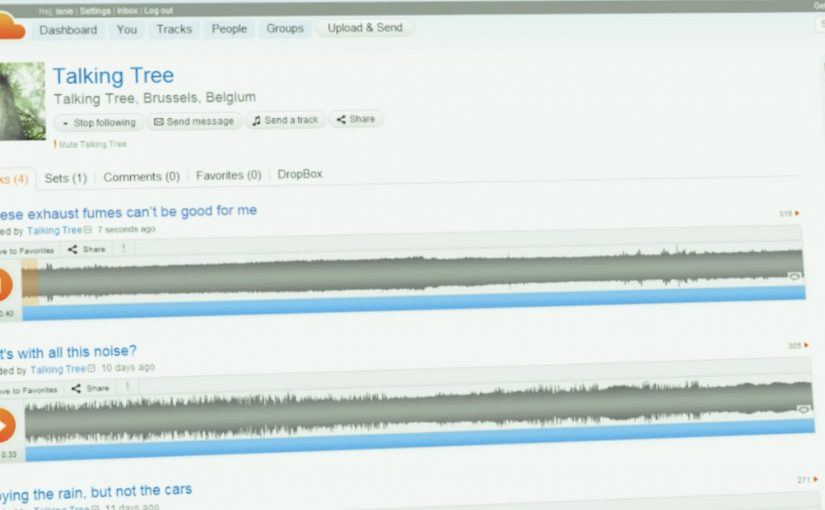
A 100-year-old tree on the edge of Brussels is hooked up to a fine dust meter, ozone meter, light meter, weather station, webcam, and microphone. This equipment constantly measures the tree’s living circumstances and translates the signals into human language. Then the tree lets the world know how it feels.

From sensors to sentences

The mechanic is a simple chain that stays readable. Capture the environment in real time. Translate measurements into plain-language statements. Publish those statements where people already spend time, so “air quality” and “noise” stop being abstract and start sounding like mood.

In European environmental communication, translating invisible conditions into a relatable voice is a practical way to turn passive concern into everyday awareness.

Why giving Nature a voice changes the reaction

It reframes data as empathy. People do not debate particulate matter in casual conversation, but they do respond to a living thing saying it feels dizzy, stressed, or relieved. The tree becomes a social character, which makes the topic shareable without needing a lecture.

Extractable takeaway: If your message is driven by measurements, do not lead with the measurements. Lead with a human-readable translation that carries emotion, then let the data sit underneath as credibility.

What EOS is really building here

This is not just a one-off film. It is a living channel. The tree becomes a continuous stream of micro-updates that can be followed, quoted, and revisited, which gives the idea longevity beyond a single media burst. The real question is not whether the sensors are impressive, but whether the translated voice is strong enough to make environmental data socially relevant every day.

What to steal for your own sustainability storytelling

  • Pick one “spokes-object”. A single, specific entity makes a broad topic easier to care about.
  • Translate, do not dump. Make the system output statements people can repeat in their own words.
  • Make it continuous. A live feed builds habit and credibility faster than a single campaign headline.
  • Keep the voice consistent. The tone should feel stable, or the project reads like a gimmick.

A few fast answers before you act

What is the core idea of Talking Tree?

A sensor-equipped tree that translates environmental conditions into human language and publishes how Nature “feels” through social media-style updates.

Why does anthropomorphizing data work here?

Because it creates an emotional entry point. People respond to a character and a voice faster than they respond to metrics.

What is the key design decision behind the experience?

The translation layer. The project succeeds or fails on whether the outputs feel meaningful and readable, not on how many sensors are installed.

How do you measure success for a concept like this?

Ongoing engagement and repeat visits, plus evidence that the phrasing spreads into conversations, shares, and press pickup beyond the campaign’s owned channels.

Why does the idea need to stay live, not static?

Because continuity is part of the persuasion. Repeated updates turn the project from a one-time awareness stunt into a channel people can return to and reference over time.

Old Spice: The Social Response Campaign

One body wash campaign that owned the conversation

This Old Spice case study takes us through the insight around targeting men and women at the same time to generate conversation around body wash. When it launched, the campaign managed to capture 75% of all conversations in the category.

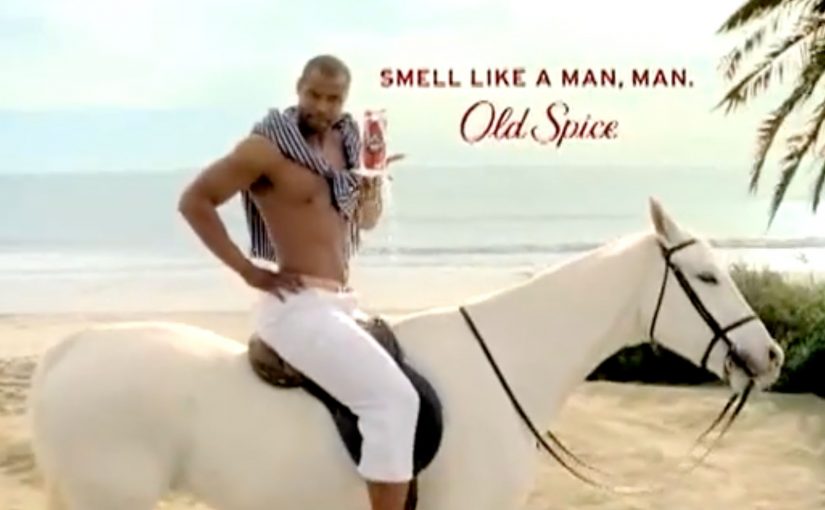
To continue the success, Old Spice & Wieden + Kennedy created the next level, where Mustafa, now a household hero, a character people recognized instantly, engaged with the fans directly. The response campaign consisted of around 180 customized videos which engaged the fans directly. Thus it became the best social campaign ever to have been created.

Here are some stats of the campaign.

  • On day 1 the campaign received almost 6 million views (that’s more than Obama’s victory speech)
  • On day 2 Old Spice had 8 of the 11 most popular videos online
  • On day 3 the campaign had reached over 20 million views
  • After the first week Old Spice had over 40 million views
  • The Old Spice Twitter following increased 2700% (probably off a lowish base)
  • Facebook fan interaction was up 800%
  • Oldspice.com website traffic was up 300%
  • The Old Spice YouTube channel became the all time most viewed channel (amazing)
  • The campaign has generated 1.4 billion impressions since launching the ads 6 months ago
  • The campaign increased sales by 27% over 6 months since launching (year on year)
  • In the last 3 months sales were up 55%
  • And in the last month sales were up 107% from the social responses campaign work
  • Old Spice is now the #1 body wash brand for men

And without further a-due. The best social campaign ever.

The real shift: from broadcast to back-and-forth

The original idea did something rare. It spoke to men and women at the same time. Then it did the smarter thing. It treated the public reaction as the next creative brief. 180 customized responses turn attention into participation.

Because the replies are both personal and public, each interaction creates a reason for more people to watch, share, and join in.

In FMCG categories where products are similar, a brand character plus high-volume two-way interaction can turn attention into a defensible advantage.

The real question is whether you are willing to treat audience reaction as the next creative brief, not a comment thread to manage.

Why this still feels like a blueprint

Most campaigns stop when the film launches. This one starts there. When the character becomes a “household hero,” the brand gains a voice people want to talk to. Brands should treat the response layer, meaning the rapid stream of direct-to-person reply videos, as first-class creative, not post-launch community management.

Extractable takeaway: If a character and tone can scale, rapid, personalized public replies convert one-time views into repeat participation.

What the numbers are really doing here

The stats are not just bragging rights. They are proof that conversation can move the entire system. Views, follows, site traffic, impressions, and ultimately sales. All tied to a campaign designed to travel socially.

Old Spice’s response playbook you can borrow

  • Build for both sides of the purchase conversation. The user. And the influencer in their life.
  • Treat launch day as the start, not the finish line. Plan the response layer.
  • Create a character and tone that can scale. Dozens or hundreds of variations should still feel instantly recognizable.

A few fast answers before you act

What was the core insight in this Old Spice campaign?

Target men and women at the same time to generate conversation around body wash, then use that conversation to fuel the next wave of content.

What made the “response campaign” different?

Mustafa engaged fans directly through around 180 customized videos, turning audience attention into two-way interaction.

What results did the post claim?

The post cites rapid view growth over the first week, large jumps in social following and interaction, major traffic increases, and significant sales lifts over months.

What is the core mechanic behind the success?

A launch film that sparks broad conversation, followed by high-volume personalized responses that keep the conversation accelerating instead of fading.

What should you copy if you cannot produce 180 videos?

Copy the structure. Launch a character-led idea that invites replies, then publish a smaller set of fast, direct responses that keep the conversation moving.