
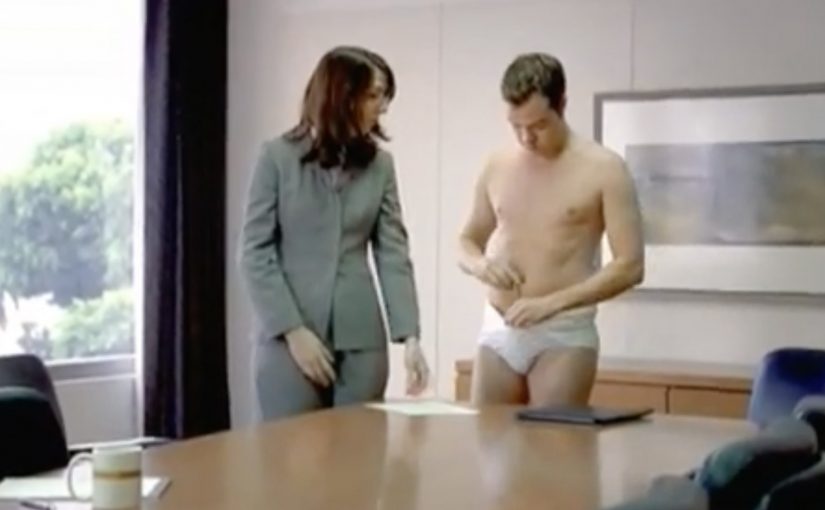
Bud Light: Clothing Drive

Bud Light: Clothing Drive

A simple gag, executed cleanly

A Bud Light ad credited to DDB USA plays as a pure setup-and-payoff joke. It does not over-explain itself. It just commits to the visual premise and lets timing do the work.

How the “clothing drive” trick works

The spot relies on controlled misdirection. Here, controlled misdirection means giving viewers just enough information to make the wrong prediction before the reveal corrects it. It establishes a familiar situation, encourages the viewer to predict what happens next, then flips that expectation with one sharp visual turn. The humor lands because the logic is coherent after the fact, even if you did not see it coming.

In mass-reach FMCG advertising, tight visual gags are a dependable way to earn attention without asking for extra cognitive effort.

The real question is whether the viewer gets the joke in a single beat and remembers the brand at the same time. For broad-reach comedy, restraint is the right call: one clean reversal beats extra explanation.

Why it lands

The joke is readable on mute, which makes it travel. The premise is also self-contained, so viewers can share it without needing context or explanation. When a brand already owns “easy-going fun,” this kind of execution reinforces that identity without resorting to slogans.

Extractable takeaway: If you want broad shareability, build a gag that is visually legible, hinges on one clear reversal, and resolves fast enough that people will replay it immediately.

Steal the visual-gag discipline

  • Make the setup ordinary. Normal scenes make the twist feel bigger.
  • Let the camera be the narrator. Clean framing and timing beat extra dialogue.
  • Optimize for mute viewing. If the joke works without audio, it works in feeds.
  • End on the cleanest frame. The final beat should be the one people remember and reshare.

A few fast answers before you act

What is Bud Light’s “Clothing Drive” ad?

It is a short comedic spot built around a “clothing drive” visual premise, using misdirection and a quick reveal to land the punchline.

What is the core creative mechanic?

Expectation management. A familiar setup invites a predictable outcome, then one visual reversal delivers the joke.

Why does mute readability matter here?

It makes the ad work in feeds, social clips, and distracted viewing environments where audio may be off but the visual payoff still has to land instantly.

Why are visual gags effective for beer brands?

They match the social, low-friction viewing context. Bars, parties, and feeds reward jokes that land quickly without explanation.

What’s the most transferable lesson for marketers?

Design the payoff so it is instantly understandable, even with no sound, and keep the entire arc short enough to trigger an immediate replay.
Andes Beer: The Teletransporter

Andes Beer: The Teletransporter

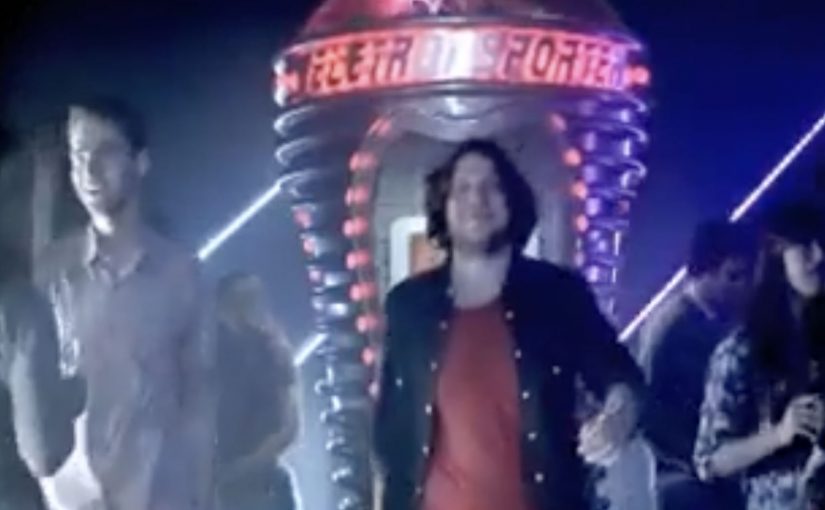
In order to get more men to the bars to drink beer, Andes, the leading beer in Mendoza, Argentina, goes ahead and creates the “Teletransporter”. It is a soundproof booth inside a bar that plays selectable ambient sound effects so a caller hears a believable environment.

The promise is cheeky. Men can stay out longer with friends without triggering the usual “where are you” friction at home.

A booth that lets you be “out” without leaving the bar

The mechanism is a soundproof booth placed inside bars. Step in when the phone rings, pick a believable background, and let the audio do the convincing. Traffic. Office ambience. Family situations. Anything that sounds like you are somewhere other than a bar.

In consumer beer marketing, the fastest path to more consumption is often removing a social friction that makes people leave early.

Why it lands, even with the obvious moral wobble

The idea works because it is built on a truth the audience recognizes instantly, and then turns that truth into a physical product-like solution. The “invention” format makes it feel playful rather than preachy, and the booth makes the benefit tangible.

Extractable takeaway: If your category depends on time spent in a context, design an intervention that reduces the one reason people exit early. Then turn that intervention into a visible, demo-able object so the story spreads without explanation.

The real question is whether you can turn a taboo insight into a playful, tangible demo without making the audience feel judged.

Brands should treat deception as the punchline, not the instruction, and walk away if the work cannot stay in obvious exaggeration.

That said, the premise depends on deception, and the tone matters. The execution frames it as a comic release valve rather than advice, which keeps the work in “bar joke” territory instead of “relationship handbook” territory.

How to borrow the Teletransporter move

The teletransporter is not only a film idea. It is a bar-side utility that creates a reason to stay for “one more,” and a reason to talk about Andes after the night ends.

  • Target the exit trigger. Identify the one social friction that makes people leave early, then design the smallest intervention that reduces it.
  • Make the benefit tangible. Turn the intervention into a visible, demo-able object in the venue so the story spreads without explanation.
  • Police the tone. Keep it firmly in playful exaggeration, or it can read as mean, misogynistic, or genuinely encouraging dishonesty.

A few fast answers before you act

What is the Andes Teletransporter?

It is a soundproof booth installed in bars that plays selectable ambient sound effects so callers hear a believable environment, making it easier for someone to take a call and claim they are not at the bar.

Why does this count as experiential marketing?

Because the core benefit is delivered through a real object in a real venue. The film is the amplification. The booth is the experience.

What is the key mechanism that makes it spread?

Instant retellability plus demonstration. People can explain it in one line, and the booth can be tried and recorded on the spot.

What makes the Teletransporter feel like a “product”?

It packages a familiar tension into a usable utility in the venue. A named object with a clear function is easier to try, film, and retell than a one-off joke.

What is the biggest brand risk in ideas like this?

Tone. If it feels mean, misogynistic, or genuinely encouraging dishonesty, it can backfire. The execution needs to stay firmly in playful exaggeration.

Volvo C70: The Wife-Swapping Parody Spot

Volvo C70: The Wife-Swapping Parody Spot

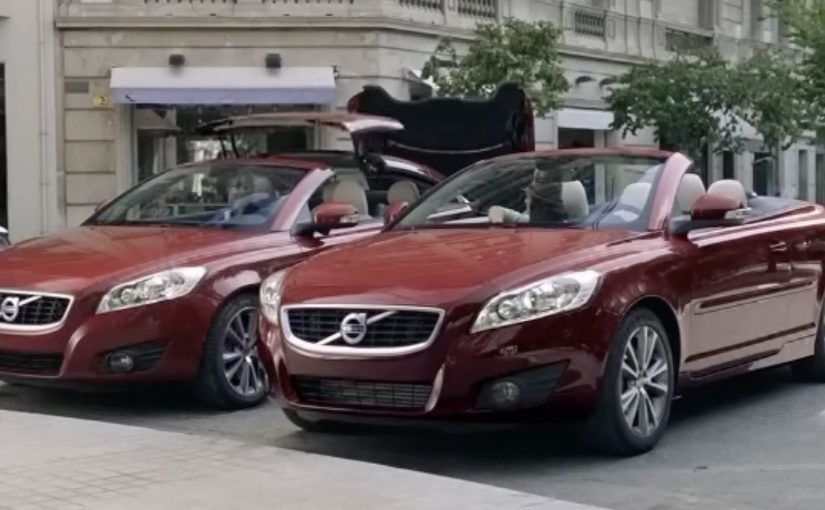
Volvo’s new C70 comes with an available “wife-swapping feature”. That is the joke this video runs with, presented in the familiar language of a premium car commercial, then pushed into outright parody.

The gag: take the feature list seriously, then break it

The mechanism is simple. Use the polished grammar of an automotive feature demo, then introduce one outrageous “benefit” that clearly does not belong. The contrast does the work. It is recognizably a car ad in format, and obviously not a car ad in intent.

In premium automotive marketing, parody “feature demo” films can be a fast way to generate word-of-mouth when the real product story risks blending into category sameness.

Why it lands as a shareable clip

It is short, instantly legible, and built around one line people can repeat. It also plays on a familiar consumer pattern: most of us have seen enough car advertising to recognize the tropes, so the subversion is easy to process and easy to pass on.

Extractable takeaway: If your category is saturated with similar promises, a single sharp subversion can earn more recall than ten more seconds of conventional feature narration.

What this kind of spoof is really useful for

This is not about explaining the car. It is about attention and memory.

The real question is whether the joke reinforces the brand you want to be remembered for, or just the joke.

Satire can do that well because it gives people a reason to share that is social, humor, surprise, and “you have to see this,” rather than “here is a product message.”

How to borrow the spoof “feature demo” safely

  • Use a familiar format. Parody works best when the audience recognizes the template immediately.
  • Anchor it in one repeatable line. If people can quote it, they can share it.
  • Keep the craft “too good” for the joke. High production language makes the twist hit harder.
  • Know your boundary. Satire travels fast, but it can also polarize. Decide what you will not joke about.

A few fast answers before you act

What is this Volvo C70 video actually doing?

It uses the structure of a premium car commercial, then inserts an absurd “feature” to turn the entire piece into satire.

Why does parody often outperform a straight product film online?

Because the share incentive is emotional and social. People share what makes them laugh or surprises them, not what feels like a brochure.

What is the main creative risk with spoof ads?

Confusion and brand harm. If the joke reads as mean-spirited or unclear, people remember the controversy instead of the point.

When is parody a bad idea?

When your product requires trust-first communication, or when the joke could be interpreted as targeting a group of people rather than a marketing trope.

What is the transferable lesson for marketers?

Format hacking. Start with a template the audience already understands, then flip one element to create surprise and talkability.