
The first pre-launch of a car using Twitter

The first pre-launch of a car using Twitter

Twitter is only just taking off in Argentina, and Wunderman Buenos Aires managed to convince Ford to run the pre-launch on Twitter, with great success.

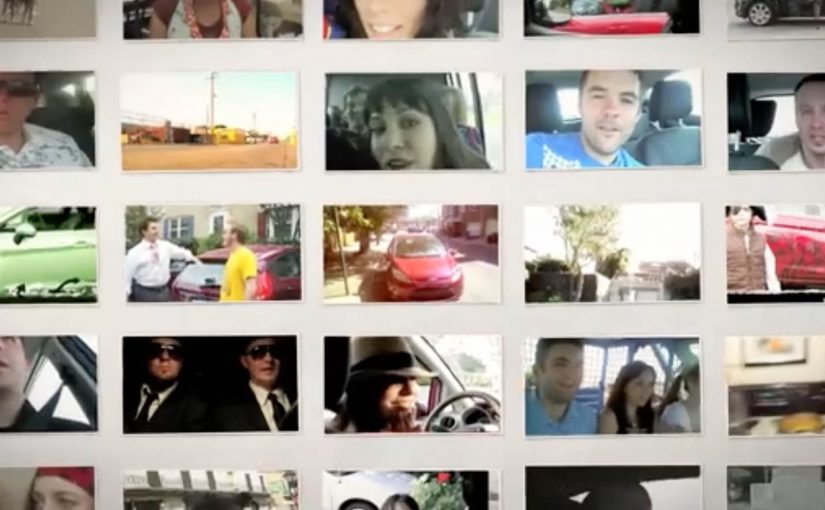
The idea was to give the most followed twitterer in Argentina the one and only new Ford Fiesta available in the country, with the condition that he drive it for 5 straight days, tweeting about his experience. That alone is not new, but the twist was smart. Some of the most famous TV stars jumped in the car and tweeted mini interviews while being driven around in the new Fiesta.

After just 5 days, the campaign had reached over 200,000 people. That is 50% of all Twitter users in Argentina.

Why this pre-launch mechanic works

It turns product access into a live narrative. One car. One highly followed driver. A fixed time window. That constraint creates focus and makes the story easy to follow in real time. The celebrity ride-alongs add a second layer. They keep the feed fresh, they pull in adjacent audiences, and they make the tweets feel like content rather than a running spec sheet.

Extractable takeaway: when a launch gives one person visible access, a tight time window, and guest moments that refresh the feed, the audience gets a story worth following instead of a stream of product claims.

What Ford was really buying

In early social-platform launches, the brand advantage comes from turning limited product access into visible public momentum.

The real question is how to make scarcity feel socially alive before the wider market can experience the product.

The smart move here is not the tweet volume by itself. It is the decision to turn one hard-to-get car into a public format that keeps generating reasons to look again.

What to steal for your next social launch

  • Give someone real access. Scarcity is a stronger signal than claims.
  • Put a clock on it. A defined window creates urgency and repeat checking.
  • Add format variety. Mini interviews change the rhythm and widen appeal.

A few fast answers before you act

What made this a “pre-launch” on Twitter?

The story unfolded through live tweets before broad availability, anchored by one high-profile driver and one car.

What was the core execution?

Argentina’s most followed twitterer drove the country’s only new Ford Fiesta for 5 straight days and tweeted the experience.

What was the twist beyond a standard influencer test drive?

TV stars joined the ride and tweeted mini interviews while being driven around.

What result is highlighted?

After 5 days, the campaign had reached over 200,000 people, described here as 50% of Argentina’s Twitter users.

What is the main takeaway?

Make the launch feel like an event, not an announcement. Access plus a live format beats static messaging.

Volkswagen Amarok Live Test Drive

Volkswagen Amarok Live Test Drive

October seems to be a month of innovative test drive campaigns. In this campaign, ad agency AlmapBBDO Brazil has created a neat interactive meets experiential campaign.

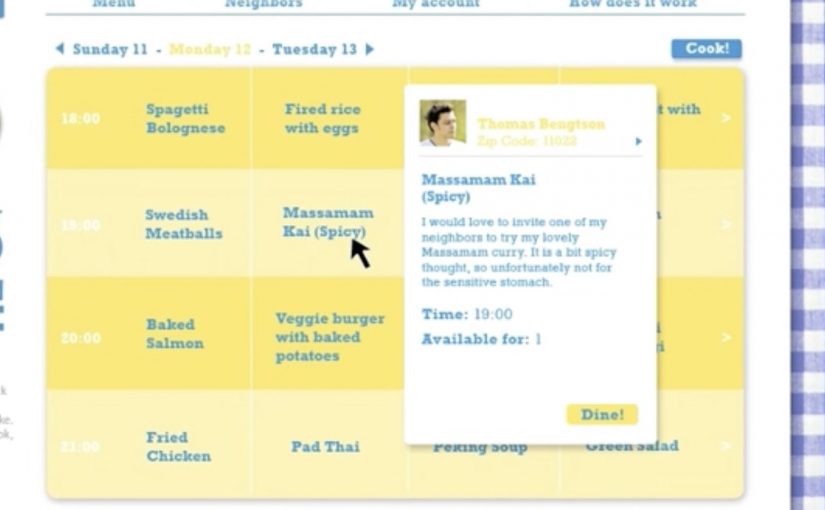
The idea was to create a virtual test drive for Volkswagen’s new Amarok that people could experience live from their home or office. Here, “virtual test drive” does not mean a screen-only simulation. It means remote input controlling a real vehicle on a real outdoor track. So a huge outdoor test track was setup, along with an automated car that takes your virtual test drive directions over the phone while you watch it live on your computer.

The campaign had 327 live test drives, 500,000+ unique site visitors and generated 7,392 online purchase intentions during the campaign period.

Why this “virtual test drive” feels real

The smart move is that the interaction is not simulated on a screen. The driving happens in the real world, on a physical track, with a real vehicle. Your input is remote, but the outcome is tangible and visible live. That makes the experience feel more like participation than advertising because your input creates an immediate, visible consequence in the real world.

Extractable takeaway: When remote input produces a live, physical outcome, the experience feels credible because people are judging a real product response, not a simulated promise.

In automotive marketing, the hard part is making remote interest feel credible enough to trigger real purchase consideration.

What makes it a strong test drive pattern

This is a stronger test-drive idea than most digital demos because it turns product proof into a live behavior, not a rendered claim. The real question is whether a remote experience can create enough confidence to move someone from curiosity to purchase intent. The business value is that the same interaction generates attention, product understanding, and a measurable hand-raise in one flow.

  • Real-time control. Phone directions turn passive viewing into active steering.
  • Live proof. Watching the vehicle respond on a real track builds trust fast.
  • Measurable intent. “Online purchase intentions” connects the spectacle to business outcomes.

What to steal for remote test drive campaigns

  1. Make the proof physical, not simulated. A real car on a real track instantly raises trust versus a screen-only demo.
  2. Design one clear control loop. Simple input (phone directions) and immediate live response keeps the experience intuitive.
  3. Turn “watching” into “doing”. Viewer control is the difference between a stunt film and a product experience.
  4. Capture intent at the peak moment. If the experience feels like a true test, the follow-up CTA can be direct without feeling salesy.

A few fast answers before you act

What is the Volkswagen Amarok Live Test Drive?

A virtual test drive experience where people remotely guided an automated Amarok on a real outdoor track via phone instructions while watching live online.

Who created the campaign?

AlmapBBDO Brazil.

What made it different from a normal online test drive?

Instead of a digital simulation, a real vehicle drove a real track live, responding to the user’s directions.

What results were reported?

327 live test drives, 500,000+ unique site visitors, and 7,392 online purchase intentions during the campaign period.

What’s the transferable lesson?

If you can combine remote control with live, physical proof, you can turn “watching” into “doing” and generate measurable intent.