

Porsche 911: Birthday Song

Porsche 911: Birthday Song

A birthday song plays. But the “instruments” are Porsche 911s. The film stitches together sounds from seven generations of the 911 and turns them into a celebratory tune that feels like performance heritage you can hear.

For the 50th anniversary of the Porsche 911, Fred & Farid Shanghai recorded the sound signatures across the model’s generations, then made them playable online via a musical keyboard. Fans can log in, tap keys, and compose their own tracks using real 911 audio samples.

A branded “sound keyboard” is a web interface that maps recorded product sounds to notes or keys, so people can create short compositions. It turns passive listening into viewer control, and that extra participation time is what drives recall and sharing.

Reported results vary by source. One case write-up reports roughly 2.84 million video views over two months, and the keyboard being played about 1.86 million times worldwide.

Why this lands with Porsche fans

It does not explain the 911. It lets you “play” it. That is the emotional trick. The interaction makes the heritage feel accessible, and the sound makes it feel authentic. You are not learning history. You are using it. Because the keyboard makes the sound playable, the heritage stops being abstract and starts feeling personal.

Extractable takeaway: If you want heritage to feel current, turn the proof into a simple tool people can use, not a story they only watch.

In luxury automotive brand building, sound and craft cues often communicate performance credibility faster than specification copy ever can.

What the campaign is really aiming to shift

In China, the anniversary becomes a brand-image move. It reinforces Porsche as a sports-car maker by leaning on the one asset competitors cannot copy easily. The 911’s recognisable sound character across generations.

The real question is whether your brand has a defensible cue you can turn into something people can play with.

If you have an asset competitors cannot copy easily, you should design the interaction first and then use film to give it a default story.

What to steal for your own heritage-led activation

  • Turn heritage into a tool. Give people something they can do, not only something they can watch.
  • Use sensory proof. Sound is hard to fake and easy to remember.
  • Anchor interaction with a hero asset. The film gives the idea a “default” story, then the keyboard lets fans personalise it.
  • Make sharing inherent. Compositions are naturally shareable outputs. That is stronger than asking for shares.

A few fast answers before you act

What is the Porsche 911 Birthday Song campaign?

It is a 50th anniversary activation that records sounds from multiple 911 generations and turns them into two outputs. A hero “Birthday Song” film and an interactive web keyboard where fans can compose their own tunes.

Why use sound instead of visuals or specs?

Because sound carries performance identity instantly. It communicates emotional credibility and heritage without requiring technical explanation.

What makes the interactive keyboard more than a gimmick?

It creates participation time and personal output. When people make something themselves, they stay longer and are more likely to share. That improves memorability.

What business goal does this serve in China?

Strengthening Porsche’s sports-car credentials by making the 911’s heritage feel distinctive, modern, and culturally shareable.

What is the biggest execution risk with sound-led interactivity?

If the interface is slow or the sounds feel too similar, the “play” loop collapses. The experience needs immediate feedback and clearly different audio notes to feel satisfying.
World’s Toughest Job: The Fake Interview Reveal

World’s Toughest Job: The Fake Interview Reveal

A job listing almost nobody wanted

Do you have what it takes to handle the World’s Toughest Job? Mullen, an advertising agency in Boston, posted a fake “Director of Operations” job for one of their clients online and in newspapers. The paid placement reportedly generated over 2.7 million impressions, but only 24 people applied.

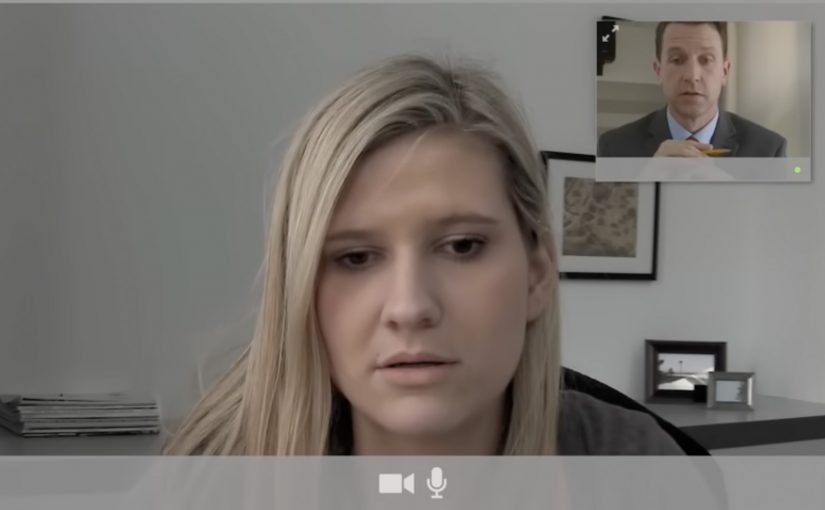
Those applicants were invited to a video conference where the role was explained in blunt terms: more than 135 hours per week, constant mobility, tight coordination, and nonstop communication. There are no breaks, no holidays, and no pay.

The mechanic: recruiting theatre as storytelling

Here, “recruiting theatre” means using the rituals and pressure of a job interview as the storytelling device. The film uses a familiar structure, a job interview, then pushes the requirements until the audience’s common sense kicks in. Because the “candidate” reactions are captured live on webcam, the escalating demands feel real, not scripted, and the viewer keeps watching to resolve the tension.

At the end, the campaign reveals what this “Director of Operations” role is actually describing, and the entire job spec snaps into focus.

In mass-market brand storytelling, the faux-recruitment format is a fast way to make hidden work visible and comparable.

Why it lands

It borrows credibility from the hiring process. When you hear “job requirements,” you naturally evaluate fairness, compensation, and sustainability. By deliberately breaking those expectations, the spot forces a reassessment of what society normalizes and undervalues, then uses the reveal to turn discomfort into appreciation.

Extractable takeaway: If your message is about undervalued effort, put it into a framework people already use to judge value, then let the contrast do the persuasion instead of a lecture.

What the client is buying

This is not just a feel-good twist. It is a reframing device designed to change how people talk about a role, and to prompt a concrete action immediately after the emotional peak. The “job interview” wrapper also makes it highly shareable because viewers can describe it in one sentence without spoiling the whole experience.

The real question is whether your audience needs more information, or a sharper frame that makes overlooked value impossible to ignore.

How to Reframe Invisible Work

  • Start with a believable premise. Familiar formats reduce skepticism and earn attention fast.
  • Escalate with specificity. Numbers, constraints, and tradeoffs make the situation feel tangible.
  • Use real-time reactions as proof. Authentic surprise is a stronger asset than polished dialogue.
  • Time the reveal after tension peaks. The moment of resolution is where people decide to share and act.

A few fast answers before you act

What is the “World’s Toughest Job” campaign format?

A fake job listing leads to webcam interviews where the role is described as extremely demanding with no pay. The film then reveals what the role is actually referring to.

Why does the job interview structure work so well?

Viewers already know how to judge jobs. When the requirements become unreasonable, it triggers an instinctive fairness check, which makes the reveal feel earned.

What is the key mechanic in one line?

Use a credible real-world frame, escalate expectations, capture real reactions, then deliver a reveal that reframes the entire premise.

What makes this shareable beyond the initial audience?

The premise is easy to summarize, the tension holds attention, and the payoff feels emotionally decisive, which motivates sharing.

What should a brand borrow from this without copying it?

Translate an abstract truth into a familiar evaluation framework, then let the audience reach the conclusion themselves.

O2: Be More Dog

O2: Be More Dog

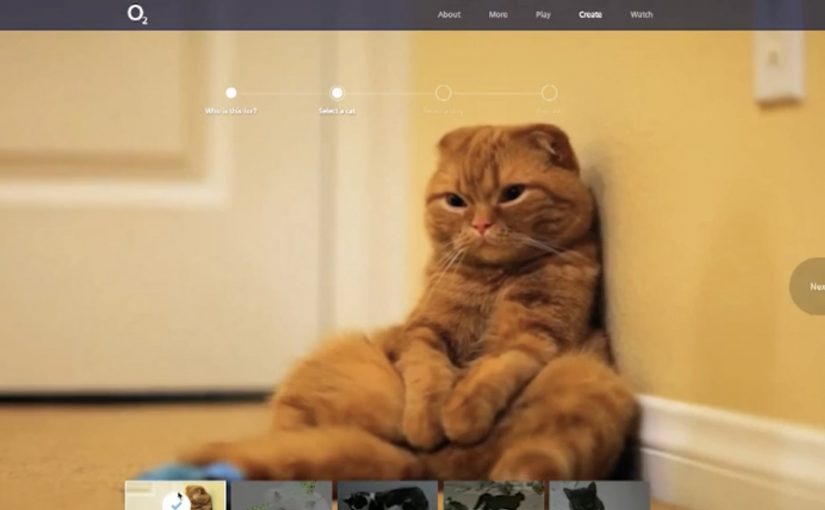
A cat decides it has had enough of being indifferent. It chases, leaps, splashes, and generally behaves like a dog. O2 UK uses that simple flip to ask people to do the same with technology. Less “meh”. More curious.

With VCCP and the Moving Picture Company, the campaign extends beyond the TV spot into a participation layer. That participation layer means the idea does not stop at the film but gives people something to do and share. On visiting www.bemoredog.com, people are greeted by a cat that acts more like a dog, then pulled into interactive play through a dual-screen HTML5 Frisbee game and a set of customisable cat videos designed for sharing.

How the integration is designed

The mechanism is a clean handoff. TV creates the character and the phrase. Mobile turns into the controller for a dual-screen game. Social carries the customisable video layer so people can pull friends into the same joke and the same attitude shift.

In UK consumer telecoms, where functional claims blur quickly, a memorable behavioural metaphor can do more positioning work than another round of feature talk.

Why it lands

It works because it uses a familiar truth. The cat-to-dog flip works because it turns an abstract behaviour change into a visual joke people understand in seconds. Cats look cool and detached. Dogs look curious and all-in. That contrast is instantly readable, and it translates directly into what O2 wants from people. Try the new thing. Explore. Stop acting like technology is background noise.

Extractable takeaway: If you want people to reframe a category, give them a single, sticky metaphor and one simple interaction that lets them experience the new attitude, not just hear about it.

What O2 is really trying to shift

This is brand positioning dressed as entertainment. The real question is how to make curiosity about new technology feel socially easy and emotionally attractive, not technically demanding. O2 is steering perception toward optimism and exploration, and using connected play to make “embracing the new” feel easy, not technical. In context, the timing also supports a broader push into newer network experiences, including 4G-era behaviour change.

What brand teams can steal from Be More Dog

  • Use one character as the bridge. The cat carries TV, site, game and shareables without needing extra explanation.
  • Make mobile do a job. Second-screen control is more convincing than a generic “download our app” prompt.
  • Build sharing into the format. Customisable videos give people a reason to tag or send, not just watch.
  • Keep the interaction lightweight. Quick play beats complicated onboarding when the goal is broad participation.

A few fast answers before you act

What is “Be More Dog”?

It is an O2 UK brand campaign that uses a cat acting like a dog as a metaphor for being more curious and enthusiastic about new technology, supported by second-screen and shareable digital experiences.

What is the core digital mechanic?

A dual-screen HTML5 Frisbee game that uses a phone as the controller, plus customisable cat videos designed for social sharing.

Why does the cat versus dog metaphor work so well?

It compresses a complex ask into a simple behavioural contrast people instantly understand, then turns that contrast into a repeatable line and a repeatable action.

What makes this an integrated campaign rather than “TV plus a website”?

The channels do different jobs that depend on each other. TV creates meaning. Mobile enables interaction. Social distributes personalised variants that pull others back into the idea.

What is the biggest way this pattern fails?

If the digital layer feels bolted on. The interaction has to express the same promise as the film, otherwise it becomes a novelty that does not move perception.