Never got the hang of applying makeup with your own hands? MODA from FOREO is billed as a digital makeup artist that takes the “tutorial” culture online and turns it into an automated, 30-second application moment.
From a chosen look to a mapped face
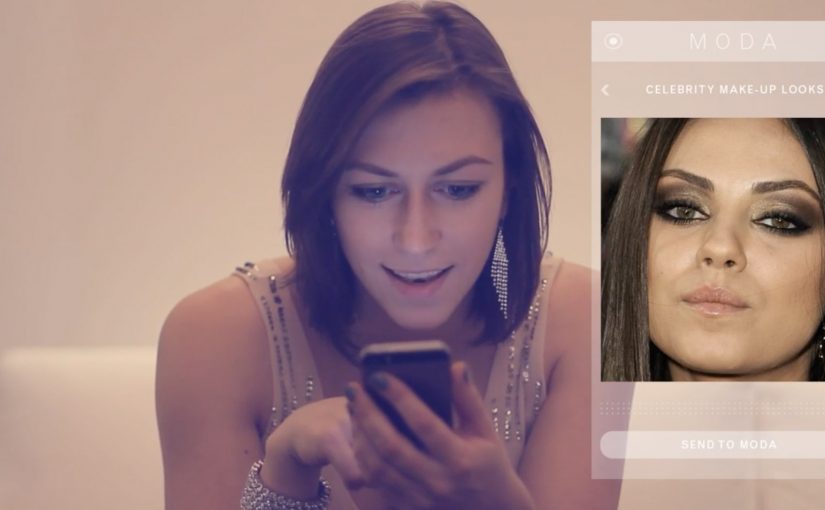
The flow starts in an app: you select a style to emulate. That style can come from MODA’s image library, a celebrity photo, or a picture of a fashionable friend. MODA then scans facial features to align the look. In other words, it maps facial landmarks so placement follows the wearer’s features. MODA then adapts colors and shapes to suit the wearer’s skin tone and face shape.
How the device applies the look
Once the selection is set, the user places their face into the device and MODA “paints” the chosen look directly onto the face, described as using makeup ink that is FDA-approved. Here, “ink” refers to the makeup medium the device dispenses onto the skin. The proposition is speed and repeatability: copy a look, personalize it, apply it, done.
In consumer beauty tech, shifting makeup from manual skill to an automated service experience changes the value from “how well you apply” to “how fast you can experiment”.
Why this idea has an audience
Online videos teaching people to copy celebrity styles are already a mass behavior. MODA’s bet is that many people do not want more instruction. They want a shortcut. Because the device applies the look for you after scanning and personalization, “trying a look” can become as easy as choosing one. The real question is whether the applied result looks credible enough that people will trust it without extra tutorial time. This framing is compelling because it shifts beauty from a practiced skill to a repeatable service moment.
Extractable takeaway: When a category is stuck on “learn the skill,” the highest-leverage innovation is often a service layer that turns inspiration into a fast, repeatable outcome, not another tutorial.
What MODA teaches about beauty UX
- Collapse inspiration to action. Let people pick a reference look and get to an applied result quickly.
- Personalize by default. Use scanning and simple adjustments so the outcome fits the individual, not just the template.
- Design for repeatability. Make it easy to re-run a look, tweak it, and compare outcomes without starting from scratch.
A few fast answers before you act
What is MODA in one line?
A device billed as a “digital makeup artist” that uses an app selection plus facial scanning to apply a chosen makeup look in about 30 seconds.
What makes this different from AR try-on?
AR try-on is an on-screen overlay that previews a look digitally. MODA’s promise is physical application on the face after scanning and customization.
How does a user choose a look?
Through an integrated smartphone app, choosing from a library or supplying a reference image such as a celebrity photo or a friend’s picture.
How does MODA personalize a look to your face?
It’s described as scanning facial features and then adapting the chosen reference look by adjusting placement, shapes, and color choices to better fit the wearer’s face shape and skin tone before applying it.
Who is MODA pitched for?
People who want to experiment with different looks quickly, especially those who do not enjoy the learning curve of manual application and tutorials.