
Video Campaigns: When the Player Is Message

Two videos that did not just play, they proved the point

Video innovation rarely comes from “better footage”. It comes from changing how the viewer experiences the message. These two campaigns are clean examples of that approach.

In the last week or so I came across two campaigns that used video to innovatively deliver their message.

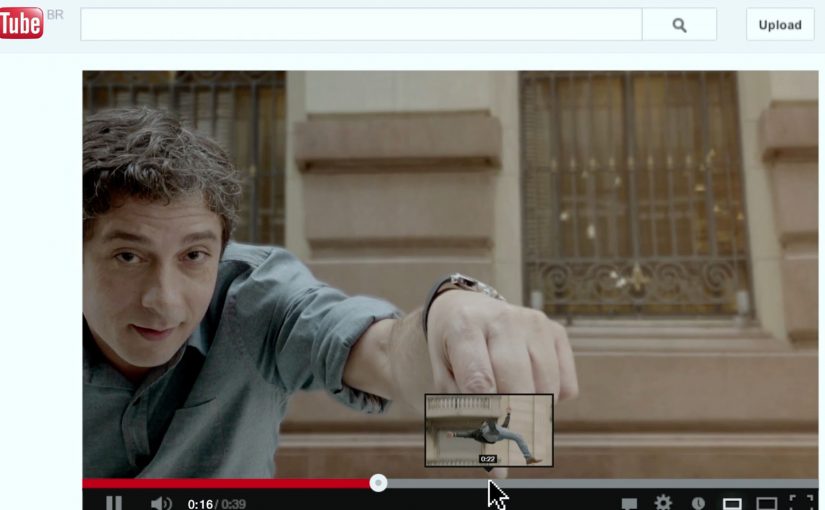
Volkswagen Hidden Frame – using the YouTube play bar as the story

The Volkswagen Side Assist feature helps drivers avoid accidents by showing other vehicles when they are in the side mirror’s blind spot.

To drive home the message, AlmapBBDO developed a film that used YouTube’s play bar to show the difference the VW Side Assist made in people’s lives.

No Means No – a player that interrupts denial

Amnesty Norway, in an attempt to change the Norwegian law on sexual assault and rape, developed a film that used a custom video player to pop up the key message.

The campaign was a success and the law was about to change as a direct consequence of the campaign.

Why interface-led video lands harder

Both ideas shift the viewer from passive watching to active noticing. By “interface-led” I mean the player UI, like the progress bar, overlays, or controls, doing storytelling work, not just housing the film.

Extractable takeaway: If the interface carries part of the argument, the viewer is forced to notice the point during playback, which reduces message loss.

The real question is whether your player can carry the argument when attention collapses.

Volkswagen used a familiar interface to make a safety benefit visible in the moment. Amnesty used an interface interruption to force the key message to be seen, not skipped. In both cases, the “player” stopped being furniture and became the persuasion device.

In global consumer brands and publisher-style marketing teams, interface constraints often determine what gets noticed and what gets ignored.

What these campaigns were really trying to achieve

The business intent was not “engagement” as a vanity metric. It was message delivery with minimal loss.

Volkswagen aimed to make an invisible feature feel tangible and memorable. Amnesty aimed to change perception and behavior at the cultural level, and the player design reinforced that urgency by refusing to be background noise.

Player-hacking patterns to copy

Here, “player-hacking” means designing the video controls and UI as part of the message, not just the wrapper.

  • Use the interface as evidence. When the message is hard to show, let the UI demonstrate it.
  • Design for the skip reflex. If your message is often ignored, build an experience that makes ignoring harder.
  • Keep viewer control intentional. Interactivity works when it serves comprehension, not novelty.
  • Make the “point” happen inside the viewing moment. Do not rely on a voiceover claim when the experience can prove it.

A few fast answers before you act

What is an “interface-led” video campaign?

An interface-led video campaign is one where the player experience, like the progress bar, overlays, or controls, is part of the storytelling, not just the container.

How did Volkswagen Hidden Frame use YouTube differently?

It used YouTube’s play bar as a narrative device to demonstrate the value of Side Assist, making the benefit feel visible rather than described.

What did Amnesty Norway’s No Means No change about the player?

It used a custom video player that surfaced the key message via a popup, ensuring the point was encountered during playback.

Why do these ideas work better than a standard film in some cases?

Because they reduce message loss. The viewer is guided to notice the point through the viewing mechanics, not just the content.

What is the practical takeaway for brands?

If your message is often missed, redesign the viewing experience so the message is structurally harder to ignore and easier to understand.
Amnesty International: Sound of Amnesty

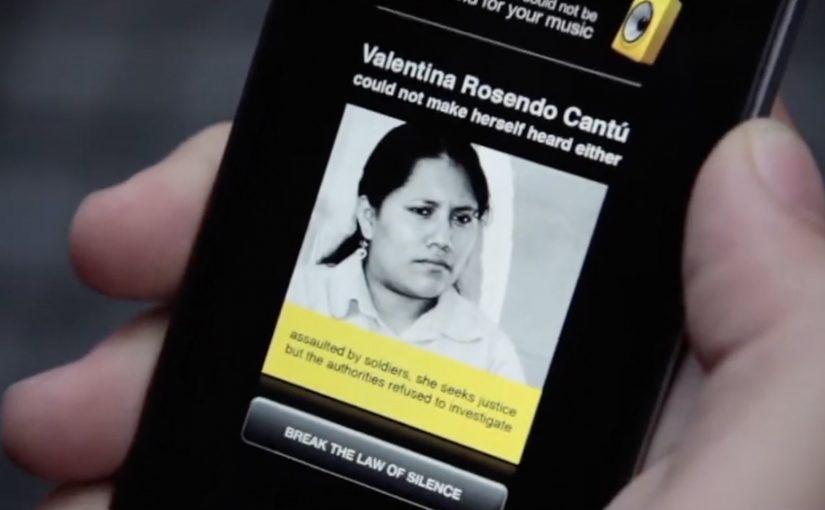
This year, charity and human rights organization Amnesty International France turns its signatures petition drive at www.marathondessignatures.com into a musical “hymn to freedom” with Paris-based agency La Chose.

The campaign behaves like a normal petition drive, with one twist: every digital signature releases the next note of an exclusively written song, “The Sound of Amnesty”. To push the idea further, Shazam is used as a distribution channel. When Shazam fails to recognise a song, the app displays a call-to-action message alongside a case story, including: “Valentina Rosendo Cantu could not make herself heard either. Assaulted by soldiers, she asked for justice but the authorities refused to investigate”.

Why the “next note” mechanic works

Most petitions are emotionally important but mechanically flat: sign, share, done. Here, the signature becomes a trigger with immediate feedback. The song becomes a living progress indicator, and every participant can feel they are adding something tangible, not just adding their name to a counter. Because each signature produces an instant, shared “next note” payoff, participation feels consequential, which makes repeat shares and completion more likely.

This is a stronger petition pattern than a static signature counter because it turns support into a felt moment of progress.

Why Shazam is the clever amplifier

Shazam normally appears when you are already paying attention to music. By placing the petition inside the “recognition failed” moment, meaning when the app cannot match a track, the campaign catches people at a point of curiosity and mild frustration. The message reframes that friction as a metaphor for unheard voices, then gives users something concrete to do.

Extractable takeaway: Borrow an existing attention ritual, then use the moment’s friction to make the cause legible and the next action immediate.

In digital petition drives, tying each signature to a shared artifact that literally progresses can turn passive support into collective anticipation.

The real question is whether your petition makes progress feel personal, or just counts people.

Results and escalation

Reportedly, the campaign collected 150,000 signatures, described as a 500% increase from the previous year. The track was also produced on CD and sent to Amnesty’s targeted authorities, turning digital participation into a physical advocacy artifact.

Patterns to copy in petition drives

  • Give every action an immediate consequence. “You unlocked the next note” beats “thanks for signing”.
  • Use an existing habit. Hijacking a familiar moment inside a popular app can outperform building a new destination experience.
  • Make progress audible or visible. A petition counter is abstract. A song evolving over time is memorable.
  • Connect the mechanic to the meaning. The “not recognised” moment mirrors the core human-rights theme: not being heard.

A few fast answers before you act

What is “The Sound of Amnesty” in one line?

A petition drive where each signature unlocks the next note of an original song, turning advocacy into a progressively revealed “hymn to freedom”.

How is Shazam used in the campaign?

When Shazam cannot recognise a song, it displays an Amnesty message and invitation to sign, using the failure moment as a metaphor for silenced voices.

Why does the “unlock the next note” mechanic increase participation?

It adds instant feedback and a shared sense of progress, making signatures feel like contributions to a collective outcome.

Do you need Shazam to replicate the pattern?

No. The transferable move is to piggyback on an existing user habit and turn an ordinary support action into a small, satisfying reveal that people want to share.

What is the most transferable lesson?

If you want more signatures, do not only ask for support. Turn the act of signing into a small experience people can feel and share.