James Ready: Bar-Ter Campus Tour

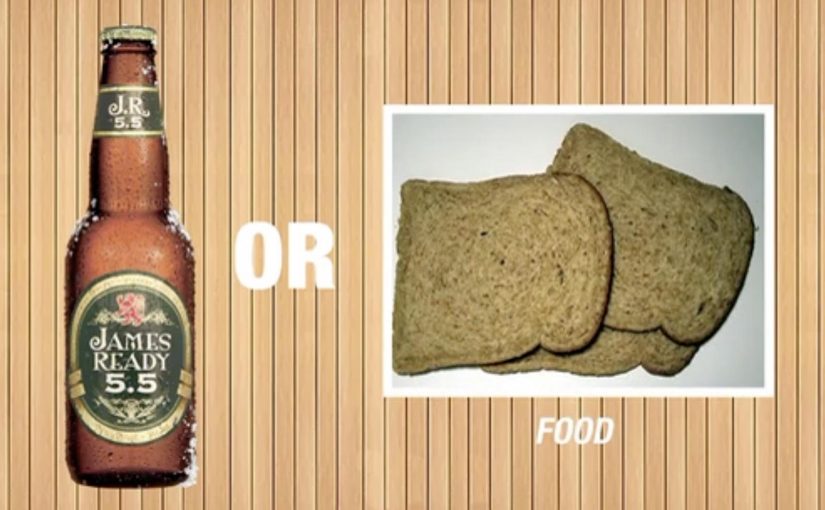
It’s a well-known fact. Students are relatively poor. They have to choose between spending their little money on beer or food, beer or books, and beer or transportation. So Leo Burnett Toronto created The James Ready Bar-Ter Campus Tour. “Bar-Ter” is the campaign’s name for a cap-for-essentials barter mechanic. A way for students to have both. Beer and other necessities.

Students were encouraged to spend their money on James Ready Beer, collect their beer caps, and trade the caps for semi-awesome and useful stuff like detergent, soap, mac n’ cheese, socks and so on.

Beer caps as a campus currency

The idea is disarmingly straightforward. A beer cap becomes a token. Tokens become necessities. Suddenly the brand is not only the thing you buy for a night out, it is also the thing that helps you restock the basics you keep postponing.

Bar-Ter succeeds because it reframes “cheap beer” as “smart trade.” It makes the buyer feel savvy, not broke.

How the Bar-Ter loop works

The loop is simple enough to explain in one breath. Buy beer. Keep caps. Swap caps for stuff you actually need. That simplicity matters because campus promotions only spread when the mechanic is instantly repeatable and easy to tell a friend.

It also builds a visible trail of participation. Caps pile up. People compare counts. The “currency” becomes social proof.

In consumer brands that compete on price and habit, promotions work best when they turn a purchase into a practical ritual people want to repeat.

The real question is whether your promotion creates a repeatable habit or just a one-off spike.

Why it lands with students

Students do not need another discount. They need a way to justify the purchase. Bar-Ter gives them that justification by attaching the brand to everyday utility. The prizes are not aspirational. They are deliberately ordinary, which makes the reward feel honest.

Extractable takeaway: When your audience is cash-tight, utility rewards can justify the purchase better than discounts, because the payoff feels like help, not hype.

There is also a small psychological trick. Collecting caps turns spending into progress. Even if the reward is modest, the accumulation feels like getting somewhere.

What the brand is buying with this promotion

This is not only a giveaway. It is a loyalty habit built on a physical artefact. If you want the cap, you need the brand. If you want enough caps, you need repeat purchase. And because the redemption items are useful, the reward feels earned rather than random.

Industry listings later associated this work with awards recognition, which fits the pattern. A simple mechanic, strong cultural truth, and a clear behaviour change.

Bar-Ter moves worth copying

  • Turn packaging into a token. If the token is already in the product, you lower friction and increase repeat.
  • Reward with utility, not luxury. Useful items make the promo feel like help, not hype.
  • Make progress visible. Collecting is part of the satisfaction. Design the “pile up” effect.
  • Keep the exchange rate legible. If people cannot quickly understand how to win, they will not try.
  • Match the reward to the audience truth. The best prize is the one that feels tailored to their real life.

A few fast answers before you act

What is the James Ready Bar-Ter Campus Tour?

It is a student-focused promotion where people collect James Ready beer caps and trade them for everyday essentials like detergent, soap, mac n’ cheese, and socks.

Why use caps instead of coupons?

Caps are physical proof of purchase that naturally accumulate. They make participation visible and social, and they create a repeat-buy loop without requiring people to track paper discounts.

What makes this kind of promotion feel “smart” rather than cheap?

Utility rewards. When the payoff is something you genuinely need, the purchase feels justified and the brand feels practical rather than desperate.

What’s the biggest risk with token-based promotions?

Redemption friction. If the exchange process is unclear, inconvenient, or understocked, the promotion becomes frustration and the brand takes the blame.

How can a non-beer brand adapt this idea?

Use a built-in product element as the token and exchange it for items that reduce your audience’s everyday pain. The token must be easy to collect and the reward must be meaningfully useful.
Andes Beer: The Teletransporter

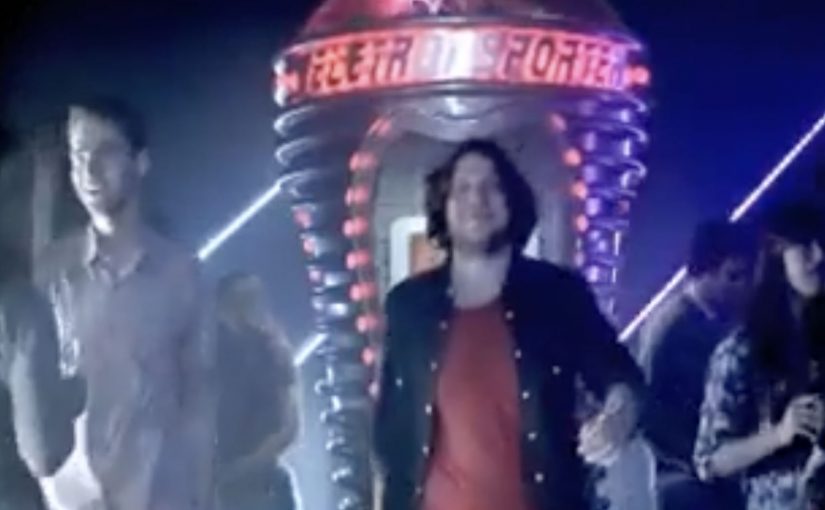
In order to get more men to the bars to drink beer, Andes, the leading beer in Mendoza, Argentina, goes ahead and creates the “Teletransporter”. It is a soundproof booth inside a bar that plays selectable ambient sound effects so a caller hears a believable environment.

The promise is cheeky. Men can stay out longer with friends without triggering the usual “where are you” friction at home.

A booth that lets you be “out” without leaving the bar

The mechanism is a soundproof booth placed inside bars. Step in when the phone rings, pick a believable background, and let the audio do the convincing. Traffic. Office ambience. Family situations. Anything that sounds like you are somewhere other than a bar.

In consumer beer marketing, the fastest path to more consumption is often removing a social friction that makes people leave early.

Why it lands, even with the obvious moral wobble

The idea works because it is built on a truth the audience recognizes instantly, and then turns that truth into a physical product-like solution. The “invention” format makes it feel playful rather than preachy, and the booth makes the benefit tangible.

Extractable takeaway: If your category depends on time spent in a context, design an intervention that reduces the one reason people exit early. Then turn that intervention into a visible, demo-able object so the story spreads without explanation.

The real question is whether you can turn a taboo insight into a playful, tangible demo without making the audience feel judged.

Brands should treat deception as the punchline, not the instruction, and walk away if the work cannot stay in obvious exaggeration.

That said, the premise depends on deception, and the tone matters. The execution frames it as a comic release valve rather than advice, which keeps the work in “bar joke” territory instead of “relationship handbook” territory.

How to borrow the Teletransporter move

The teletransporter is not only a film idea. It is a bar-side utility that creates a reason to stay for “one more,” and a reason to talk about Andes after the night ends.

  • Target the exit trigger. Identify the one social friction that makes people leave early, then design the smallest intervention that reduces it.
  • Make the benefit tangible. Turn the intervention into a visible, demo-able object in the venue so the story spreads without explanation.
  • Police the tone. Keep it firmly in playful exaggeration, or it can read as mean, misogynistic, or genuinely encouraging dishonesty.

A few fast answers before you act

What is the Andes Teletransporter?

It is a soundproof booth installed in bars that plays selectable ambient sound effects so callers hear a believable environment, making it easier for someone to take a call and claim they are not at the bar.

Why does this count as experiential marketing?

Because the core benefit is delivered through a real object in a real venue. The film is the amplification. The booth is the experience.

What is the key mechanism that makes it spread?

Instant retellability plus demonstration. People can explain it in one line, and the booth can be tried and recorded on the spot.

What makes the Teletransporter feel like a “product”?

It packages a familiar tension into a usable utility in the venue. A named object with a clear function is easier to try, film, and retell than a one-off joke.

What is the biggest brand risk in ideas like this?

Tone. If it feels mean, misogynistic, or genuinely encouraging dishonesty, it can backfire. The execution needs to stay firmly in playful exaggeration.

Tiger Beer: The Last Tiger

How far would you go for a bottle of Tiger Beer? That is the question posed by the campaign for the brand by Saatchi & Saatchi.

A last-bottle dare, turned into a brand moment

Reportedly, the film plays the “last bottle” scenario as a competitive, larger-than-life showdown, then punctures the testosterone with a dose of feminine charm. It is a simple tension. One bottle. Too many people who want it. Social rules bend fast when scarcity shows up.

From TV tension to small digital interactions

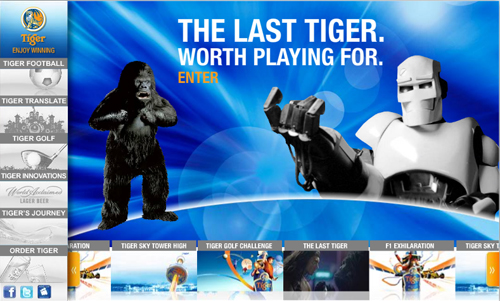
Mechanically, the idea extends beyond the TVC (television commercial) by giving fans lightweight ways to participate: a personality quiz, downloadable avatars, a wallpaper creation function, and a “happy hour” reminder widget that nudges people to take a break after a long day at work.

In Southeast Asian beer marketing, translating a TV story into lightweight, shareable participation is a reliable way to extend reach beyond the media buy.

Tiger Beer Website

A useful pattern here is the conversion of one emotional hook into repeatable touchpoints. Identity (quiz result). Self-expression (avatar). Personalization (wallpaper). Timing cue (the reminder widget). Each interaction is small, but it keeps the campaign’s core question alive in moments when people are actually deciding what to do next.

Brands should resist bolting on unrelated features and instead reuse the same tension across every micro-interaction.

The real question is whether the digital layer keeps the same scarcity tension alive at the moment someone can act on it.

What the “happy hour” widget is really doing

Even if someone watches the film once, a time-based reminder can re-open the narrative at the most relevant moment. End of work. Start of social time. This works because the timing cue re-enters a real routine, so the story resurfaces when choices are being made. It is not about “more content”. It is about putting the same story back in front of the user when it can convert into action or talk value.

Extractable takeaway: A timing mechanic is often the highest-leverage digital element because it returns the same story at decision time, not just at viewing time.

How to reuse a scarcity premise in digital

  • Start with one tension. If the film’s premise can be summarised in one sentence, it is easier to translate into digital actions.
  • Design for replay, not depth. Quizzes and downloads work when they are fast, obvious, and socially legible.
  • Add a timing mechanic. A reminder widget or calendar nudge can outperform another “feature” because it re-enters a real routine.
  • Keep every interaction tied to the same story. If an element does not reinforce the core question, it becomes decoration.

A few fast answers before you act

What is “The Last Tiger” concept?

A scarcity story. One “last bottle” triggers social competition, and the campaign invites viewers to imagine how far they would go for it.

How does the digital layer support the TV film?

It breaks the central tension into quick actions people can complete and share: a quiz, avatar downloads, wallpaper creation, and a time-based “happy hour” reminder.

Why include a “happy hour” reminder widget?

Because it re-surfaces the campaign at a high-intent moment. The end of the workday. The start of social decisions.

What makes the digital interactions feel connected, not gimmicky?

They all reinforce the same premise. One last bottle, and the social scramble it triggers. If an interaction does not echo that tension, it will not travel.

What is the transferable lesson for other brands?

Turn one strong film premise into three to five tiny interactions that reinforce the same story, and add at least one timing cue that re-enters a routine.