Outdoor ads that turn into a game
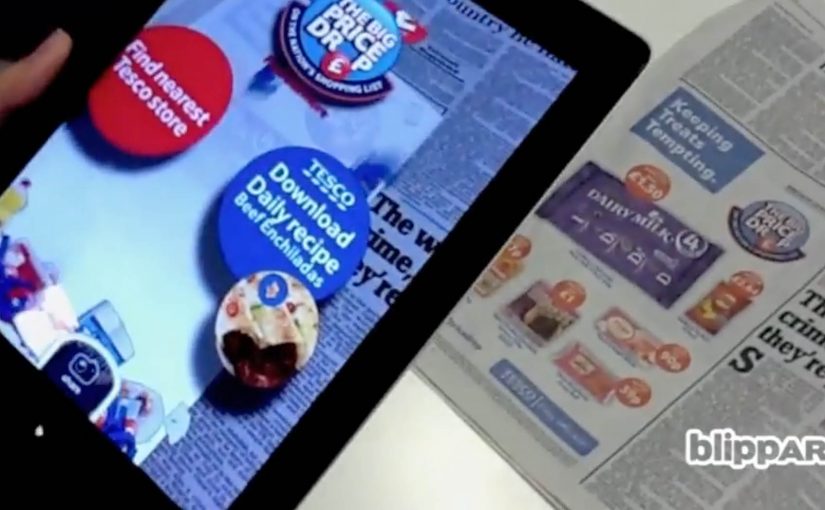
Jameson Irish Whiskey recently launched a huge outdoor campaign, teaming up with augmented reality specialist Blippar for image recognition technology. Here, “image recognition” means the app matches what the camera sees to known Jameson creative and then triggers the experience.
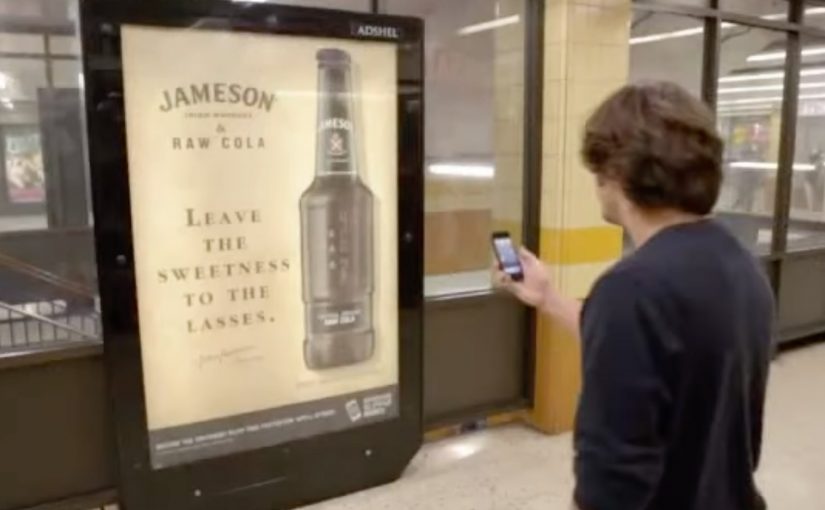
People with the Blippar app could scan any Jameson Irish Whiskey ad or bottle and immediately get immersed in a Jameson Irish Whiskey version of Space Invaders.
How the Blippar scan-to-play mechanic worked
The mechanism was straightforward. A phone camera scan triggered Blippar’s image recognition. That recognition launched an interactive AR experience on the device.
In practice, the physical media became the “portal”. The ad or bottle was the entry point. The phone was the display and controller. The game was the reward.
In spirits and FMCG outdoor campaigns, scan-to-play AR works best when the payoff is immediate and the controls feel natural in a standing, on-the-street context.
Why it landed, and where the interaction could be smoother
The win is immediacy. Scan and you are inside the brand world without a long setup. Because recognition launches the game instantly, it converts a fleeting poster glance into play time.
Extractable takeaway: If you turn physical media into a “scan to reward” portal, deliver the reward within seconds and design controls that match the real-world posture of the moment.
After playing the game myself, I found it would have been a better experience if they had allowed viewer control through tilting the phone around, instead of non-stop tapping at the screen. However, it is still good to see more brands innovating like this.
What the brand was really buying
This was not just about novelty. It was about extending an outdoor campaign into a personal, interactive moment that people could not get from a standard print execution.
The real question is whether your outdoor media can earn voluntary attention, not just reach.
The intent was clear. Increase attention time. Add talk value. Create a reason to engage with the bottle and the ads beyond the first glance.
This pattern is worth copying when you can reward immediately and keep interaction comfortable enough to sustain play.
What to steal for your next AR activation
- Make the entry point universal. “Scan any ad or bottle” reduces friction and increases participation.
- Reward immediately. If the scan does not pay off fast, the experience loses the environment it depends on.
- Design the controls for comfort. Favor natural motion and simple gestures over repetitive tapping when sessions run longer than a few seconds.
- Use AR to earn time, not impressions. The value is the extra seconds of focused attention, not the novelty headline.
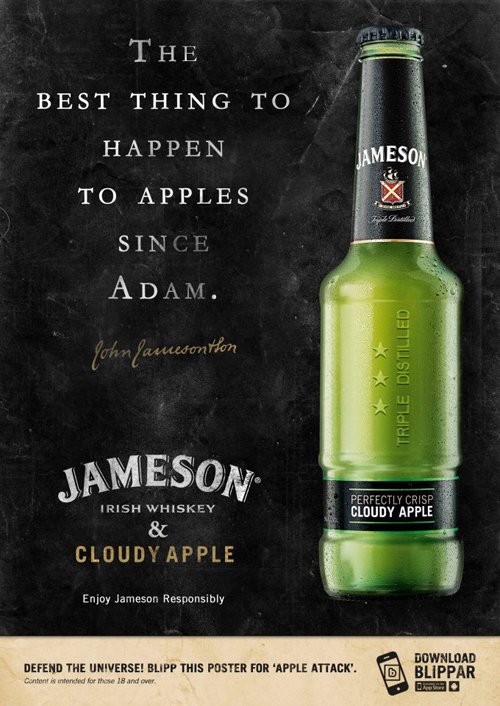
If you would like to give it a try, download the Blippar app on your smartphone and scan the below bottle to start playing.
A few fast answers before you act
What was Jameson doing with Blippar?
They used Blippar’s image recognition so people could scan Jameson ads or bottles and launch an interactive AR game experience on a smartphone.
What was the core mechanic?
Scan the physical creative with the Blippar app. The scan triggers recognition. The phone immediately launches the game.
Why does scan-to-play work well for outdoor advertising?
It turns a passive glance into an active moment. The ad becomes a portal to content that holds attention longer than print.
What interaction improvement could make this smoother?
More natural viewer control, such as tilting the phone, can reduce fatigue compared to continuous tapping during gameplay.
What is the main takeaway for brands?
Use AR to earn time and engagement by delivering an immediate reward, and make the control scheme comfortable enough to sustain play.