
Castrol: Vuvu Lyza

Castrol: Vuvu Lyza

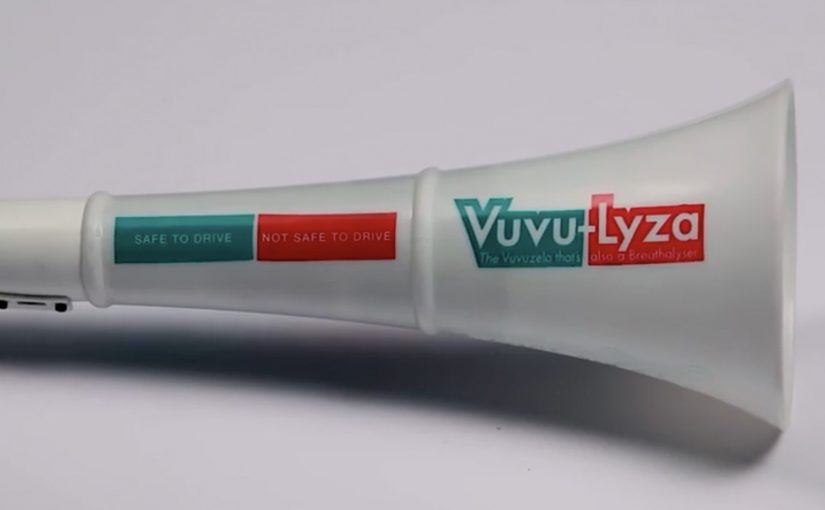
The breathalyser test is one of the most common ways to check alcohol levels, and it is also one of the most disliked. Castrol takes that friction point and fuses it with something fans actually enjoy using. The vuvuzela. The result is the Castrol Vuvu Lyza.

Positioned as a first-of-its-kind twist for South African drivers, the idea lets people enjoy the game and still make a safer call about getting home afterwards.

A safety tool disguised as fan gear

The core move is deliberately simple. Merge the breathalyser everybody hates with the vuvuzela everybody loves. The campaign turns a compliance moment into a ritual moment, by putting the test inside an object that already belongs in the match-day experience.

How the Vuvu Lyza works

After the game, drivers blow into the Vuvu Lyza like a normal vuvuzela. The breathalyser element then indicates whether they are above the legal drinking limit, described through an easy colour cue. Green means go. Red means no.

In road-safety communications, attaching a serious decision to a familiar social ritual can reduce resistance and increase follow-through.

Why this lands

This works because it removes the moral lecture and replaces it with a usable object. People do not feel policed. They feel equipped. The “hate” of a breath test is softened by the playfulness of fan culture, and the decision point becomes immediate, visible, and hard to rationalise away.

Extractable takeaway: If your message depends on behaviour change, hide the “compliance” inside an object people already want to use, then make the outcome binary and instantly readable.

What Castrol is really doing

Beyond awareness, this positions Castrol as a brand that shows up in everyday driving consequences, not just in engine performance claims. It also borrows the cultural loudness of football fandom to give road safety a shareable, talkable form.

The real question is how to get fans to self-check at the exact moment match-day emotion can override judgment.

What behaviour-change campaigns can steal

  • Merge pain with pleasure. Put the disliked behaviour inside a loved object or ritual.
  • Make the decision binary. One clear signal beats a nuanced message at the point of action.
  • Design for post-event reality. Build for the moment people actually make risky choices.
  • Let the object carry the story. A physical device is easier to demonstrate, film, and retell than a warning.

A few fast answers before you act

What is the Castrol Vuvu Lyza?

It is a vuvuzela adapted to include a breathalyser, intended to help drivers make a safer decision about driving after drinking.

How does it tell you if you should drive?

You blow into it, and the device indicates whether you are above the legal drinking limit using a simple colour signal described as green for go and red for no.

Why combine a breathalyser with a vuvuzela?

Because the vuvuzela is culturally familiar and fun, which lowers resistance to the breath test moment and makes the safety behaviour easier to adopt.

What’s the core campaign message?

Enjoy the game, then make a clear, safer call before getting behind the wheel.

What’s the biggest risk with this kind of activation?

If the device is not trusted, or the signal is unclear, the behavioural promise collapses. The tool has to feel reliable and instantly understandable.
Antarctica: Beer Breathalyzer

Antarctica: Beer Breathalyzer

Drinks giant Ambev aims to reduce drinking and driving in Brazil. Together with agency AlmapBBDO, it brings a unique Antarctica beer “breathalyzer” activation into bars to show young adults how alcohol affects judgement.

A bar experience that turns a warning into a reveal

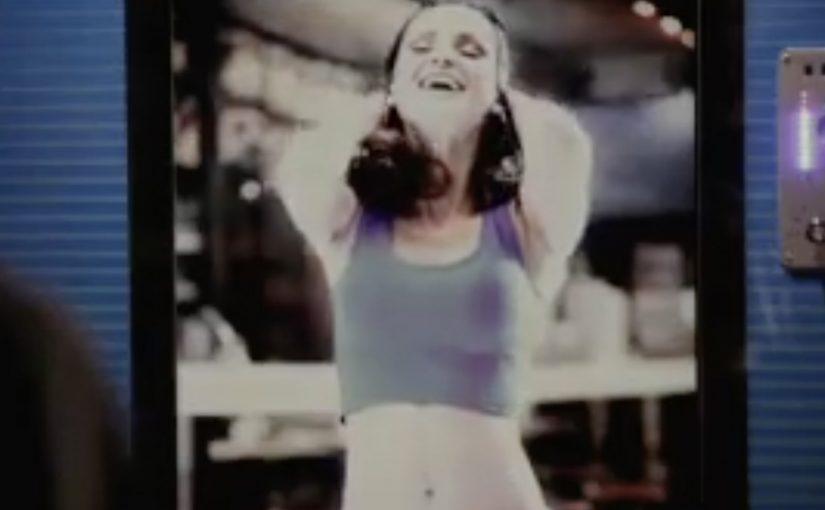
Video screens are placed in bars, and a friendly, normal-looking girl invites customers to take a breath test by breathing into the machine.

If the reading suggests they’re sober enough, the moment ends. If the machine detects alcohol, the on-screen character transforms into a gyrating, seductive “beauty” and the unit prints a discount voucher for a taxi company.

The mechanic: demonstrate impaired judgement, then offer the safer choice

The creative trick is to dramatize the very thing alcohol distorts: perception. By making the “wrong” reaction feel obviously wrong, the campaign turns a safety message into something people feel instantly, not something they are told to remember later.

The real question is how to interrupt the decision before someone leaves the bar thinking they are still fine to drive.

In nightlife contexts, responsible-drinking work is strongest when the safer alternative is offered at the exact decision point.

Why it lands: it replaces lecturing with a moment of self-recognition

Most anti-drink-driving communication relies on fear or shame. This execution uses surprise and self-awareness, then nudges the next best action without moralizing.

Extractable takeaway: For high-friction behavior change, pair a fast “mirror moment” (show me I’m not fit to decide) with an immediate off-ramp (make the safer option easy, discounted, and right there).

What to steal for your own safety or responsibility campaign

  • Put the intervention where the decision happens: bars, venues, exits, car parks, pickup points.
  • Make the insight experiential: one surprising reveal beats ten lines of copy.
  • Offer the alternative instantly: the voucher is the conversion mechanism, not a side benefit.
  • Keep the interaction short: fast participation increases uptake and social watching.
  • Design for talk value: if people describe it easily, it spreads beyond the venue.

A few fast answers before you act

What is the Antarctica Breathalyzer activation?

It is a bar-installed breath test experience that uses an on-screen transformation to illustrate impaired judgement, then prints a discounted taxi voucher when alcohol is detected.

Why does a taxi voucher matter in this context?

Because it converts awareness into action. The campaign does not just warn you. It gives you a practical way to avoid driving right now.

What is the behavioral insight behind the “transformation”?

Alcohol can distort perception and decision-making. The exaggerated change on screen is a fast metaphor designed to make that distortion obvious and memorable.

What’s the biggest risk in copying this idea?

Tone. If the execution feels mocking, sexist, or unsafe, it can backfire. The experience needs to motivate safer choices without humiliating participants.

How do you measure success for this kind of activation?

Participation rate per venue, voucher redemption rate, uplift in taxi usage during activation windows, and any local incident or enforcement indicators you can ethically and legally access.