
fiftyfifty: Frozen Cinema

fiftyfifty: Frozen Cinema

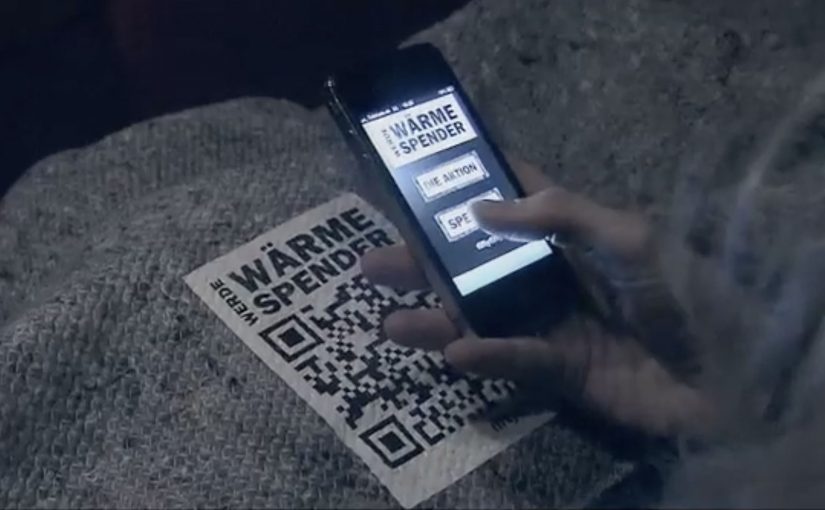
A cinema in Germany is set to a brutal 8°C. The audience starts to shiver, then notices blankets placed on the seats. A short film begins, and homeless people on screen comment on the “cold cinema experience”. For them, 8°C is described as cozy.

That contrast is the reality check. It turns “winter hardship” from an abstract idea into a physical sensation you cannot ignore, even if only for a few minutes.

How the donation loop is built

The mechanism is tightly engineered. Lower the temperature. Hand out blankets. Add QR codes to the blankets so the audience can donate instantly while the emotional context is still fresh. Here, the donation loop means a felt trigger, an instant prompt, and a friction-light way to give before the moment fades. The cold primes empathy. The QR code removes friction. That sequence works because the physical cue creates urgency and the QR code captures intent before it cools.

In European urban environments where most people only glimpse homelessness in passing, empathy campaigns land harder when they translate a daily reality into a shared, felt moment.

The real question is how to turn sympathy into immediate action before comfort returns and attention drifts.

Why it lands

This works because it is not just a message. It is a sensory demo. The audience experiences discomfort, then immediately hears the perspective of people who live with worse, for longer, with no quick “rewarm” button.

Extractable takeaway: If your cause depends on empathy, build one controlled, temporary experience that lets people feel a fraction of the problem, then put the simplest possible action in their hands while they still care.

What to reuse in empathy activations

  • Use the environment as media. A small physical change can do more than a big headline.
  • Pair feeling with explanation. The “why” must arrive before people rationalize the discomfort away.
  • Make the action immediate. Donations work best when there is no extra search, form, or delay.
  • Keep it respectful. The goal is recognition and support, not spectacle.

A few fast answers before you act

What is “Frozen Cinema”?

It is a charity awareness and donation activation that chills a cinema to 8°C and uses a short film plus QR-coded blankets to trigger immediate donations for homeless support.

What is the core mechanism?

Physical discomfort creates attention. Context from homeless voices creates meaning. QR codes on blankets remove friction so people can donate on the spot.

Why does the temperature change matter?

It turns an intellectual topic into a bodily experience. That shift makes the message harder to dismiss and easier to remember.

Why put the QR code on the blanket?

It places the donation action inside the experience itself, so people do not have to search for the next step after the emotional moment has passed.

What is the most reusable lesson?

When you need action, design a moment that people can feel, then make the response path effortless and immediate.

Carlsberg: Bikers in cinema experiment

Carlsberg: Bikers in cinema experiment

In a Belgian cinema, an “easy night out” turns into a small test of nerve. A couple walks in with tickets in hand. The room looks full. The only two empty seats are in the middle. The twist is that the audience is packed with intimidating bikers.

Carlsberg and Duval Guillaume Modem set this up as an experiment to reinforce the brand’s association with making the right choices. Reactions were recorded and edited into a viral film that rewards the people who stay seated rather than turn around.

The mechanism that makes it work

The mechanics are simple and deliberate. Fill the room. Leave two seats. Let unsuspecting pairs make a binary decision in public. Stay or leave. The tension is real because the setting is real, and the social pressure is visible to everyone watching.

Once a couple commits and sits down, the room flips from threat to approval. The bikers applaud, and the moment turns into a reward scene that makes the brand feel like it “saw” the better choice.

In crowded FMCG categories, social experiments work when they dramatize a value claim in a single, easy-to-retell moment.

The real question is whether you can borrow social risk to create attention without breaking participant trust.

Why it lands: social risk, then social proof

The audience experiences the same internal dialogue as the couples. Do I trust my instincts. Do I judge by appearance. Do I avoid discomfort. That tension is the hook. The applause is the release. Here, “social risk” is the fear of being judged in public, and “social proof” is the crowd signalling approval once the choice is made.

Extractable takeaway: When you borrow social pressure as the hook, you must also design visible approval as the proof, so the value claim is retellable in one line.

It also produces a clean moral without preaching. The brave are rewarded. The crowd is not actually hostile. The viewer walks away with a feeling that maps neatly onto the brand’s “good decision” positioning.

What Carlsberg is buying with this stunt

This is not about product attributes. It is about emotional territory. Confidence. Decency under pressure. And the idea that choosing Carlsberg is the grown-up, correct move when there are multiple options. This is a smart brand play because it turns “making the right choice” into observable behaviour, but it only works when the participants are treated carefully.

It is also engineered for sharing. The setup can be explained in one sentence, and the payoff is satisfying even if you only watch the last third of the video.

Design rules for your own brand experiments

  • Make the choice binary. The story works because there is a clear yes or no moment.
  • Stage tension, then earn release. If you create discomfort, you must repay it with warmth or justice.
  • Keep the “why” instantly readable. Viewers should understand what is being tested without narration.
  • Reward the behaviour you want to own. The applause is not decoration. It is the message.
  • Protect trust. If participants feel tricked or harmed, the brand loses the moral high ground.

A few fast answers before you act

What is the Carlsberg “bikers in cinema” experiment?

It is a filmed cinema stunt where unsuspecting couples enter a theatre filled with bikers and find only two seats left among them. Their decision to stay or leave becomes the story, and the people who stay are rewarded.

Why is this more shareable than a typical ad?

Because the premise is instantly understandable and the emotional arc is clean. Tension, decision, payoff. That structure travels well as a short video.

What brand message does the stunt communicate?

That “making the right choice” is a real behaviour under pressure, not a slogan. The brand borrows credibility by rewarding the choice on camera.

What is the biggest risk with social-experiment advertising?

Breaking trust. If the situation feels unsafe, humiliating, or coercive, the audience will side with the participants, not the brand.

How do you adapt this pattern without copying the stunt?

Create a public moment with a clear decision, then design a surprising but positive reward that proves your positioning. Keep the stakes emotional, not harmful.