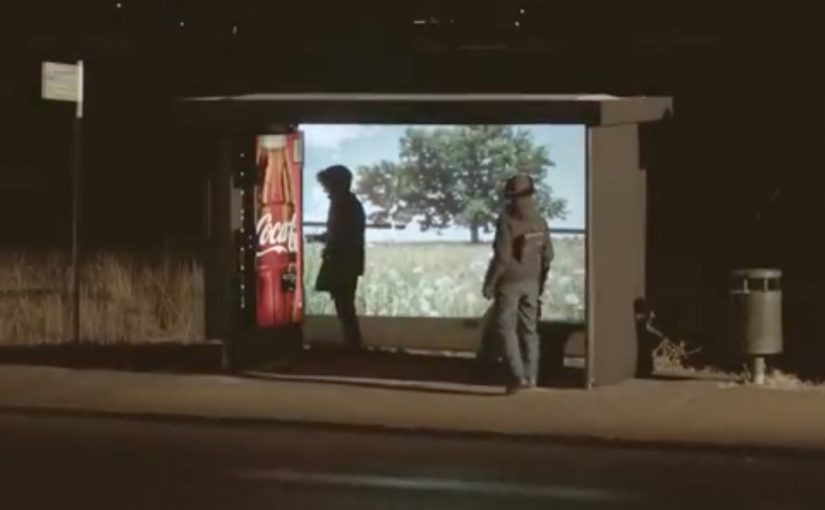
Since the time I started writing this blog, I have come across many innovative vending machines. Some I featured right here on Ramble.
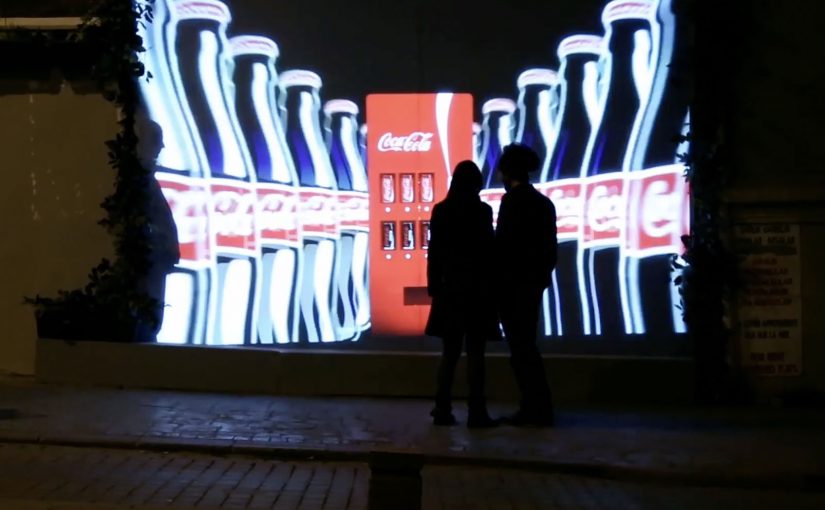
Now to add to this collection, here is an invisible vending machine from Coca-Cola Turkey that becomes visible only when couples walk by. The machine was created specially for Valentine’s Day (last week) and was installed in Istanbul to spread happiness Coca-Cola style.
A vending machine you cannot see until the right moment
The trick is the reveal. What looks like a normal stretch of wall becomes a vending interface only when two people approach together. That instant transformation creates a micro-scene, and the micro-scene pulls in everyone nearby.
In consumer brand activations, public installations work best when the interaction is obvious, fast, and shareable without instruction.
How the interaction is described to play out
- Invisible by default. The unit blends into the wall and does not present itself as a machine.
- Couples trigger the reveal. When two people pass together, the interface lights up and becomes visible.
- Personal moment, not just a dispense. In coverage at the time, the machine asks for names and then produces two personalised cans.
Why it lands
This is not “another vending machine story”. It is a street-level surprise that creates a small, romantic spotlight for a couple, and a quick bit of theatre for everyone else. The invisibility is not a gimmick. It is a pacing device that makes the reveal feel like a reward. The real question is whether the experience creates a transformation that bystanders can explain in one sentence.
Extractable takeaway: If you want people to stop, watch, and retell an activation, build a visible transformation into the experience. A before-and-after moment is easier to share than a static stunt.
What Coca-Cola gets out of the Valentine framing
Valentine’s Day provides the social permission for public sweetness, names, and sentiment. For the brand, it is a clean link back to togetherness and “sharing happiness”, while turning a sample into a story people can repeat without being prompted.
Retail theatre patterns worth borrowing
By “retail theatre” I mean designing a retail moment as a small piece of live, shareable experience, not just a dispense or transaction.
- Hide the interface until it matters. Visibility can be part of the reward, not just a prerequisite.
- Keep the trigger legible. People should understand why it happened in one glance, or they will not mimic it.
- Design for bystanders. The couple is the participant. The crowd is the media channel.
- Personalise lightly. Names, messages, or small custom outputs feel intimate without needing heavy data.
A few fast answers before you act
What is the “invisible vending machine” concept?
A vending machine that stays hidden until a couple approaches, then reveals itself and delivers a Valentine-themed Coca-Cola moment.
Why make the machine “invisible” at all?
It creates a sharp reveal, and that reveal is the shareable payload. People remember transformations more than static installations.
What is the simplest way to replicate the effect?
Use a clear proximity trigger plus lighting and screen content that turns on instantly, and ensure the “why it appeared” is immediately understandable.
What is the biggest execution risk?
If the trigger is inconsistent or unclear, people will not repeat the behaviour and the crowd will not form. Reliability matters more than complexity.
What should you measure beyond views?
Dwell time, participation rate per hour, bystander clustering, social mentions generated on site, and any lift in nearby sales during the activation window.