
Norte: The Best Excuse Ever

A night out with the boys usually needs an excuse, at least as the joke goes. Norte, a beer brand associated with northern Argentina, decides to turn that familiar line into a socially useful premise.

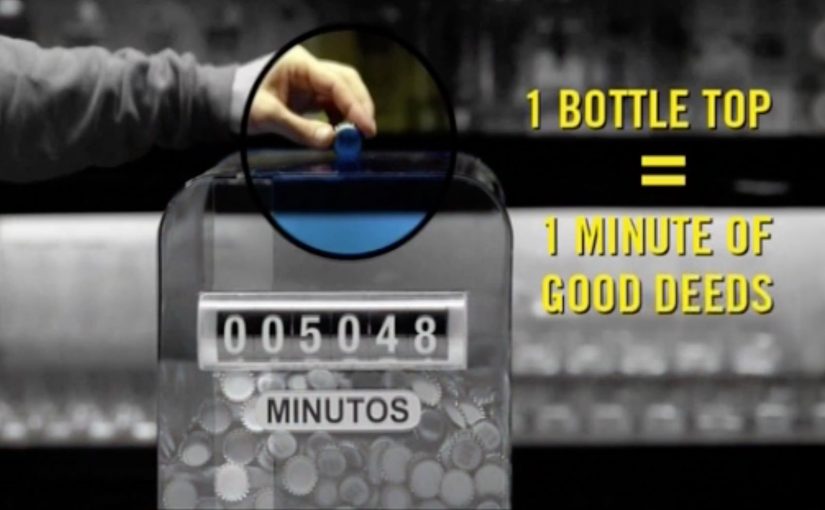
The idea is deliberately simple. For every Norte beer consumed at a bar, the brand donates one minute of time to practical community work, including fixing houses, maintaining parks, and repairing schools. Followers can monitor the donated minutes and the progress made through a dedicated website, which turns “we went for a beer” into a measurable counter of good deeds.

How the “minutes” mechanic works

The mechanic converts consumption into a visible unit of contribution. One beer equals one minute, then the brand performs the work and publishes progress so the audience can see the tally move. The counter is the proof, and the proof is the story people repeat.

In FMCG marketing, especially in categories tied to social rituals, converting a purchase into a transparent, trackable unit of public benefit can reframe indulgence as participation.

Why it lands

It removes the defensiveness from the behavior by giving it a credible upside. The campaign is not asking people to stop going out. It is redirecting the narrative from “pointless drinking” to “we contributed minutes.” The tracking layer matters because it reduces cynicism, since the audience can follow a concrete output rather than a vague promise.

Extractable takeaway: If your category has a guilt narrative, turn the core behavior into a quantifiable unit of visible impact, then publish progress often enough that people can use it as social proof.

What the brand is really trying to win

This is reputation as much as reach. Norte is positioning itself as the beer you can choose without needing to defend the choice later. The community work is the legitimacy, and the “best excuse” line is the social wrapper that helps the story travel.

The real question is whether a beer brand can turn a familiar excuse into a credible, repeatable proof of usefulness.

What to borrow from Norte’s minute logic

  • Make the unit understandable. A minute is easier to grasp than a donation percentage.
  • Design the proof before the film. A public counter and visible work outputs keep the idea credible.
  • Let the audience retell it in one sentence. “Every beer adds a minute” is built for word-of-mouth.
  • Guard the integrity. Transparency and follow-through matter more here than polish.

A few fast answers before you act

What is “The Best Excuse Ever” in one line?

A beer campaign where each Norte beer consumed converts into one minute of real community work, tracked publicly so people can see progress.

Why does the minute-based unit help?

It is concrete and easy to visualize. It also makes progress feel additive, so participation scales naturally with social occasions.

What makes this more credible than typical cause marketing?

The proof mechanism. A visible counter plus documented work outputs reduces the “donation fog” that often makes audiences skeptical.

What is the biggest risk with this approach?

If the brand cannot consistently deliver the promised work, the counter becomes a liability and the campaign reads as opportunism.

When does this model work best?

When consumption is already social and habitual, and the brand can operationally execute real-world outputs at the pace the campaign generates demand.
Andes Beer: Friend Recovery

Following the success of the Andes Teletransporter in 2009, and its reported Grand Prix win at the 2010 Cannes Lions festival, Andes, the No. 1 beer from Argentina’s Andean region, is back with another invention designed to keep friends together for longer.

Andes Friend Recovery (AFR) is a telepresence robot with human features, installed in key bars in Mendoza. The pitch is deliberately simple. You can be “present” at the bar with your friends while still being physically somewhere else, taking care of whatever obligations pulled you away.

A bar table that comes with a remote seat

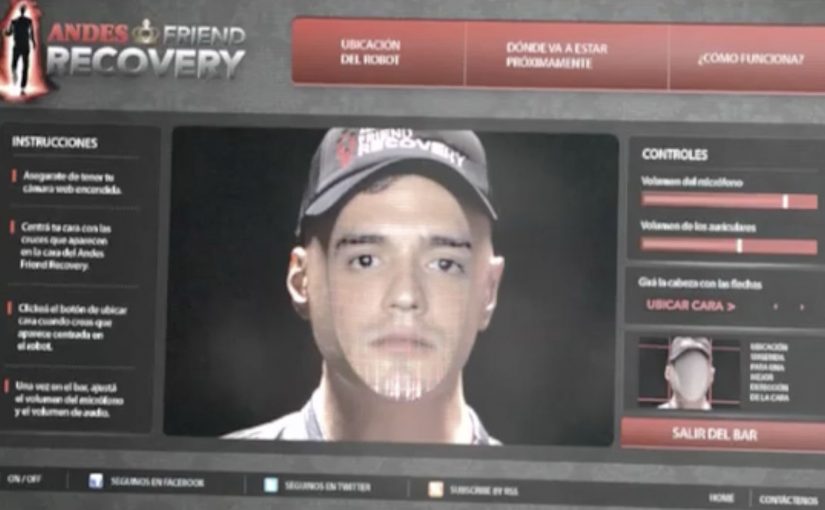
The mechanism is a dedicated AFR table in a bar, plus a robot that becomes your stand-in. Your friends start the session at the table. You authenticate remotely, map your face via webcam, and your live presence appears at the bar through the robot.

This is a physical version of “status update.” Instead of telling friends you will join later, you join now, with viewer control over a real viewpoint and a real conversation happening in real time.

In social, venue-led categories, the easiest growth lever is reducing the friction that ends the occasion early.

The real question is whether you can make “I can’t make it” feel like a solvable problem at the table, not a polite apology in a text thread.

Why the trick works

The appeal is not robotics. It is social continuity. AFR treats friendship as an appointment you should not have to cancel just because you are temporarily stuck elsewhere, and it makes the solution tangible enough to demo in one minute. Because the mechanism turns absence into a visible, physical stand-in, the group gets a concrete reason to keep the occasion going instead of wrapping it up.

Extractable takeaway: When your brand benefit is “more time together,” do not talk about it in slogans. Build a mechanism that removes the one blocker that ends the moment, then make that mechanism visible and easy to explain so people spread it for you.

How it works

  1. Your friends go to a bar and sit at the Andes Friend Recovery table.
  2. They ask for a password which is sent to you via an SMS, while you fulfil your boyfriend duties.
  3. Wherever you are you log in to the AFR page and use the webcam to map your face.
  4. Then you appear at the bar via the Andes Friend Recovery robot.

The numbers the case story leans on

AFR is described as being installed across major bars in Mendoza during October and November 2010. In that period, the campaign is reported to have driven over 2 million website visits, with around 5,000 “recovered” friends.

Friend Recovery moves worth borrowing

  • Remove the exit friction. Target the one blocker that ends the occasion early, then design the experience to neutralize it.
  • Make the mechanism instantly demoable. If the benefit is “more time together,” a visible, one-minute explanation travels further than a slogan.
  • Keep the framing playful. Anchor the joke in friendship and social continuity, not in teaching deception, so the stunt does not backfire.

A few fast answers before you act

What is Andes Friend Recovery?

It is a bar activation using a telepresence robot so a person can appear at a bar table remotely via webcam while being physically somewhere else.

What is the core mechanic that makes it feel “real”?

Two-way presence. Your face and voice show up at the table, and your friends interact with a physical avatar in the bar, not just a chat window.

Why does this count as experiential marketing, not just a film idea?

Because the primary value is delivered by a real installation in real bars. The video is the distribution layer, but the product is the experience.

What makes a stunt like this risky for the brand?

Tone and social framing. If it feels like a “how to lie” tutorial, it can backfire. It works best when it stays in playful exaggeration and focuses on friendship, not deception.

What should you measure if you try a “remote seat” activation?

Track whether the mechanism extends time together (session length and repeat use) and whether the demo travels (views, shares, and visits), then compare results to normal nights without the installation.

Andes Beer: The Teletransporter

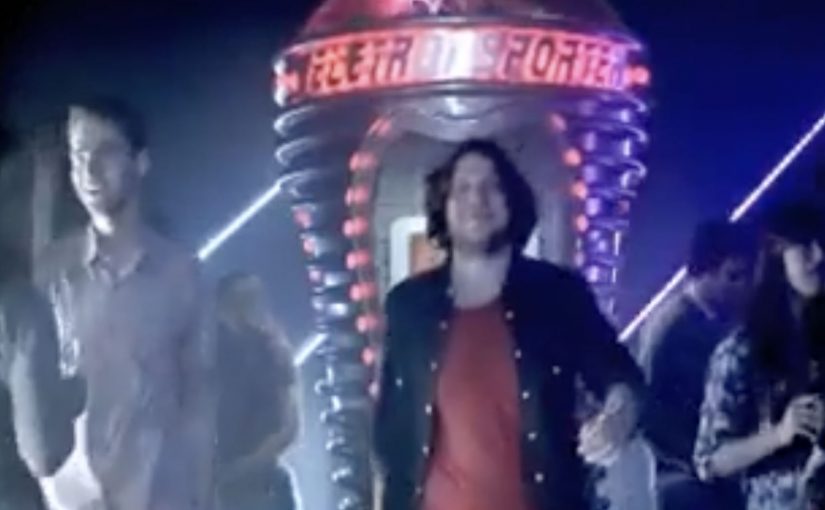
In order to get more men to the bars to drink beer, Andes, the leading beer in Mendoza, Argentina, goes ahead and creates the “Teletransporter”. It is a soundproof booth inside a bar that plays selectable ambient sound effects so a caller hears a believable environment.

The promise is cheeky. Men can stay out longer with friends without triggering the usual “where are you” friction at home.

A booth that lets you be “out” without leaving the bar

The mechanism is a soundproof booth placed inside bars. Step in when the phone rings, pick a believable background, and let the audio do the convincing. Traffic. Office ambience. Family situations. Anything that sounds like you are somewhere other than a bar.

In consumer beer marketing, the fastest path to more consumption is often removing a social friction that makes people leave early.

Why it lands, even with the obvious moral wobble

The idea works because it is built on a truth the audience recognizes instantly, and then turns that truth into a physical product-like solution. The “invention” format makes it feel playful rather than preachy, and the booth makes the benefit tangible.

Extractable takeaway: If your category depends on time spent in a context, design an intervention that reduces the one reason people exit early. Then turn that intervention into a visible, demo-able object so the story spreads without explanation.

The real question is whether you can turn a taboo insight into a playful, tangible demo without making the audience feel judged.

Brands should treat deception as the punchline, not the instruction, and walk away if the work cannot stay in obvious exaggeration.

That said, the premise depends on deception, and the tone matters. The execution frames it as a comic release valve rather than advice, which keeps the work in “bar joke” territory instead of “relationship handbook” territory.

How to borrow the Teletransporter move

The teletransporter is not only a film idea. It is a bar-side utility that creates a reason to stay for “one more,” and a reason to talk about Andes after the night ends.

  • Target the exit trigger. Identify the one social friction that makes people leave early, then design the smallest intervention that reduces it.
  • Make the benefit tangible. Turn the intervention into a visible, demo-able object in the venue so the story spreads without explanation.
  • Police the tone. Keep it firmly in playful exaggeration, or it can read as mean, misogynistic, or genuinely encouraging dishonesty.

A few fast answers before you act

What is the Andes Teletransporter?

It is a soundproof booth installed in bars that plays selectable ambient sound effects so callers hear a believable environment, making it easier for someone to take a call and claim they are not at the bar.

Why does this count as experiential marketing?

Because the core benefit is delivered through a real object in a real venue. The film is the amplification. The booth is the experience.

What is the key mechanism that makes it spread?

Instant retellability plus demonstration. People can explain it in one line, and the booth can be tried and recorded on the spot.

What makes the Teletransporter feel like a “product”?

It packages a familiar tension into a usable utility in the venue. A named object with a clear function is easier to try, film, and retell than a one-off joke.

What is the biggest brand risk in ideas like this?

Tone. If it feels mean, misogynistic, or genuinely encouraging dishonesty, it can backfire. The execution needs to stay firmly in playful exaggeration.