
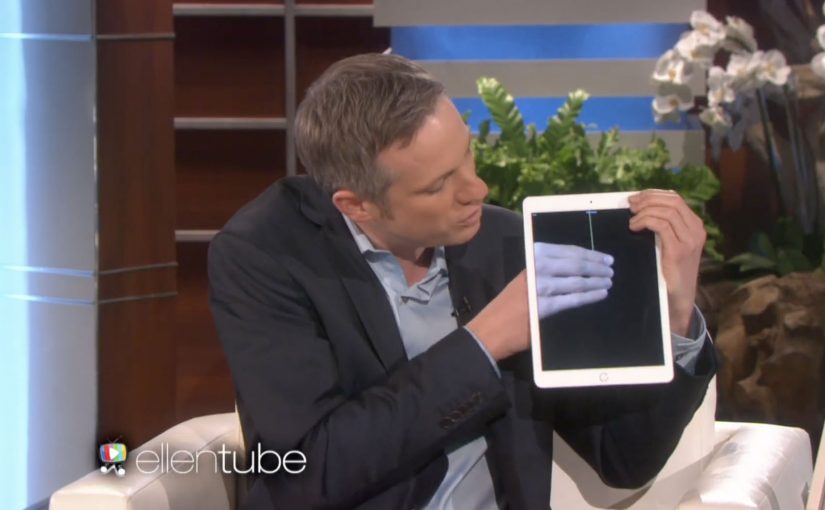
Simon Pierro: iPad Magic on Ellen

Simon Pierro: iPad Magic on Ellen

An iPad becomes a stage prop. Photos, objects, and interfaces behave like they can leak into the real world. That is the whole hook of Simon Pierro’s “digital magic”, and it plays especially well on a talk-show set. Here, “digital magic” means classic sleight of hand staged through a device interface so the screen appears to affect the physical world.

Simon Pierro is a digital magician from Germany who takes audiences to places they’ve never been, using a technological marvel they know and love, an iPad.

His latest performance was on The Ellen DeGeneres Show at the massive Warner Bros. studio complex in Hollywood. Here he treated Ellen DeGeneres and her enthusiastic audience to some of his best tricks, including his newest illusion, an iPad selfie.

Why “digital magic” works as a format

The mechanism is familiar stagecraft wrapped around a modern interface. The iPad provides a believable frame for impossible transitions, because everyone already understands screens, apps, photos, and swipes.

Extractable takeaway: Wrap your “impossible” moment in a familiar interface so the reveal reads instantly and can be retold without extra explanation.

In consumer technology and entertainment media, demos travel further when they feel like a performance, not a product explanation.

The moment that sells the illusion

The strongest beats are the ones that collapse distance between screen and reality. When a selfie or a photo becomes “physical”, the audience gets a clean before-and-after moment that is easy to retell and easy to clip.

The real question is whether your demo is built to be retold, not just understood.

If you market experiences, you should treat the demo as performance first and explanation second.

How to stage experience demos people retell

  • Use a prop people already trust. Familiar devices make impossible outcomes feel temporarily plausible.
  • Design for one clear closer. A single “how did that happen” finale gives the video its replay value.
  • Keep the story inside the frame. The best tricks look self-contained, so viewers do not need context to enjoy them.

A few fast answers before you act

What is “digital magic” in simple terms?

It is classic illusion and sleight of hand staged through modern devices, so screens, apps, and media become part of the trick.

Why does iPad magic perform well on TV and online?

Because the visuals read instantly and the reveals are clean. You do not need language or setup to understand the surprise.

What is a “signature reveal”?

It is the one moment you want viewers to remember, the clean switch from normal to impossible that carries the message on its own.

What makes a trick “shareable” as video content?

A tight sequence of cause and effect. You see the normal state, then the impossible state, and the clip ends before the mystery dissolves.

How do you translate this into brand work without copying it?

Borrow the structure. Use a familiar interface, create one signature reveal, and anchor the message in a single visual moment people can retell.

Popcorn Indiana: The Popinator

Popcorn Indiana: The Popinator

You say “pop”. A machine swings toward you and launches a single piece of popcorn into your mouth.

Thinkmodo created “The Popinator”, a gadget built as a playful piece of brand content. It is presented as a voice-triggered system that can pinpoint where the spoken word originated in a room, then fire popcorn in that direction. Popcorn is described as being shootable up to 15 feet, and the device is described as intended for indoor use.

How the gag is engineered

The mechanism is deliberately simple to explain. A keyword prompt. Direction finding. A rotating launcher. One kernel per “command”. The build turns a familiar snack habit into a mini spectacle that feels like a “future gadget”, even if you never plan to own one.

In consumer marketing where product messages blur quickly, a physical prop that demonstrates one absurdly clear benefit can generate more talk than another round of feature claims.

Why it lands

It works because it compresses the whole story into a single, repeatable moment. Say the word. Watch the machine react. See the payoff. The format is built for office viewing, quick sharing, and the social proof of “we tried it and it actually did something”.

Extractable takeaway: If you want earned reach fast, create a one-line premise people can test in their heads instantly, then design the payoff so it reads clearly on camera without explanation.

What the brand is really buying

This is not only about popcorn. It is about attention and imagination. The Popinator reframes an everyday product as something playful and engineered, then lets the internet do the distribution work by debating whether the gadget is “real” and how it works. The real question is whether one absurd, repeatable demo can make a commodity snack feel worth talking about. The stronger brand move here is making the behavior memorable, not pretending the hardware is the story.

What to borrow from The Popinator

  • Build a single, legible “demo moment”. One trigger. One reaction. One payoff.
  • Make the prop do the talking. The less narration required, the more shareable the clip becomes.
  • Design for repeat attempts. Repetition is content when the mechanism is satisfying to watch.
  • Let curiosity drive comments. “Is it real” is a distribution engine when handled responsibly.

A few fast answers before you act

What is The Popinator?

A popcorn-launching machine created as brand content, presented as firing kernels toward whoever says the word “pop”.

What is the core mechanism?

A keyword prompt triggers direction-finding, then a rotating launcher fires one kernel toward the sound source.

Was it a real product you could buy?

It is presented as a prototype-style gadget for content. Some coverage from the time frames it as a marketing stunt rather than a commercial device.

Why do “fantasy gadget” videos travel so well?

They borrow the credibility of product demos while delivering entertainment. Viewers share them as a mix of “I want this” and “no way this is real”.

What is the safest reusable lesson for brands?

Turn a mundane product habit into a surprising, visual demonstration that can be explained in one sentence and enjoyed in under a minute.

La Senza: The Cup Size Choir

La Senza: The Cup Size Choir

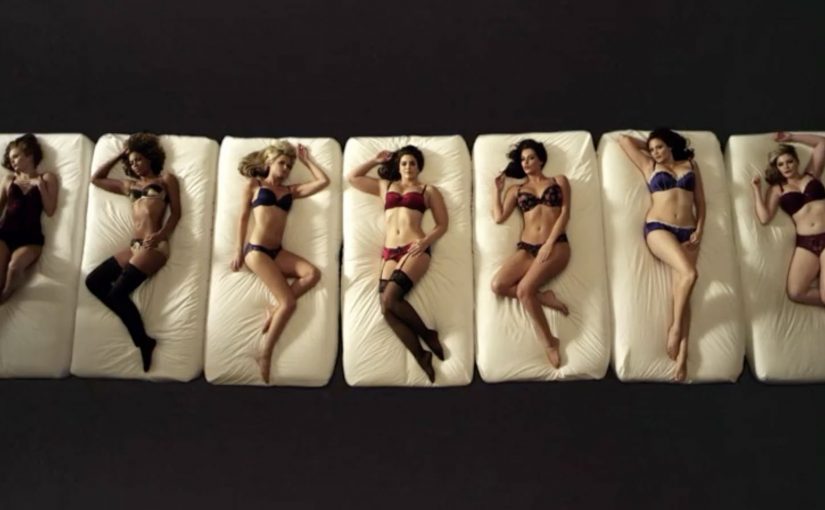
In this holiday video from London ad agency Karmarama, Canada-based lingerie maker La Senza presents a novel Christmas choir. Women in their underwear lie on a puffy piano, each singing the musical note represented by their bra size, from A to G.

A Christmas choir built from cup sizes

The hook is immediate. A to G becomes a scale. The set becomes a keyboard. The cast becomes the instrument. It is a simple idea that explains itself in seconds, and it gives the viewer a reason to watch again just to catch how the “notes” are assigned.

How the mechanic sells the range

Instead of listing products, the film turns product variety into a performance system. Each cup size is framed as a distinct note, and the choreography is built around sequencing those notes into a familiar holiday tune.

In holiday retail marketing, the quickest way to earn attention is to turn the product range into entertainment people can instantly understand.

Why it lands as a share

The format is cheeky, high-contrast, and easy to summarize. That makes it naturally social, because people can describe it in one sentence and still do it justice. The “keyboard” visual also creates a clear pattern, so even casual viewers feel like they are in on the joke.

Extractable takeaway: When your product offer is breadth, not one hero feature, convert that breadth into a simple system the audience can see and repeat, and the message sticks without explanation.

The intent behind the wink

This is brand entertainment with a retail job to do. It keeps La Senza top-of-mind during a gifting season and spotlights that the brand serves a wide range of sizes, while the tone keeps it light enough to travel beyond existing customers.

The real question is whether the performance makes that size range memorable enough to travel beyond the existing customer base.

How to turn range into a shareable system

  • Make the organizing idea visible. A to G as notes is instantly legible.
  • Use a familiar frame. A holiday tune lowers comprehension cost.
  • Sell the range without “catalog copy”. Show variety as a system, not as a list.
  • Keep the runtime tight. Short spectacle beats long explanation for sharing.
  • Let the craft do the persuasion. Production, choreography, and rhythm carry the message.

A few fast answers before you act

What is the core idea of The Cup Size Choir?

Assign musical notes to bra cup sizes and build a performance that turns product range into a simple, watchable system.

Why does this work as holiday advertising?

It is easy to understand, easy to retell, and it uses a seasonal structure people already recognize, so the message lands quickly.

What is the main brand message?

That the brand offers a broad size range, communicated through entertainment rather than product claims.

What is the biggest risk with this kind of execution?

If the tone feels gratuitous or distracting, the audience remembers the stunt but forgets the brand or the point.

How can a different category copy the approach safely?

Translate “range” into a clear system. Use a familiar cultural frame. Keep the mechanic obvious, and let the craft carry the story.