
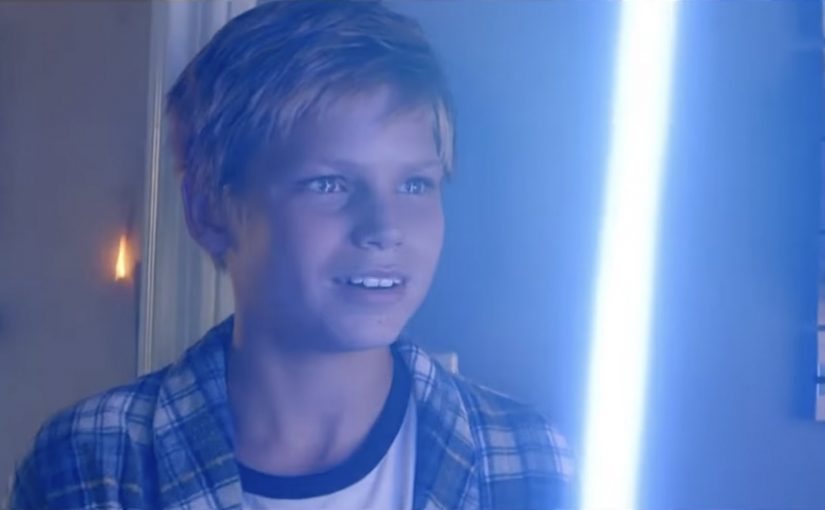
Duracell: The Battle for Christmas Morning

Star Wars is a marketing phenomenon every brand wants to be part of. Disney signed up seven brands for what it described as an expansive promotional campaign. The brands included Covergirl, Max Factor, Duracell, FCA US, General Mills, HP, Subway and Verizon, each developing custom work for Star Wars: The Force Awakens.

Since Star Wars is the biggest and most talked about event of 2015, this makes a fitting last post of the year for Ramble. Here is a Duracell Star Wars TV ad that is described as having already generated over 15 million views on YouTube.

How the partner machine works

The mechanism is straightforward. A tentpole film recruits a small set of major brands, then those brands translate the movie into retail moments, household rituals, and repeatable creative formats that can run for weeks.

In global blockbuster launches, promotional partner programs scale a single release into many consumer touchpoints before opening weekend.

Why the Duracell idea fits the moment

Duracell chooses a natural bridge. Star Wars lives in toys, imagination, and living-room play. Batteries are the invisible enabler of that play. So the brand does not need to borrow the story world awkwardly. It simply powers it.

Extractable takeaway: When you attach to a cultural franchise, pick the most “native” role you can own in the experience, then dramatise that role in a scene people recognise from real life.

What to steal from this kind of film tie-in

  • Start from a product truth. The partnership works when the brand’s role is unavoidable, not decorative.
  • Anchor in a ritual. Christmas morning is a ready-made attention moment that does the distribution work for you.
  • Use the franchise as a texture. The brand still needs its own reason to exist inside the story.
  • Keep the message simple. One benefit, one scene, one emotional beat is enough in a seasonal spot.

A few fast answers before you act

What is this Duracell Star Wars spot doing in one sentence?

It uses Star Wars as a backdrop to make a simple point. Duracell powers the toys and imagination that fuel Christmas-morning play.

Why do big films recruit promotional partners?

Partners add reach, retail presence, and repeated reminders across categories, extending awareness beyond trailers and cinema media.

What makes a franchise tie-in feel authentic?

The brand has a clear, credible job in the experience, and the creative shows that job rather than forcing a logo into the story.

What is the main risk with “everyone wants in” moments?

Generic sameness. If the brand role is not distinct, the work becomes interchangeable and the franchise overshadows the message.

What should you measure beyond views?

Brand recall linked to the benefit, retail lift in the seasonal window, and whether the partnership creates a repeatable platform for future campaigns.
Carrie: Telekinetic Coffee Shop Surprise

A coffee shop that turns into a horror scene

Carrie is an upcoming 2013 American supernatural horror film. It is the third film adaptation of Stephen King’s 1974 novel of the same name.

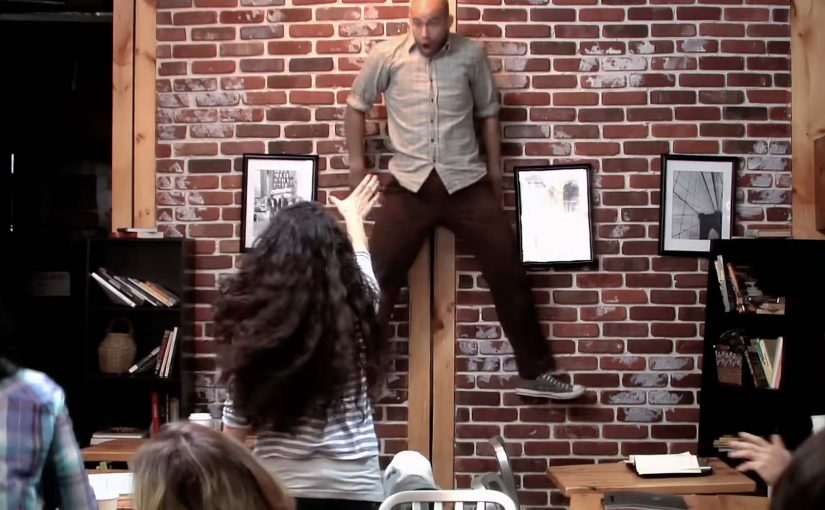
To promote the remake, Sony (with help from Thinkmodo) outfits a small coffee shop in New York with remote-controlled tables and chairs, a fake wall used to “levitate” a guy, and books that fly off the shelves by themselves. An actor takes on the role of Carrie and sets up innocent customers for a prankvertising experience they do not see coming.

The mechanic: practical effects plus hidden cameras

The execution works because the effects are physical, not “post.” Furniture moves with real force. Books drop in real time. A wall gag sells the impossible moment. Hidden cameras then capture reactions that read as instinctive rather than performed, which is exactly what makes the video rewatchable and shareable.

In entertainment launches, engineered “you had to be there” moments are a reliable way to turn a theme into conversation without relying on a trailer.

Why it lands

The spot uses a tight emotional sequence. Normal. Confusion. Escalation. Relief. Then laughter. That arc matches how people actually experience a scare, and it gives viewers permission to share it because the payoff is reactions, not cruelty. It also maps cleanly onto the film’s core promise. Something supernatural breaks into an everyday setting, and nobody is ready for it.

Extractable takeaway: If you are selling a feeling (fear, awe, suspense), stage a believable real-world trigger that creates the feeling first, then let the audience’s reaction become your proof and your distribution.

What to steal

  • Make the premise legible in five seconds. Coffee shop. Spilled drink. Sudden shift. No explanation needed.
  • Use practical cues that cameras can’t fake. Real movement and real sound sell “impossible” faster than clever editing.
  • Keep the reveal product-aligned. The stunt matches the movie’s supernatural premise, so it feels like an extension of the story world.
  • Design for safe escalation. Intensity rises, but the scene resolves quickly enough that sharing feels fun, not disturbing.

A few fast answers before you act

What is the “Telekinetic Coffee Shop Surprise” for Carrie?

It is a staged hidden-camera stunt where a “Carrie” character appears to use telekinesis in a New York coffee shop, creating a real-world scare moment to promote the 2013 remake.

What is the core mechanic that makes it believable?

Practical effects in a real environment. Remote-controlled furniture, triggered props, and a wall gag create physical proof, and hidden cameras capture genuine reactions.

Why is this format effective for film marketing?

It demonstrates the film’s emotional promise in the real world, then turns audience reactions into shareable content that travels farther than a standard promo clip.

What makes prankvertising work without backlash?

When escalation is controlled, participants are not humiliated, and the payoff is relief and laughter. The moment should feel surprising, not harmful.

What’s the main transferable lesson?

Stage the feeling first. If you can reliably create the intended emotion in a real setting, the audience will do the storytelling for you.