
Euro RSCG: Foursquare Mayor Recruitment

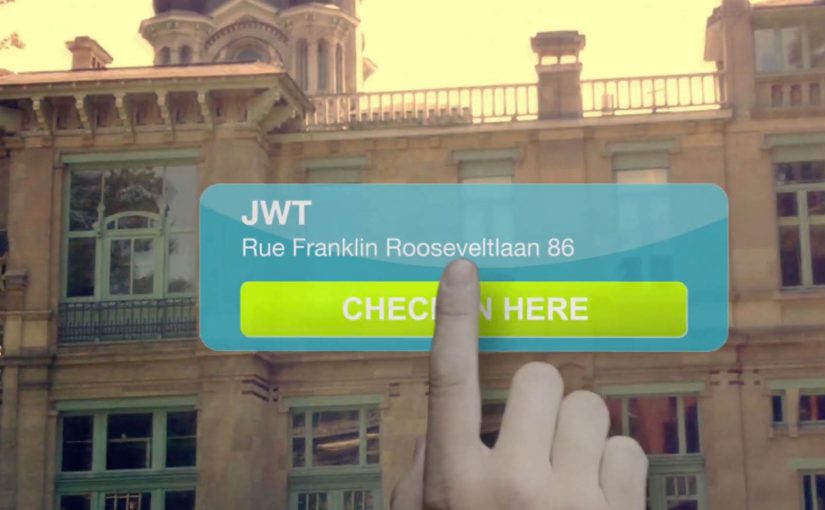
Guerrilla recruitment via social channels is gaining popularity among agencies. In this example, Euro RSCG Brussels used Foursquare to seek out digital talent.

The team at Euro RSCG drove around Brussels every day and checked in at leading agencies. After they became the “Mayor” of targeted agencies, they released their recruitment messages.

Foursquare as a recruitment billboard

The mechanism is simple and slightly mischievous. Foursquare rewards repeated check-ins at a venue with the “Mayor” status. Euro RSCG uses that status as the placement, then drops hiring messages where competitors’ people are most likely to notice them. It works because the platform-granted title creates visible relevance at the exact venue where rival talent is already paying attention.

In competitive digital-talent markets, employer branding works best when it shows up inside the daily tools and rituals your target audience already uses.

Why it lands

It is instantly understandable, and it leverages a public platform rule rather than buying attention. The move also signals confidence. “We are willing to compete for talent in plain sight.” Used with restraint, this is a smart recruiting idea because it turns ordinary check-in behaviour into targeted employer visibility. The real question is whether the platform rule makes the message feel natively relevant or just makes the stunt feel intrusive. At the same time, it walks a fine line. If it feels like harassment rather than humour, the tactic can backfire.

Extractable takeaway: If you use a social platform as a recruiting channel, make the entry mechanic native to the platform and keep the message playful, specific, and respectful, or it will read as desperation.

Other examples of agencies using social media to attract talent are:

Recruitment moves worth borrowing

  • Target by context, not by demographics. “Where do the people I want already spend attention?” is often the better question.
  • Use platform rules as media. When the channel itself creates the placement, participation feels less like advertising.
  • Keep the call to action tight. One clear role or value proposition beats generic “we’re hiring.”
  • Anticipate the ethics. If you would not want a competitor doing it to you, adjust tone and frequency.
  • Design for screenshots. If the message is worth sharing, the audience will distribute it for you.

A few fast answers before you act

What is the Euro RSCG Foursquare idea in one sentence?

It is a recruitment tactic where Euro RSCG repeatedly checks in at competitor agency venues on Foursquare, becomes “Mayor,” then posts hiring messages to reach digital talent.

Why does “Mayor” status matter?

Because it is a visible, platform-granted position at a location. That makes the recruitment message feel placed “inside” the venue’s social layer rather than pushed from outside.

What makes this more effective than a standard job post?

It targets people by environment and habit. The message shows up where relevant talent is likely to be, not where job ads usually live.

What is the main risk?

Reputation. If the move feels aggressive, disrespectful, or creepy, it can damage employer brand faster than it attracts candidates.

How do you measure success?

Qualified inbound applications attributed to the tactic, social sharing and sentiment, and whether awareness among the intended talent pool increases without negative backlash.

Jung von Matt: Trojan Art Director

Jung von Matt is looking for talent again, this time art directors. Staying true to its creative reputation, the agency devised a cheeky way of recruiting from the same places competitors recruit from.

This time the “Trojan horses” were 15 well-known photographers whose work is regularly shown to top creative agencies in Germany. Here, “Trojan horses” means recruitment messages hidden inside portfolio work that creative departments already review. Jung von Matt’s job message was integrated into the photographers’ portfolios. An inscription on a bus. A graffiti on a wall. A stitchery on a pullover. The job ad appears inside the work, right where art directors and creatives are already paying attention.

Recruitment as a stealth placement inside creative culture

The mechanism is elegant. Instead of pushing job ads outward, the agency inserts them into a trusted distribution channel. Photographers’ portfolios are already a legitimate reason to visit creative departments. By embedding the hiring message into those images, the job ad arrives with credibility and surprise built in.

In agency recruitment, the most effective messages often travel through peer-to-peer channels where creative people already look for inspiration.

Why it lands

It respects the audience. Art directors do not want HR language. They want ideas. The recruitment message shows up as an idea. The “spot it” moment also creates a small status game. If you notice it, you feel like an insider, which is exactly the emotion you want associated with joining a top creative shop. This is a smart recruitment idea because it proves the agency’s creative standard in the act of recruiting.

Extractable takeaway: If you recruit creative talent, do not only describe the culture. Deliver the culture as a recruiting experience. The medium should prove the message.

What Jung von Matt is really doing here

Beyond hiring, this is reputation maintenance. The campaign reinforces the belief that the agency thinks differently, even about recruitment. The real question is whether your recruiting message proves the kind of culture and craft the role promises. It also targets a very specific context. The moment when competitors are reviewing portfolios and looking for talent. That is when the message is most likely to be acted on.

What to borrow from this recruitment play

  • Place your message in a trusted channel. Borrow the legitimacy of a format your audience already values.
  • Integrate, do not interrupt. Embedding the ad inside the creative work makes it feel like discovery, not spam.
  • Make the message audience-native. Speak in the language of the craft, not corporate templates.
  • Target the decision moment. Put the offer where hiring intent already exists.
  • Keep it simple. One clear role, one clear next step, no clutter.

A few fast answers before you act

What is the “Trojan Art Director” idea in one sentence?

It is a recruitment tactic where Jung von Matt embeds job messages inside photographers’ portfolio images that are regularly shown to top agencies, reaching art directors in-context.

Why are photographers’ portfolios a powerful distribution channel?

Because they are already viewed by creative departments and talent decision-makers. The audience is qualified and attention is high.

What makes this feel credible rather than gimmicky?

The message is integrated into real creative work and appears in a context where creativity is the currency. That makes the format match the audience expectation.

What is the main risk with stealth recruiting?

It can be perceived as hostile or disrespectful by peers if the tone is too aggressive. The balance is “cheeky” rather than “petty.”

How do you measure success for a recruitment stunt like this?

Qualified applications for the specific role, referral volume from the creative community, and whether employer brand perception improves among the target talent pool.

Draftfcb: In Your Face Recruitment Hack

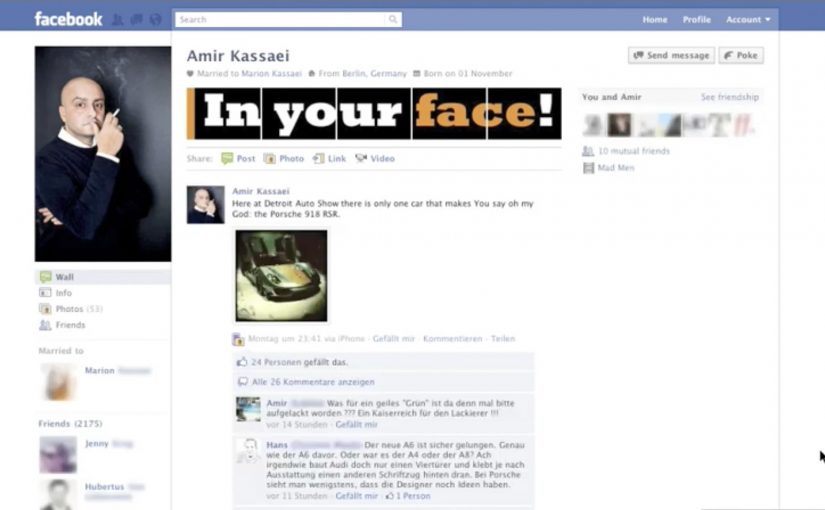
Draftfcb Germany is the latest ad agency to join the trend of tactically using social media for recruitment. In this case, they use Facebook’s redesigned profile layout to spread their hiring needs to a highly targeted advertising audience.

Recruitment message, delivered as a profile takeover

The mechanism is a simple interface hijack. Instead of posting a job ad and hoping people click, the recruitment message is built into the profile itself, so anyone landing on it experiences the “In Your Face” moment immediately. It is native to the platform, and it travels through the same social graph pathways as any other profile view.

In competitive hiring markets, social recruiting works best when the message shows up inside the places people already browse, rather than asking them to switch into “job search mode.”

Why it lands

This is not a deep story. It is a sharp pattern interrupt. That means the familiar Facebook profile suddenly behaves like a recruitment billboard, which makes the message easy to recognize and easy to forward to the right peers. The profile becomes the ad unit, the ad unit becomes a talking point, and the talking point becomes a referral engine as people share it with the exact peers who might fit.

Extractable takeaway: If you want a recruitment message to spread inside a community, put it where the community already looks, and make the first two seconds instantly legible without requiring a click.

The real question is whether the profile itself can carry the hiring message strongly enough to spread through the right creative network without needing a click. This is a smart recruitment move because it converts ordinary profile views into immediate message delivery and referral fuel.

Recruitment moves worth borrowing

  • Use the platform’s default surfaces. If the profile is the most-viewed asset, make that the canvas.
  • Design for “seen in passing.” The message should register at scroll speed.
  • Make it referable. The best recruitment creative gives insiders something easy to forward to insiders.
  • Keep it role-specific. If you want a “select advertising audience,” avoid generic “we’re hiring” language.
  • Respect the line. If the takeover feels spammy or deceptive, it damages employer brand more than it helps.

A few fast answers before you act

What is “In Your Face” in one sentence?

It is a Draftfcb Germany recruitment idea that turns Facebook’s profile layout into a visual hiring message that spreads through normal profile views and shares.

Why use a profile takeover instead of a standard job post?

Because it removes friction and increases certainty. The viewer immediately understands the intent without leaving the platform or clicking through.

What makes this tactic “targeted”?

It travels through an industry social graph. The people most likely to see it are connected to the agency, its staff, or the wider creative community.

What is the biggest risk with this approach?

Novelty decay. Once the trick is familiar, it stops being a conversation piece, so the idea needs either a short run or variations.

What should you measure if you do something similar?

Qualified inbound candidates, referral volume from employees and peers, share rate inside relevant networks, and sentiment about the employer brand.