
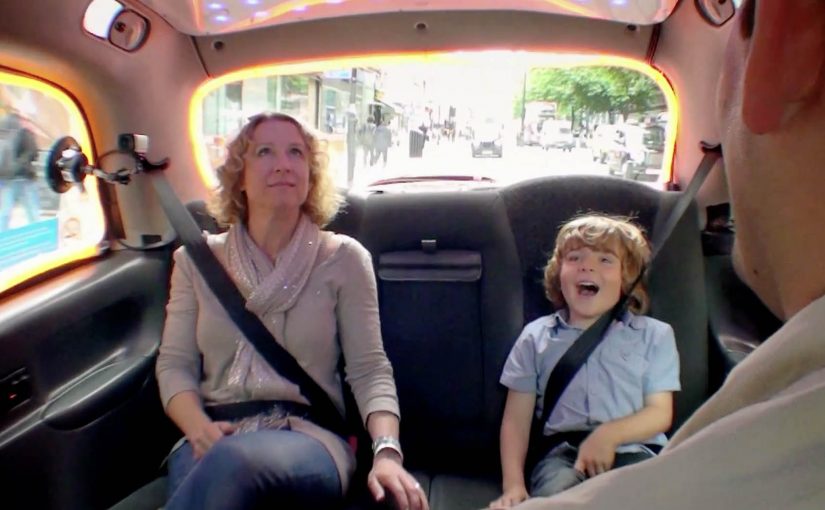
LivingSocial: Roll the Dice Taxi

Taxis are becoming a great media for unexpected advertising. In London, LivingSocial takes over an everyday cab and turns it into a surprising, delightful experience.

The objective is simple. Create buzz around the LivingSocial website and showcase the variety of discounts in a way that feels like a story, not a sales pitch.

A taxi ride with a fork in the road

When unsuspecting passengers hail this special taxi and get inside, they are offered a choice. Carry on to their original destination, or “roll the dice” and go for an experience instead.

The decision is the hook. The passenger stays in control, but the brand turns that control into a game, and the game turns a normal ride into a memorable narrative.

In urban commuter cities, a taxi ride is one of the few time-boxed moments where a brand can own the environment end-to-end.

Why the gamble is more persuasive than the pitch

This works because it reframes discount discovery as adventure. The “roll the dice” option creates a moment of suspense, and suspense buys attention better than any list of offers ever will.

Extractable takeaway: If you sell a broad catalogue of offers, do not lead with the catalogue. Lead with a simple, voluntary choice that creates emotional momentum, then let the catalogue appear as the natural payoff for choosing to play.

While the ride plays out, the experience is described as feeding contestants a long stream of sales information. The trick is that the information arrives while the passenger is already invested in what happens next, so it feels like part of the ride rather than an interruption.

The real business intent behind the stunt

At the surface, this is “surprise and delight.” The real question is whether you can turn an everyday ride into a voluntary choice people want to retell. Underneath, it is a conversion engine. It demonstrates the breadth of deals, pushes people into trying something they would not normally consider, and gives them a story they want to retell.

Steal this pattern for city-scale activations

  • Offer two paths. A safe default and a bold option. The contrast makes the bold option irresistible.
  • Make the choice voluntary. Consent turns skepticism into curiosity.
  • Let the content ride shotgun. Teach benefits during the experience, not before it.
  • Design for retellability. Make the twist easy to repeat in one sentence, like “a taxi that lets you roll the dice for a surprise destination.”

A few fast answers before you act

What is the LivingSocial Taxi Experiment?

It is a branded taxi experience where passengers can either continue to their original destination or roll the dice and be taken to a surprise experience that showcases LivingSocial deals.

Why does the “roll the dice” mechanic work?

It creates suspense and a sense of ownership. The passenger chooses the gamble, which makes the experience feel like their story, not the brand’s stunt.

What is the key mechanism that makes this shareable?

A clear, explainable twist on a familiar behavior. Taking a taxi becomes a game with a surprising payoff, which people naturally want to describe to friends.

How do you adapt this pattern without a taxi fleet?

Find a time-boxed environment you can fully control, introduce a simple forked choice, and make the “bold” path deliver a visible, memorable payoff that naturally carries your product story.

What is the simplest way to judge if it worked?

If people can retell the twist in one sentence and explain why they chose the bold path, you built something that travels beyond the ride.
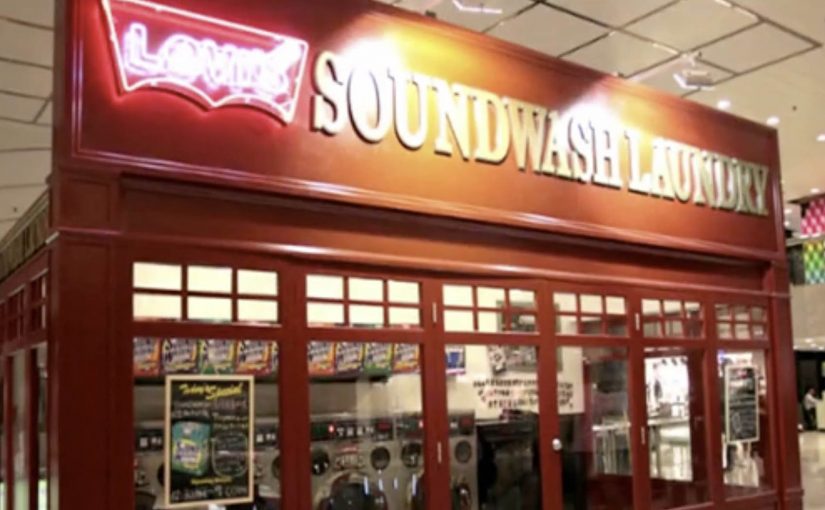
Levi’s: Soundwash

You pick a Levi’s Square Cut style, choose a music genre, then “Soundwash” the jeans, meaning you pair the selected cut with a music mix through a washing-machine-style interface. The idea gives young audiences a new way to express themselves by turning denim selection into a brand and music experience, not just a purchase.

TBWA\TEQUILA Hong Kong and Levi’s Hong Kong developed Soundwash for the Square Cut collection featuring five new styles of jeans. Soundwash runs as a multi-dimensional interactive experience that lets the audience choose their favourite jeans style and then “Soundwash” the jeans to their favourite style of music, including rock, hip hop and Cantopop, across multiple platforms.

Creatively, Soundwash rediscovers the authenticity of the classic American laundry and collides it with cutting-edge music styles to create a distinct brand experience using a Soundwash “machine”. The concept is supported by limited edition packaging and gift accessories, a Soundwash Laundry pop-up store in high traffic Tsim Sha Tsui, a branded iPhone game app, a website, and an online viral video featuring local music band Mr.

A laundromat you can control with music

The mechanism is a tight participation loop. Start with a product choice, then translate that choice into sound. Shoppers select a Square Cut style, then pick a music mix to “Soundwash” it, using the Soundwash “machine” as the interface that makes the metaphor feel physical and real.

In youth fashion markets where denim is a social signal and music is identity language, interactivity works best when it lets people express taste choices in public, not just consume a message in private.

Why it lands

This works because it turns a collection launch into something you can play with. The laundry metaphor makes the experience instantly legible, and the music layer makes it personal. You are not only choosing jeans, you are choosing a vibe, then “performing” that choice through the machine, the pop-up, and the shareable formats.

Extractable takeaway: If you want a product line to feel like culture, build one repeatable interaction that lets people express taste, then extend it across retail, packaging and mobile so the same idea shows up wherever the audience moves.

How the app makes it competitive

The Soundwash iPhone app includes a game where friends can compete to see who can Soundwash the most jeans in 30 seconds. The top scorer of each week receives a pair of Levi’s Square Cut jeans, which turns the app from a novelty into a reason to return and to challenge others.

The real question is whether the campaign can turn one moment of playful customization into a repeatable social behavior that keeps the collection in circulation.

Levi’s makes the right call by using the app to extend the same interaction rather than treating mobile as a separate stunt.

Steal the denim-and-music playbook

  • Turn selection into performance. Make the act of choosing feel like self-expression, not decision fatigue.
  • Use one clear metaphor. “Laundry” is a simple frame that supports multiple touchpoints without explanation.
  • Build a retail anchor. A pop-up makes the digital idea feel tangible and photogenic.
  • Add a competitive loop. Time-boxed play plus weekly rewards creates repeat usage and social pull.

A few fast answers before you act

What is Levi’s Soundwash?

A Levi’s Hong Kong Square Cut activation that combines denim and music. People choose a style, then “Soundwash” it to a music mix via an interactive machine and supporting digital experiences.

What is the core mechanism?

Product choice plus music choice, expressed through a “Soundwash machine” interaction, then extended into a pop-up, packaging, app, website, and a viral video featuring local music band Mr.

Why use a laundromat metaphor?

Because it is instantly understood and visually rich. It makes the experience feel physical, and it gives the campaign a consistent world across touchpoints.

What role does the iPhone app play?

It adds competition and repeat engagement through a 30-second game format, plus weekly rewards that encourage people to come back and challenge friends.

What is the most reusable lesson here?

When you are selling self-expression, design one simple interaction that makes taste visible, then let that interaction travel across retail, digital, and social formats.