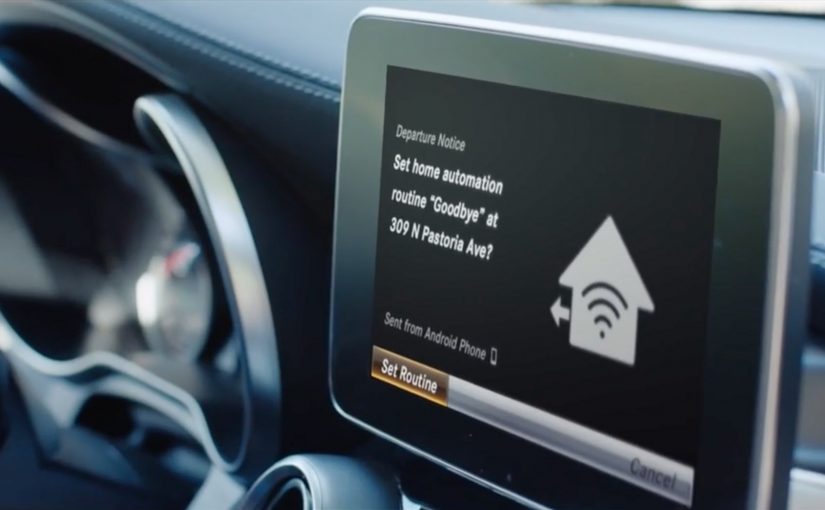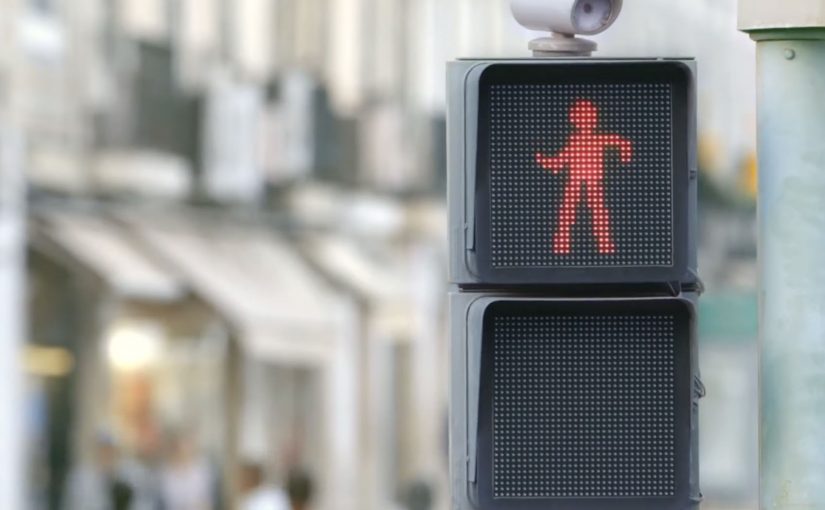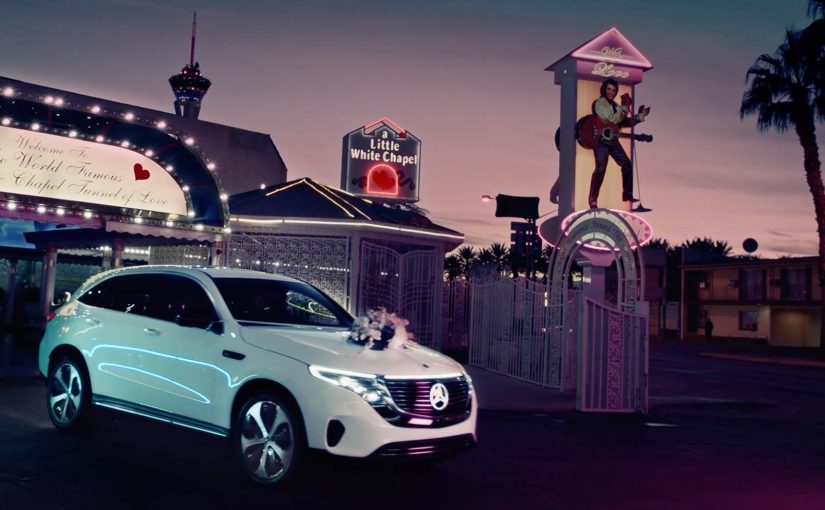
For the world premiere of their new Mercedes-Benz EQC at CES 2019 in Las Vegas, Mercedes transformed their new model into a wedding carriage. Four lucky couples were invited to test drive the new Mercedes-Benz EQC on the roads of Las Vegas and experience its special A.I. features first hand. In this context, “A.I. features” refers to the in-car intelligent functions Mercedes chose to demonstrate during the drive.
The real question is how you make a new, tech-heavy product feel experienceable in minutes, not explainable in slides.
Why this launch twist works
By wrapping a CES tech premiere in a wedding ritual and putting couples behind the wheel, Mercedes turns abstract capability into visible behavior. The ritual creates instant stakes and attention, so the A.I. moments are noticed as part of a real drive, not as claims.
Extractable takeaway: If your features are hard to describe, borrow a human ritual people already recognize so the experience carries the technology.
- It turns a product reveal into a story. A “wedding carriage” reframes a tech premiere into an experience people immediately understand.
- It makes A.I. tangible. Instead of describing features on a stage, it puts them into a real drive where reactions matter.
- It earns attention without shouting. The setup is unusual enough to travel, while still keeping the car at the center.
In consumer-tech and automotive launches where attention is fragmented and skepticism is high, familiar rituals help audiences grasp “what is happening” before they judge “what it does”.
Steal the ritual frame for launches
Wrap a launch moment in a simple, human ritual. Then invite a small group to experience the product in-context so the story carries the technology, not the other way around.
- Pick a ritual that already means something. Use a simple human frame to make the launch instantly legible.
- Let real use do the persuading. Put the product into an in-context experience so reactions carry more weight than narration.
- Keep the product as the stage. The theme should guide attention toward the product experience, not away from it.
A few fast answers before you act
What happened in the Mercedes-Benz “Yes, A.I. Do” activation?
For CES 2019 in Las Vegas, Mercedes used the EQC premiere as a wedding-carriage themed experience and invited four couples to test drive the car and experience its A.I. features first hand.
Why use couples and a wedding theme for a car launch?
It creates an instantly recognizable narrative frame, which makes the activation easier to remember and easier to share than a standard demo.
What is the main takeaway for product launches?
Give the viewer a clear story hook, then let the product prove itself through a real experience rather than through claims.
How do you keep a stunt from overshadowing the product?
Make the product the “stage”. The theme should guide attention toward the experience of the product, not away from it.