
Camp Nectar: Real Fruit Boxes

Camp Nectar: Real Fruit Boxes

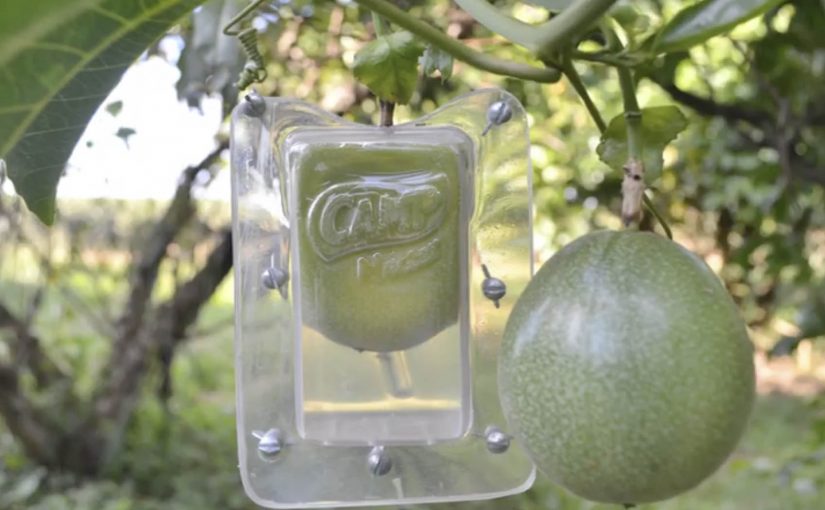
A piece of fruit is hanging from a tree. But it is not round. It is shaped like a juice pack, complete with the unmistakable carton silhouette.

Brazilian agency ageisobar was asked to prove that Camp Nectar juices were all natural. So they created molds in the shape of the brand’s packaging and attached them to fruit as it grew on farms. As the fruit developed and ripened, it took on the exact shape of the juice box, turning “made from real fruit” into something you can see without reading a claim.

The mold-on-tree mechanic

The mechanism is product proof, not persuasion. By product proof, the campaign uses the fruit itself as evidence instead of asking the audience to trust a written claim. Instead of showing ingredients or production steps, the campaign engineers a physical outcome that can only happen if real fruit is involved. The fruit becomes the packaging, and the packaging becomes the argument.

In packaged food and beverage marketing, “natural” claims are often distrusted, so literal demonstrations that collapse the gap between product and source earn attention faster than explanations.

Why the visual is hard to forget

The idea lands because it is a contradiction you can resolve instantly. You see something impossible, then you understand the trick, and the understanding reinforces the claim. It is also inherently shareable because the proof fits in a single frame. A fruit that looks like the pack.

Extractable takeaway: If your claim is routinely doubted, design a one-image demonstration that makes the claim self-evident, then let distribution follow the proof rather than the copy.

What the brand is really doing

Camp Nectar is not just saying “we’re natural”. It is trying to reset the credibility bar in a category full of vague promises. The stronger strategy is to make the claim visible, not louder. The execution borrows the authority of nature itself. Growth, time, and farming become the brand’s endorsement.

The real question is not whether the brand can say “real fruit”, but whether it can make that claim feel self-evident at a glance.

What food and beverage brands can take from this

  • Prove, do not promise. Engineer a physical or behavioral outcome that functions as evidence.
  • Compress the story into one frame. If the proof reads in a second, it travels further.
  • Let the medium match the message. A farm-grown artifact is more persuasive than a studio-made graphic.
  • Keep the claim implicit. When the proof is strong, the audience supplies the conclusion for you.

A few fast answers before you act

What is “Real Fruit Boxes”?

A demonstration campaign where real fruit is grown inside juice-box-shaped molds so it ripens into the shape of Camp Nectar’s packaging.

Why does this work better than ingredient messaging?

Because it is evidence-first. The audience sees a physical result that implies real fruit without needing technical explanation.

What is the core creative principle?

Make the proof visual, literal, and instantaneous. One glance should communicate the point.

What is the main execution risk?

If the proof looks fabricated or overly staged, trust collapses. The craft has to feel like a real-world process, not a prop.

When should brands use “literal proof” ideas?

When the category is saturated with claims and skepticism is high, and you can create a demonstration that is simple, safe, and repeatable.
Ford Selección: Olor a Nuevo

Ford Selección: Olor a Nuevo

Ford Selección is the brand of used cars from Ford in Spain. Bassat Ogilvy Madrid, the agency responsible for marketing the cars, was given the task of bringing the excitement of a new car to the old ones.

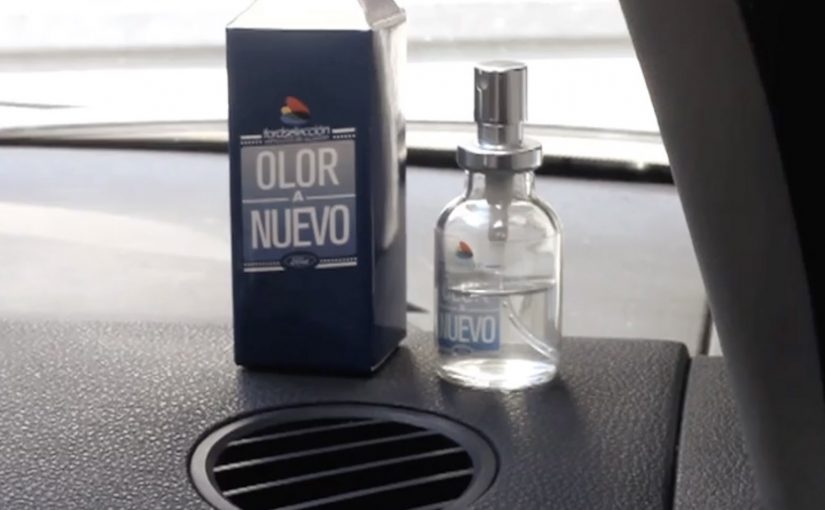
So the team set out to bring the “smell of a new car” to those who chose to buy a used one. Once the smell was identified, it was taken and bottled into fragrance samplers called “Olor a Nuevo”, which means “Smell of New”. With this fragrance, a line of used cars that smelled like new ones was created and advertised through print and outdoor.

A used-car pitch that starts with the nose

The execution picks one sensory cue that people associate with “brand new” and makes it portable. New-car smell is a shorthand for untouched materials and first ownership, and the campaign turns that shorthand into a deliverable asset.

How Olor a Nuevo works as a sales tool

The mechanism is productized reassurance: turn trust into a tangible sampler people can smell before they buy. Identify the desired scent, package it as a sampler, and attach it to the Ford Selección promise so “used” feels less like compromise and more like a smart choice with one missing detail restored.

In automotive retail, sensory cues often carry trust faster than spec sheets, because they signal condition, care, and novelty before the buyer starts rational comparison.

Why the idea lands

It targets the real tradeoff people feel. Many buyers can accept a few kilometers on the odometer, but they still want the emotional moment of “this is mine and it feels fresh”. A scent sampler creates that moment early, and makes the purchase feel closer to a first unboxing than a second-hand transaction.

Extractable takeaway: When your product is “almost new”, identify the one emotional cue buyers miss most, and restore it in a way that can be sampled quickly and remembered later.

What this says about brand experience

Olor a Nuevo is not a gimmick layered on top of the cars. It is a way of translating a promise into something you can experience in seconds, which makes the message stick long after the ad is gone.

The real question is how you make a used car feel freshly claimed before the buyer starts comparing mileage and price.

What to steal from Olor a Nuevo

  • Choose one high-signal cue. One sensory proof can outperform a long list of guarantees.
  • Make the proof portable. A sampler travels. It can be shared, compared, and remembered.
  • Turn compromise into a reframed benefit. If buyers accept “used”, give them “fresh” back.
  • Keep the comms simple. Name the benefit in plain language and let the experience do the persuasion.

A few fast answers before you act

What is Olor a Nuevo?

It is a fragrance sampler created for Ford Selección that recreates the “smell of new”, so used cars can deliver part of the emotional experience of buying new.

Why is “new-car smell” a useful marketing lever?

Because it is a fast, emotional proxy for novelty and condition. It signals “fresh” before the buyer evaluates details, which can reduce hesitation.

When does sensory marketing work best?

When a product has a strong, shared sensory association that buyers already recognize, and when that association supports a real purchase anxiety such as trust, hygiene, or freshness.

What should brands avoid with this pattern?

Overcomplicating the experience. If sampling requires explanation, or if the sensory cue does not connect to the actual buying tension, it becomes a stunt instead of a sales tool.

Can this pattern work outside automotive?

Yes, when buyers miss one high-signal cue that makes a product feel fresh, trusted, or premium. The cue must connect to a real buying tension, not just add novelty.

Axe Paraguay: The Sexiest Billboard

Axe Paraguay: The Sexiest Billboard

A billboard goes up during the World Cup season and instantly hijacks attention. Not because it is bigger or brighter, but because it deliberately fuses football energy with a provocative visual that people cannot ignore.

During the 2010 Football World Cup, Axe Paraguay faced the challenge of standing out from other brands with a very low budget. Their objective was to create free press about their brand and at the same time get everybody’s attention.

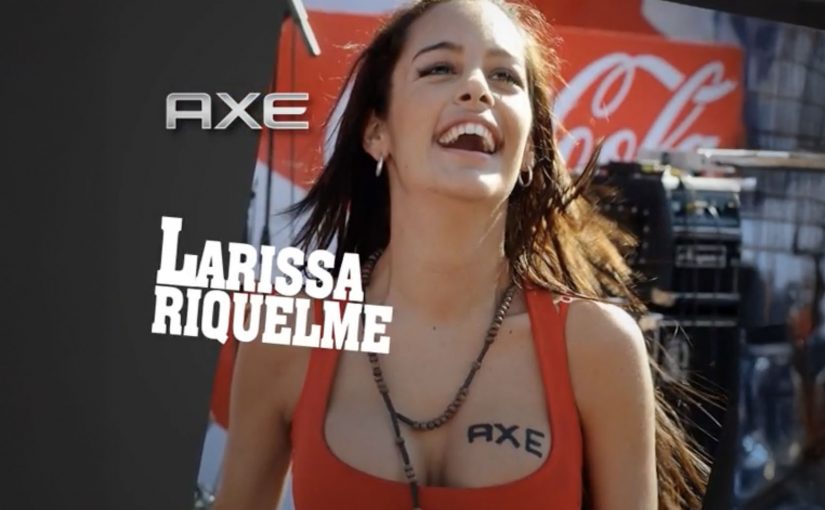
So their agency Biedermann McCann fused what men love the most, soccer and women. They created the “sexiest billboard” which got everybody’s attention and, as described at the time, generated millions of dollars worth of free press.

Why a single billboard can punch above budget

The mechanism is straightforward. Use a culturally overloaded moment, the World Cup, then pick a creative trigger that travels beyond the street. The billboard is not only media. It is a press object designed to be talked about, photographed, and repeated. Because it is built to be photographed and repeated, it turns one paid placement into many retellings.

Extractable takeaway: When budget is tight, design the idea so it leaves the street on its own. Anchor it to a high-attention moment and make the trigger legible enough that people can retell it without extra context.

In event-driven, low-budget marketing, a highly legible outdoor stunt can earn disproportionate coverage when it turns a public moment into a sharable story.

The real question is whether your creative is designed to travel beyond the placement.

What the campaign is really optimizing for

This is not built for persuasion-by-argument. It is built for attention and retellability. By retellability, I mean how easily someone can describe the idea in one sentence without seeing it. The billboard creates a reaction first, then lets the brand hitch a ride on the reaction through earned media and conversation.

Stealable patterns for low-budget breakouts

  • Pick one cultural accelerant. Major sports events compress attention. Use that compression.
  • Design for “tell a friend”. If people can describe the idea in one sentence, it spreads.
  • Build for cameras, not just eyes. If it photographs clearly, it leaves the street faster.
  • Separate provocation from confusion. Shock without clarity becomes noise. The idea still needs one obvious link back to the brand.

A few fast answers before you act

What is Axe Paraguay’s “Sexiest Billboard”?

A World Cup-season outdoor stunt designed to stand out on a small budget by combining football culture with a provocative visual so it earns attention and press coverage.

Why is the World Cup context important here?

Because attention is already concentrated. A strong trigger in that window is more likely to be noticed, shared, and picked up by media.

What is the main success metric for this kind of idea?

Earned media and conversation. The billboard is designed to generate coverage and sharing beyond its paid placement.

What is the core creative risk?

Provocation can overshadow the brand. If people remember the stunt but not who did it, the attention is wasted.

How do you adapt the approach without copying the tactic?

Keep the structure. Attach to a cultural moment, build a simple, legible trigger, and design the output so it is easy to photograph and retell.