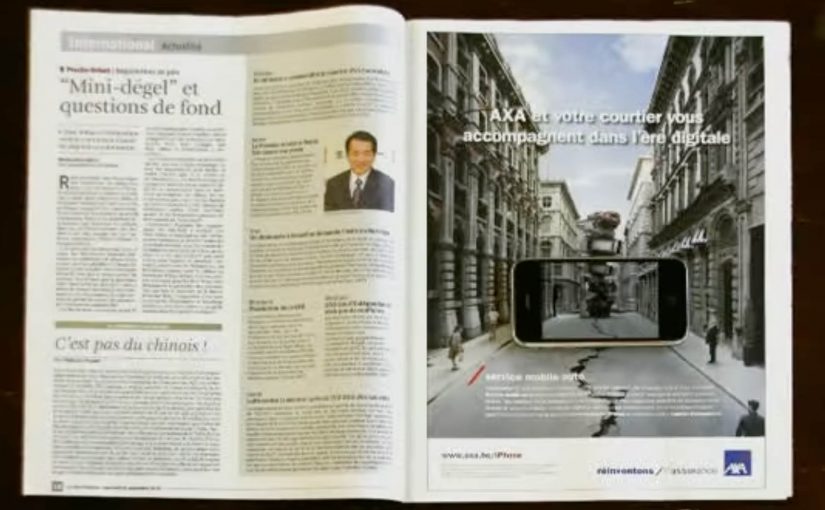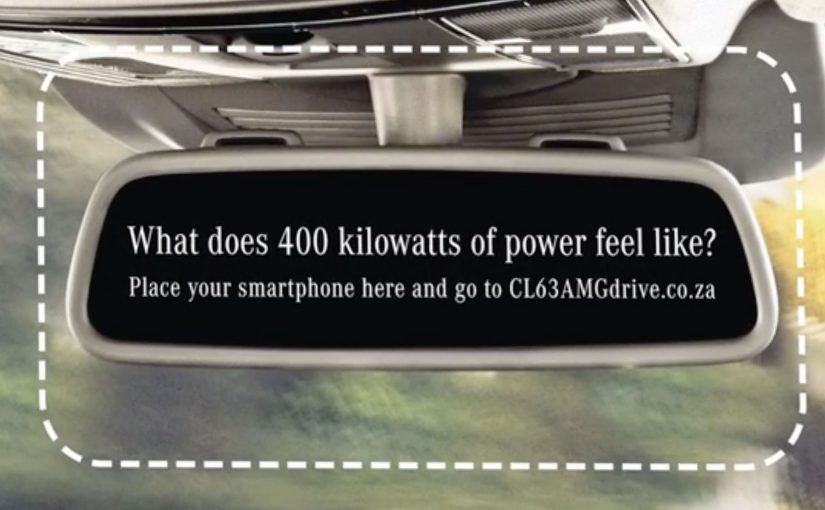
The interactive print ad mania continues. After RWB and Axa, we have Mercedes Benz joining in with their ad for the new Mercedes CL63 AMG. Here, “interactive print” means a printed ad that triggers a second action beyond the page itself.
Why “interactive print” keeps showing up
Print is fighting for attention against screens, so the stronger responses are the ones that make print behave a little more like digital. That works because the page stops acting like a finished message and starts acting like a trigger, which gives people a reason to continue.
Extractable takeaway: Interactive print works when the page creates one obvious next step that makes the brand promise feel more vivid, not when it adds novelty without payoff.
In brand marketing, this matters because print only earns another look when it turns attention into a deliberate next step.
What Mercedes-Benz is trying to do
The real question is not whether print can be made interactive, but whether the interaction makes the brand feel more immediate and memorable.
Interactive print is only worth doing when the mechanic sharpens the brand idea rather than distracting from it.
For Mercedes-Benz, the business intent is to make the CL63 AMG feel more active, premium, and attention-worthy by turning a static print placement into a more engaging brand encounter.
The useful takeaway for brands
- Give print a job. Not just to inform, but to activate.
- Keep the interaction obvious. If the mechanic needs explanation, it dies on the page.
- Let the reveal earn the attention. The payoff should justify the extra step.
A few fast answers before you act
What is this Mercedes-Benz post pointing to?
It points to Mercedes-Benz joining the interactive print wave with an execution for the Mercedes CL63 AMG.
What were the earlier references in this interactive print trend?
Earlier examples referenced here include the RWB execution and an AXA-related print activation.
What is the core mechanic of interactive print ads?
The print ad becomes a trigger that invites a second step, so the experience continues beyond the page.
Why does the format matter in 2011?
It helps print compete by creating engagement rather than relying on a static message alone.
What should brands learn from this format?
Brands should use interactivity only when it makes the printed asset more useful, more memorable, or more aligned to the brand idea.