Jung von Matt: Trojan Art Director

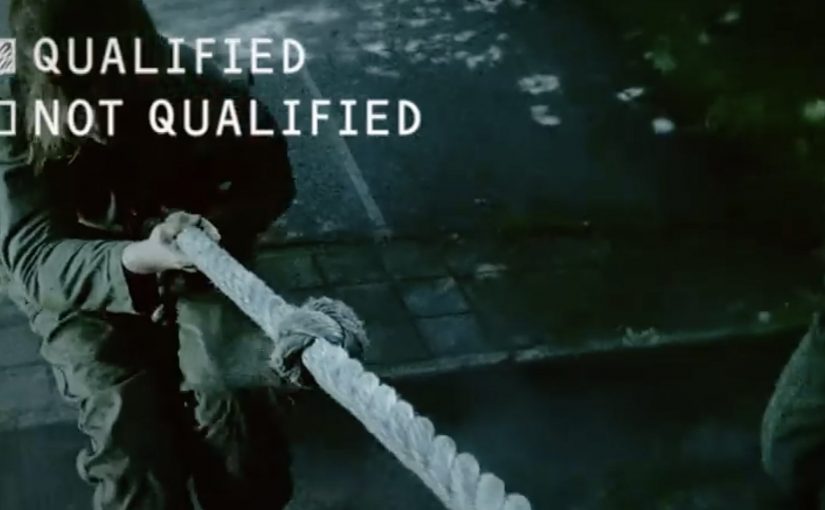
Jung von Matt is looking for talent again, this time art directors. Staying true to its creative reputation, the agency devised a cheeky way of recruiting from the same places competitors recruit from.

This time the “Trojan horses” were 15 well-known photographers whose work is regularly shown to top creative agencies in Germany. Jung von Matt’s job message was integrated into the photographers’ portfolios. An inscription on a bus. A graffiti on a wall. A stitchery on a pullover. The job ad appears inside the work, right where art directors and creatives are already paying attention.

Recruitment as a stealth placement inside creative culture

The mechanism is elegant. Instead of pushing job ads outward, the agency inserts them into a trusted distribution channel. Photographers’ portfolios are already a legitimate reason to visit creative departments. By embedding the hiring message into those images, the job ad arrives with credibility and surprise built in.

In agency recruitment, the most effective messages often travel through peer-to-peer channels where creative people already look for inspiration.

Why it lands

It respects the audience. Art directors do not want HR language. They want ideas. The recruitment message shows up as an idea. The “spot it” moment also creates a small status game. If you notice it, you feel like an insider, which is exactly the emotion you want associated with joining a top creative shop.

Extractable takeaway: If you recruit creative talent, do not only describe the culture. Deliver the culture as a recruiting experience. The medium should prove the message.

What Jung von Matt is really doing here

Beyond hiring, this is reputation maintenance. The campaign reinforces the belief that the agency thinks differently, even about recruitment. It also targets a very specific context. The moment when competitors are reviewing portfolios and looking for talent. That is when the message is most likely to be acted on.

What to steal

  • Place your message in a trusted channel. Borrow the legitimacy of a format your audience already values.
  • Integrate, do not interrupt. Embedding the ad inside the creative work makes it feel like discovery, not spam.
  • Make the message audience-native. Speak in the language of the craft, not corporate templates.
  • Target the decision moment. Put the offer where hiring intent already exists.
  • Keep it simple. One clear role, one clear next step, no clutter.

A few fast answers before you act

What is the “Trojan Art Director” idea in one sentence?

It is a recruitment tactic where Jung von Matt embeds job messages inside photographers’ portfolio images that are regularly shown to top agencies, reaching art directors in-context.

Why are photographers’ portfolios a powerful distribution channel?

Because they are already viewed by creative departments and talent decision-makers. The audience is qualified and attention is high.

What makes this feel credible rather than gimmicky?

The message is integrated into real creative work and appears in a context where creativity is the currency. That makes the format match the audience expectation.

What is the main risk with stealth recruiting?

It can be perceived as hostile or disrespectful by peers if the tone is too aggressive. The balance is “cheeky” rather than “petty.”

How do you measure success for a recruitment stunt like this?

Qualified applications for the specific role, referral volume from the creative community, and whether employer brand perception improves among the target talent pool.

Draftfcb: In Your Face Recruitment Hack

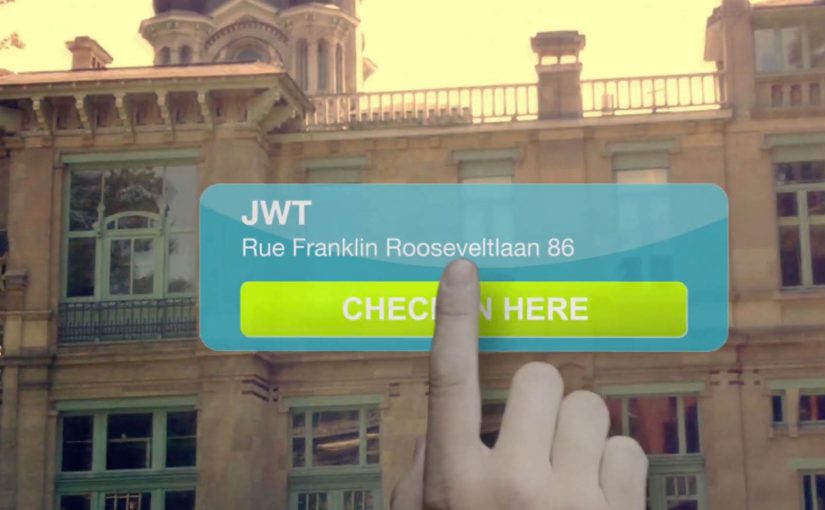
Draftfcb Germany is the latest ad agency to join the trend of tactically using social media for recruitment. In this case, they use Facebook’s redesigned profile layout to spread their hiring needs to a highly targeted advertising audience.

Recruitment message, delivered as a profile takeover

The mechanism is a simple interface hijack. Instead of posting a job ad and hoping people click, the recruitment message is built into the profile itself, so anyone landing on it experiences the “In Your Face” moment immediately. It is native to the platform, and it travels through the same social graph pathways as any other profile view.

In competitive hiring markets, social recruiting works best when the message shows up inside the places people already browse, rather than asking them to switch into “job search mode.”

Why it lands

This is not a deep story. It is a sharp pattern interrupt. The profile becomes the ad unit, the ad unit becomes a talking point, and the talking point becomes a referral engine as people share it with the exact peers who might fit.

Extractable takeaway: If you want a recruitment message to spread inside a community, put it where the community already looks, and make the first two seconds instantly legible without requiring a click.

What to steal

  • Use the platform’s default surfaces. If the profile is the most-viewed asset, make that the canvas.
  • Design for “seen in passing.” The message should register at scroll speed.
  • Make it referable. The best recruitment creative gives insiders something easy to forward to insiders.
  • Keep it role-specific. If you want a “select advertising audience,” avoid generic “we’re hiring” language.
  • Respect the line. If the takeover feels spammy or deceptive, it damages employer brand more than it helps.

A few fast answers before you act

What is “In Your Face” in one sentence?

It is a Draftfcb Germany recruitment idea that turns Facebook’s profile layout into a visual hiring message that spreads through normal profile views and shares.

Why use a profile takeover instead of a standard job post?

Because it removes friction and increases certainty. The viewer immediately understands the intent without leaving the platform or clicking through.

What makes this tactic “targeted”?

It travels through an industry social graph. The people most likely to see it are connected to the agency, its staff, or the wider creative community.

What is the biggest risk with this approach?

Novelty decay. Once the trick is familiar, it stops being a conversation piece, so the idea needs either a short run or variations.

What should you measure if you do something similar?

Qualified inbound candidates, referral volume from employees and peers, share rate inside relevant networks, and sentiment about the employer brand.

Supreme Security: Job Offer in Luggage Scanner

Supreme Security is an international company offering security services ranging from personal security to dog squad assignments, as well as access and baggage checks. To deliver that, it continually needs specially trained personnel, but only a small pool of specialists fits this narrow job profile in Switzerland, and many of them work in border patrol or airport police.

So the company equips its own employees with machined metal bars and sends them on business trips with those bars packed in their hand luggage. When the bags go through security, the X-ray image reveals a clear recruitment message to the people operating the scanner.

The X-ray reveal: a job ad delivered inside the checkpoint

The execution is almost stubbornly physical. No QR codes. No landing pages in the moment. Just a piece of metal engineered so its silhouette becomes readable text on a baggage scanner screen.

That design choice matters because it matches the audience’s reality. These candidates spend their day looking at X-ray images. The campaign puts the job offer exactly where their attention already lives.

In specialist recruitment markets, placing your job offer inside the candidate’s daily workflow can outperform broad awareness media.

Why it lands: it respects expertise and filters for it

This is not a mass recruitment message pretending to be clever. It is a targeted signal aimed at a professional who will immediately understand what they are seeing, and why it was made for them.

Extractable takeaway: The fastest way to reach scarce talent is to design a “high-signal artifact” that only the right audience will notice and appreciate. If the medium itself acts like a competency filter, you get fewer leads, but better ones.

The low-budget constraint is part of the story too. The campaign is described as being produced for under 5,000 Swiss francs and as recruiting eight highly qualified employees in two months. That makes the idea feel replicable, not reserved for brands with giant hiring spends.

What to steal for your next hard-to-hire role

  • Recruit inside the work context: deliver the message where the target audience already concentrates.
  • Make the medium do the targeting: if only the right people “get it”, you reduce noise.
  • Keep the message legible in one glance: no one at work wants to decode your campaign.
  • Design for retellability: the story should travel as “did you see this” even without a link.
  • Use constraints as credibility: low-production realism can read as confidence, not lack of polish.

A few fast answers before you act

What is the core idea here?

A job offer is embedded into a metal object so it becomes readable when scanned by an airport X-ray system, reaching security professionals while they work.

Why is this better than a normal recruitment ad for this audience?

Because it targets scarce specialists in their professional environment and feels like an insider message rather than generic hiring noise.

What makes it “experience-based”?

The candidate does not just see a message. They experience the reveal in a real workflow moment, which makes it memorable and easy to retell.

What’s the biggest risk if you copy this approach?

Operational and reputational risk. If the artifact disrupts operations, causes safety concerns, or feels deceptive, the idea backfires. The execution must be safe, respectful, and clearly non-threatening.

How do you measure success beyond hires?

Track qualified inbound leads, interview-to-offer ratio, time-to-hire for the target profile, and earned mentions within the professional community you are trying to reach.