
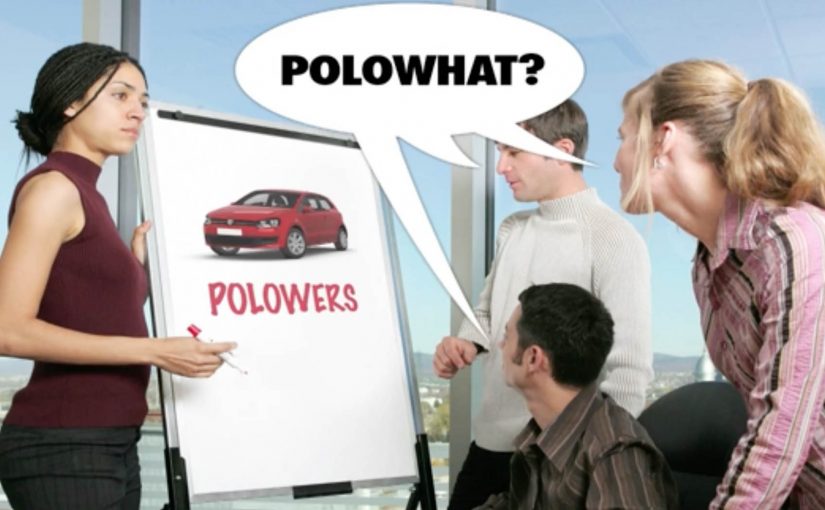
Volkswagen #Polowers: Tweet-Powered Race

Volkswagen #Polowers: Tweet-Powered Race

Volkswagen Polo is one of the most desired cars amongst the youth of Spain. To make a big entry DDB Spain created a Tweet based race that would make VW Polo the most trending topic on Twitter for that day.

A special hashtag #Polowers was created in order to give a name to the VW Polo Followers. Then to generate conversation amongst the Polowers a race was setup where each tweet took the follower to the first position. In this context, a tweet-based race means every tweet with the #Polowers hashtag updates a live leaderboard.

The real question is: how do you turn a low-effort social action into sustained participation during a short launch window?

This is a smart mechanic because it turns public rank into the content people return to influence.

When the Polo stopped at one of the 5 designated stops, the follower in the first position at that time would win a prize, iPad, Denon Ceol music system, Leica D-Lux 5 camera, VW Bike and eventually the grand prize VW Polo itself.

In terms of results, the campaign generated more than 150,000 tweets in 8 hours after launching, at a rate of 5 tweets per second and reached more than 10% of Twitter’s total audience in Spain. It also became the leading Top 10 trending topic and generated a record breaking amount of traffic to Polo’s product section on Volkswagen.es.

Last year Mercedes-Benz had created a tweet based race that had real life cars fueled by tweets. Check out that campaign here.

Why this mechanic works

This is a clean real-time loop. Tweeting is the action. Rank is the feedback. Prizes are the incentive. The “race” gives people a reason to keep going, because every new tweet can change the leader. Because rank shifts are immediate and visible, people keep tweeting to defend or steal the top spot.

Extractable takeaway: If you make the user action measurable and publicly visible in real time, participation grows because people can see their impact instantly.

  • Identity creates belonging. #Polowers turns followers into a named group.
  • Progress is instant. One tweet changes position immediately.
  • Time pressure drives volume. Five stops create multiple “now” moments.
  • Reward cadence sustains momentum. Smaller prizes build toward the grand prize.

In European launch campaigns that need fast, time-boxed social momentum, a live leaderboard loop like this helps convert attention into repeat action inside a single mechanic.

What to take from this if you run social campaigns

  1. Design a loop that explains itself. If the rule fits in one sentence, participation scales.
  2. Make the scoreboard the content. Rankings create a story people want to influence.
  3. Use milestones. Stops and deadlines create peaks instead of a flat timeline.
  4. Measure beyond buzz. Here the campaign also drove traffic to the Polo product section, not just tweets.

A few fast answers before you act

What was Volkswagen #Polowers?

It was a tweet-based race in Spain where participants used the #Polowers hashtag, and tweeting moved them into first position in a live competition for prizes and a chance to win a VW Polo.

How did the prize mechanic work?

When the Polo stopped at one of five designated stops, the follower in first position at that moment won a prize. The grand prize was a VW Polo.

What were the reported results?

More than 150,000 tweets in 8 hours, around 5 tweets per second, reaching more than 10% of Twitter’s total audience in Spain, plus Top 10 trending status and record traffic to Volkswagen.es Polo pages.

Why did the hashtag matter?

#Polowers gave the community a name and made participation visible, searchable, and easy to join.

What is the transferable lesson?

If you turn a simple action into a live competition with clear milestones and meaningful rewards, social participation can compound quickly.
Turismo de Portugal: Cobblestone QR Codes

Turismo de Portugal: Cobblestone QR Codes

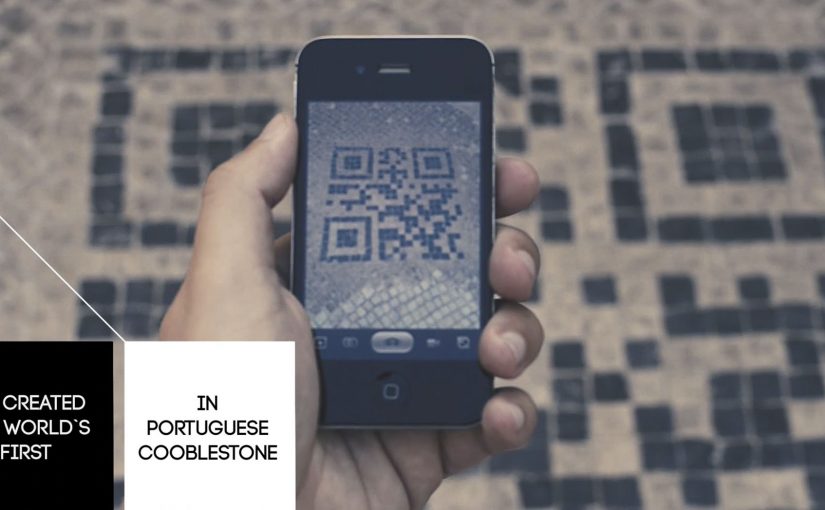
To get into the minds of tourists, Turismo de Portugal decides to fuse QR code technology with Portugal’s historical cobblestone tradition. The result is described as the first QR code made from Portuguese cobblestones.

The first QR code is embedded into the city ground in Lisbon, followed by an installation in Barcelona. Reported write-ups describe the campaign as successful enough to spark plans for similar cobblestone QR codes in other cities such as Berlin, Paris, Tokyo, New York, Vienna, Goa, Lima, and Oslo.

When street craft becomes the interface

The mechanism is simple. A familiar tourist behavior, looking down at the street and looking for cues, is turned into a scan trigger. The QR code is physically “native” to the place because it is built using the same black-and-white stone patterns people already associate with Portuguese streets, especially in historic areas like Chiado.

In destination marketing and city tourism promotion, bridging physical street culture to mobile content is a reliable way to convert foot traffic into deeper engagement. Destination brands should treat the street as the interface, not just the backdrop.

In European destination marketing, the most scalable activations turn street-level cues into a clear mobile doorway.

Why this lands with visitors

It does two jobs at once. It signals “authentic Lisbon” through material and craft, and it gives the tourist an immediate next step through their phone. The real question is how you turn a place’s own cues into a frictionless next step without making it feel like advertising. Unlike a poster or a billboard, the code is part of the ground people are already walking on, so discovery feels like finding something, not being targeted.

Extractable takeaway: If you want mobile interaction in public space, embed the call-to-action into something the place already owns. Local texture first, technology second. The scan should feel inevitable, not imported.

What to steal for your own place-based activations

  • Make the trigger belong to the environment. Use local materials, patterns, or rituals so the interaction feels contextual.
  • Design for tourist attention spans. The best street interactions reward a 5-second decision, not a long explanation.
  • Use “discovery” as the media buy. When people feel they found it, they are more likely to scan, share, and talk about it.
  • Plan for maintenance and legibility. Outdoor codes live or die based on wear, lighting, contrast, and camera-readability.

A few fast answers before you act

What is the Cobblestone QR idea in one sentence?

A QR code built into the street using Portuguese cobblestones, so tourists can scan a piece of the city itself to access content.

Why does making a QR code “physical” matter?

Because it turns a generic tech behavior into a place-specific experience. The scan feels like interacting with Lisbon, not with a random sign.

What makes this different from putting a QR code on a poster?

Placement and meaning. A poster is rented space. A street pattern is owned space. The medium carries authenticity before the message even loads.

What should the QR code open to?

A fast-loading mobile page that confirms you are in the right place and offers one clear next step. If the page feels generic or slow, the “found it” magic disappears.

What is the biggest execution risk?

If the code is hard to scan or the content behind it is weak, the novelty collapses. The physical build earns attention. The mobile experience must repay it.

Ford Selección: Olor a Nuevo

Ford Selección: Olor a Nuevo

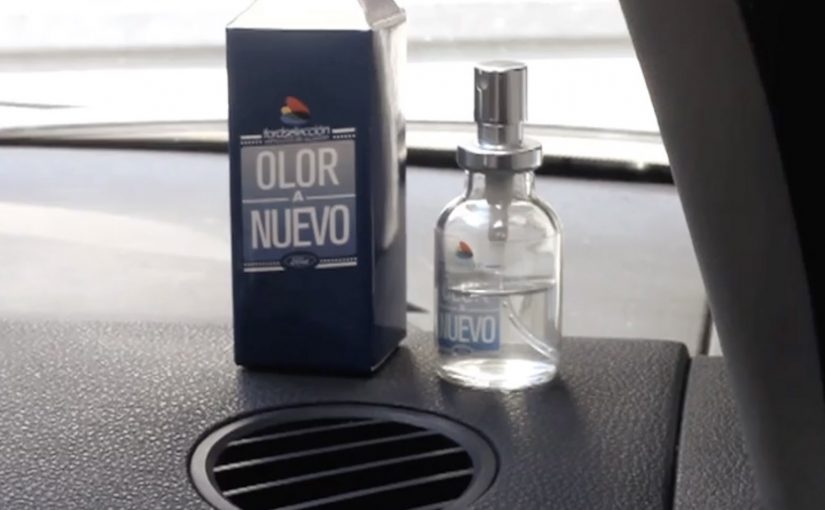
Ford Selección is the brand of used cars from Ford in Spain. Bassat Ogilvy Madrid, the agency responsible for marketing the cars, was given the task of bringing the excitement of a new car to the old ones.

So the team set out to bring the “smell of a new car” to those who chose to buy a used one. Once the smell was identified, it was taken and bottled into fragrance samplers called “Olor a Nuevo”, which means “Smell of New”. With this fragrance, a line of used cars that smelled like new ones was created and advertised through print and outdoor.

A used-car pitch that starts with the nose

The execution picks one sensory cue that people associate with “brand new” and makes it portable. New-car smell is a shorthand for untouched materials and first ownership, and the campaign turns that shorthand into a deliverable asset.

How Olor a Nuevo works as a sales tool

The mechanism is productized reassurance: turn trust into a tangible sampler people can smell before they buy. Identify the desired scent, package it as a sampler, and attach it to the Ford Selección promise so “used” feels less like compromise and more like a smart choice with one missing detail restored.

In automotive retail, sensory cues often carry trust faster than spec sheets, because they signal condition, care, and novelty before the buyer starts rational comparison.

Why the idea lands

It targets the real tradeoff people feel. Many buyers can accept a few kilometers on the odometer, but they still want the emotional moment of “this is mine and it feels fresh”. A scent sampler creates that moment early, and makes the purchase feel closer to a first unboxing than a second-hand transaction.

Extractable takeaway: When your product is “almost new”, identify the one emotional cue buyers miss most, and restore it in a way that can be sampled quickly and remembered later.

What this says about brand experience

Olor a Nuevo is not a gimmick layered on top of the cars. It is a way of translating a promise into something you can experience in seconds, which makes the message stick long after the ad is gone.

The real question is how you make a used car feel freshly claimed before the buyer starts comparing mileage and price.

What to steal from Olor a Nuevo

  • Choose one high-signal cue. One sensory proof can outperform a long list of guarantees.
  • Make the proof portable. A sampler travels. It can be shared, compared, and remembered.
  • Turn compromise into a reframed benefit. If buyers accept “used”, give them “fresh” back.
  • Keep the comms simple. Name the benefit in plain language and let the experience do the persuasion.

A few fast answers before you act

What is Olor a Nuevo?

It is a fragrance sampler created for Ford Selección that recreates the “smell of new”, so used cars can deliver part of the emotional experience of buying new.

Why is “new-car smell” a useful marketing lever?

Because it is a fast, emotional proxy for novelty and condition. It signals “fresh” before the buyer evaluates details, which can reduce hesitation.

When does sensory marketing work best?

When a product has a strong, shared sensory association that buyers already recognize, and when that association supports a real purchase anxiety such as trust, hygiene, or freshness.

What should brands avoid with this pattern?

Overcomplicating the experience. If sampling requires explanation, or if the sensory cue does not connect to the actual buying tension, it becomes a stunt instead of a sales tool.

Can this pattern work outside automotive?

Yes, when buyers miss one high-signal cue that makes a product feel fresh, trusted, or premium. The cue must connect to a real buying tension, not just add novelty.