Two videos that did not just play, they proved the point
Video innovation rarely comes from “better footage”. It comes from changing how the viewer experiences the message. These two campaigns are clean examples of that approach.
In the last week or so I came across two campaigns that used video to innovatively deliver their message.
Volkswagen Hidden Frame – using the YouTube play bar as the story
The Volkswagen Side Assist feature helps drivers avoid accidents by showing other vehicles when they are in the side mirror’s blind spot.
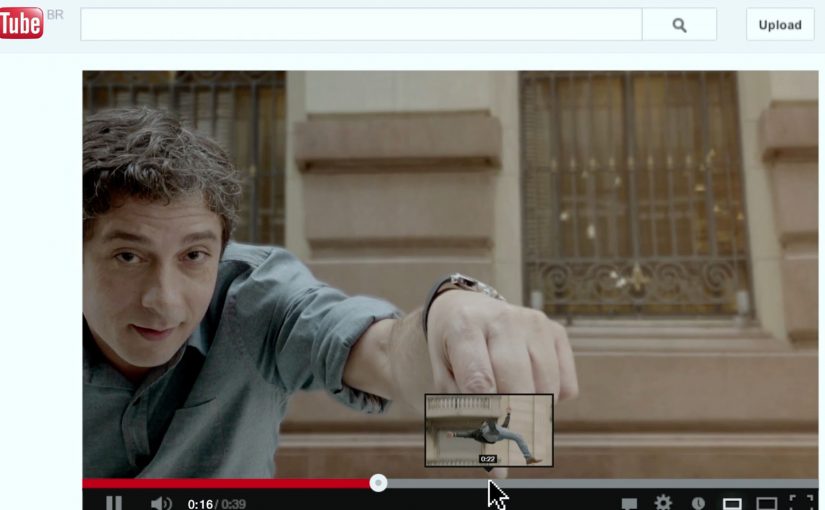
To drive home the message, AlmapBBDO developed a film that used YouTube’s play bar to show the difference the VW Side Assist made in people’s lives.
No Means No – a player that interrupts denial
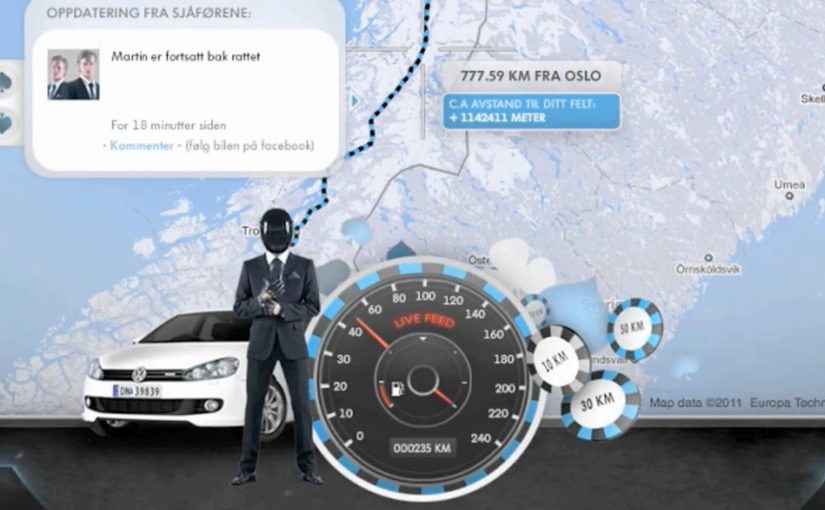
Amnesty Norway, in an attempt to change the Norwegian law on sexual assault and rape, developed a film that used a custom video player to pop up the key message.
The campaign was a success and the law was about to change as a direct consequence of the campaign.
Why interface-led video lands harder
Both ideas shift the viewer from passive watching to active noticing. By “interface-led” I mean the player UI, like the progress bar, overlays, or controls, doing storytelling work, not just housing the film.
Extractable takeaway: If the interface carries part of the argument, the viewer is forced to notice the point during playback, which reduces message loss.
The real question is whether your player can carry the argument when attention collapses.
Volkswagen used a familiar interface to make a safety benefit visible in the moment. Amnesty used an interface interruption to force the key message to be seen, not skipped. In both cases, the “player” stopped being furniture and became the persuasion device.
In global consumer brands and publisher-style marketing teams, interface constraints often determine what gets noticed and what gets ignored.
What these campaigns were really trying to achieve
The business intent was not “engagement” as a vanity metric. It was message delivery with minimal loss.
Volkswagen aimed to make an invisible feature feel tangible and memorable. Amnesty aimed to change perception and behavior at the cultural level, and the player design reinforced that urgency by refusing to be background noise.
Player-hacking patterns to copy
Here, “player-hacking” means designing the video controls and UI as part of the message, not just the wrapper.
- Use the interface as evidence. When the message is hard to show, let the UI demonstrate it.
- Design for the skip reflex. If your message is often ignored, build an experience that makes ignoring harder.
- Keep viewer control intentional. Interactivity works when it serves comprehension, not novelty.
- Make the “point” happen inside the viewing moment. Do not rely on a voiceover claim when the experience can prove it.
A few fast answers before you act
What is an “interface-led” video campaign?
An interface-led video campaign is one where the player experience, like the progress bar, overlays, or controls, is part of the storytelling, not just the container.
How did Volkswagen Hidden Frame use YouTube differently?
It used YouTube’s play bar as a narrative device to demonstrate the value of Side Assist, making the benefit feel visible rather than described.
What did Amnesty Norway’s No Means No change about the player?
It used a custom video player that surfaced the key message via a popup, ensuring the point was encountered during playback.
Why do these ideas work better than a standard film in some cases?
Because they reduce message loss. The viewer is guided to notice the point through the viewing mechanics, not just the content.
What is the practical takeaway for brands?
If your message is often missed, redesign the viewing experience so the message is structurally harder to ignore and easier to understand.