
La Senza: The Cup Size Choir

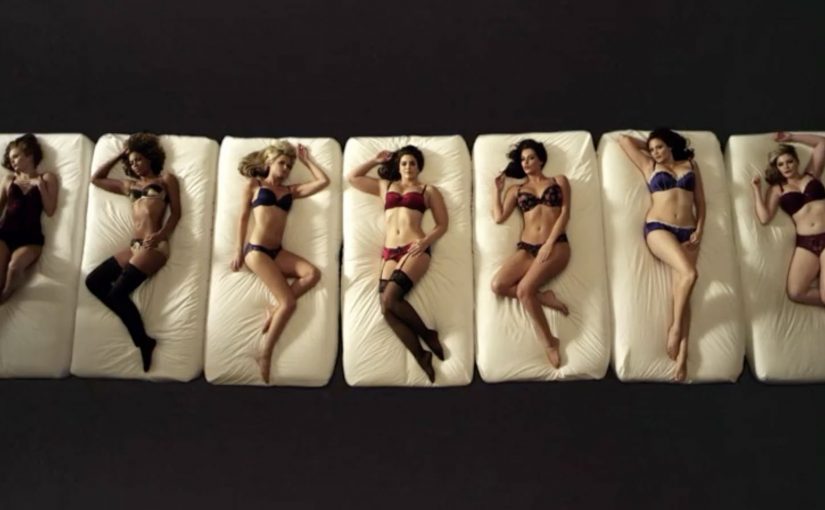
In this holiday video from London ad agency Karmarama, Canada-based lingerie maker La Senza presents a novel Christmas choir. Women in their underwear lie on a puffy piano, each singing the musical note represented by their bra size, from A to G.

A Christmas choir built from cup sizes

The hook is immediate. A to G becomes a scale. The set becomes a keyboard. The cast becomes the instrument. It is a simple idea that explains itself in seconds, and it gives the viewer a reason to watch again just to catch how the “notes” are assigned.

How the mechanic sells the range

Instead of listing products, the film turns product variety into a performance system. Each cup size is framed as a distinct note, and the choreography is built around sequencing those notes into a familiar holiday tune.

In holiday retail marketing, the quickest way to earn attention is to turn the product range into entertainment people can instantly understand.

Why it lands as a share

The format is cheeky, high-contrast, and easy to summarize. That makes it naturally social, because people can describe it in one sentence and still do it justice. The “keyboard” visual also creates a clear pattern, so even casual viewers feel like they are in on the joke.

Extractable takeaway: When your product offer is breadth, not one hero feature, convert that breadth into a simple system the audience can see and repeat, and the message sticks without explanation.

The intent behind the wink

This is brand entertainment with a retail job to do. It keeps La Senza top-of-mind during a gifting season and spotlights that the brand serves a wide range of sizes, while the tone keeps it light enough to travel beyond existing customers.

The real question is whether the performance makes that size range memorable enough to travel beyond the existing customer base.

How to turn range into a shareable system

  • Make the organizing idea visible. A to G as notes is instantly legible.
  • Use a familiar frame. A holiday tune lowers comprehension cost.
  • Sell the range without “catalog copy”. Show variety as a system, not as a list.
  • Keep the runtime tight. Short spectacle beats long explanation for sharing.
  • Let the craft do the persuasion. Production, choreography, and rhythm carry the message.

A few fast answers before you act

What is the core idea of The Cup Size Choir?

Assign musical notes to bra cup sizes and build a performance that turns product range into a simple, watchable system.

Why does this work as holiday advertising?

It is easy to understand, easy to retell, and it uses a seasonal structure people already recognize, so the message lands quickly.

What is the main brand message?

That the brand offers a broad size range, communicated through entertainment rather than product claims.

What is the biggest risk with this kind of execution?

If the tone feels gratuitous or distracting, the audience remembers the stunt but forgets the brand or the point.

How can a different category copy the approach safely?

Translate “range” into a clear system. Use a familiar cultural frame. Keep the mechanic obvious, and let the craft carry the story.

Tipp-Ex: A Hunter Shoots a Bear

If you have ever wanted to hijack a storyline mid-play, Tipp-Ex delivers a brilliant “wait, what?” moment. A hunter is about to shoot a bear. Then the video breaks its own frame. The hunter reaches out, grabs Tipp-Ex, whites out the word “shoots” in the title, and invites you to write your own verb instead.

One verb becomes the remote control

This is an interactive YouTube takeover ad where the headline is the interface. You type a command into the title, and the story branches into a matching outcome. It is simple enough to explain in one line. It is also instantly rewarding, because you see the consequence of your input right away.

The real question is whether your audience can understand the control in one glance and feel the payoff in one click.

In European FMCG marketing, few products have a built-in metaphor as literal as correction tape: white it out, then rewrite.

This is interactive video done right: it hands the viewer a single, obvious control. Replace one verb in the title, and the story instantly branches into a matching ending. That mechanism makes the product demonstration inseparable from the entertainment.

Why it lands: you are not watching, you are steering

The psychological hook is viewer control with near-zero friction. You are not asked to learn a UI, register, or navigate a microsite. You do one small thing (type a verb), and you get a big payoff (a fresh scene). That combination of viewer control and immediacy turns curiosity into repeat plays, because every new verb feels like another door.

Extractable takeaway: One obvious input plus an immediate, visible change is the fastest way to turn curiosity into repeat plays.

The business goal hidden inside the gag

Tipp-Ex is not just sponsoring a funny clip. The brand behavior is the plot device. “White and rewrite” is demonstrated, not stated. The longer you experiment, the longer you stay with the brand idea, and the more likely you are to share it as “you have to try this.”

Steal the one-verb control pattern

  • Make the control obvious. One input. One immediate, visible change.
  • Fuse product truth with interaction. The mechanic should only make sense for this brand.
  • Reward experimentation. Curiosity loops need fast feedback, not a slow reveal.
  • Design for retelling. People share experiences they can describe in one sentence.

A few fast answers before you act

What is “A Hunter Shoots a Bear” for Tipp-Ex?

An interactive video campaign where the viewer changes the story by editing a single word in the video title, turning the headline into the control surface.

What is the core mechanism that makes it interactive?

The campaign asks the viewer to replace the verb in the title and then routes them to a matching video outcome, so the typed command becomes the next scene.

Why did this format spread so widely?

It gives immediate viewer control and fast feedback. People share it because they can describe the interaction in one line and friends can instantly try their own outcomes.

What brand intent does this serve beyond “being clever”?

It makes Tipp-Ex (a correction tool) inseparable from the interaction. The product truth is the mechanic, so the brand is not optional to the idea.

What is the most transferable takeaway?

When the interaction is one obvious input with one visible change, curiosity turns into repeat play, and repeat play turns into distribution.

Old Spice: The Social Response Campaign

One body wash campaign that owned the conversation

This Old Spice case study takes us through the insight around targeting men and women at the same time to generate conversation around body wash. When it launched, the campaign managed to capture 75% of all conversations in the category.

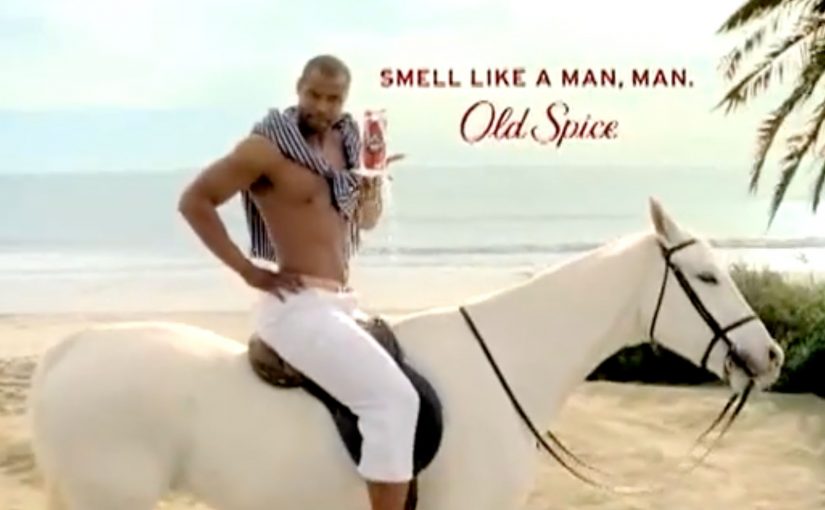
To continue the success, Old Spice & Wieden + Kennedy created the next level, where Mustafa, now a household hero, a character people recognized instantly, engaged with the fans directly. The response campaign consisted of around 180 customized videos which engaged the fans directly. Thus it became the best social campaign ever to have been created.

Here are some stats of the campaign.

  • On day 1 the campaign received almost 6 million views (that’s more than Obama’s victory speech)
  • On day 2 Old Spice had 8 of the 11 most popular videos online
  • On day 3 the campaign had reached over 20 million views
  • After the first week Old Spice had over 40 million views
  • The Old Spice Twitter following increased 2700% (probably off a lowish base)
  • Facebook fan interaction was up 800%
  • Oldspice.com website traffic was up 300%
  • The Old Spice YouTube channel became the all time most viewed channel (amazing)
  • The campaign has generated 1.4 billion impressions since launching the ads 6 months ago
  • The campaign increased sales by 27% over 6 months since launching (year on year)
  • In the last 3 months sales were up 55%
  • And in the last month sales were up 107% from the social responses campaign work
  • Old Spice is now the #1 body wash brand for men

And without further a-due. The best social campaign ever.

The real shift: from broadcast to back-and-forth

The original idea did something rare. It spoke to men and women at the same time. Then it did the smarter thing. It treated the public reaction as the next creative brief. 180 customized responses turn attention into participation.

Because the replies are both personal and public, each interaction creates a reason for more people to watch, share, and join in.

In FMCG categories where products are similar, a brand character plus high-volume two-way interaction can turn attention into a defensible advantage.

The real question is whether you are willing to treat audience reaction as the next creative brief, not a comment thread to manage.

Why this still feels like a blueprint

Most campaigns stop when the film launches. This one starts there. When the character becomes a “household hero,” the brand gains a voice people want to talk to. Brands should treat the response layer, meaning the rapid stream of direct-to-person reply videos, as first-class creative, not post-launch community management.

Extractable takeaway: If a character and tone can scale, rapid, personalized public replies convert one-time views into repeat participation.

What the numbers are really doing here

The stats are not just bragging rights. They are proof that conversation can move the entire system. Views, follows, site traffic, impressions, and ultimately sales. All tied to a campaign designed to travel socially.

Old Spice’s response playbook you can borrow

  • Build for both sides of the purchase conversation. The user. And the influencer in their life.
  • Treat launch day as the start, not the finish line. Plan the response layer.
  • Create a character and tone that can scale. Dozens or hundreds of variations should still feel instantly recognizable.

A few fast answers before you act

What was the core insight in this Old Spice campaign?

Target men and women at the same time to generate conversation around body wash, then use that conversation to fuel the next wave of content.

What made the “response campaign” different?

Mustafa engaged fans directly through around 180 customized videos, turning audience attention into two-way interaction.

What results did the post claim?

The post cites rapid view growth over the first week, large jumps in social following and interaction, major traffic increases, and significant sales lifts over months.

What is the core mechanic behind the success?

A launch film that sparks broad conversation, followed by high-volume personalized responses that keep the conversation accelerating instead of fading.

What should you copy if you cannot produce 180 videos?

Copy the structure. Launch a character-led idea that invites replies, then publish a smaller set of fast, direct responses that keep the conversation moving.