Catch The Swedish Light

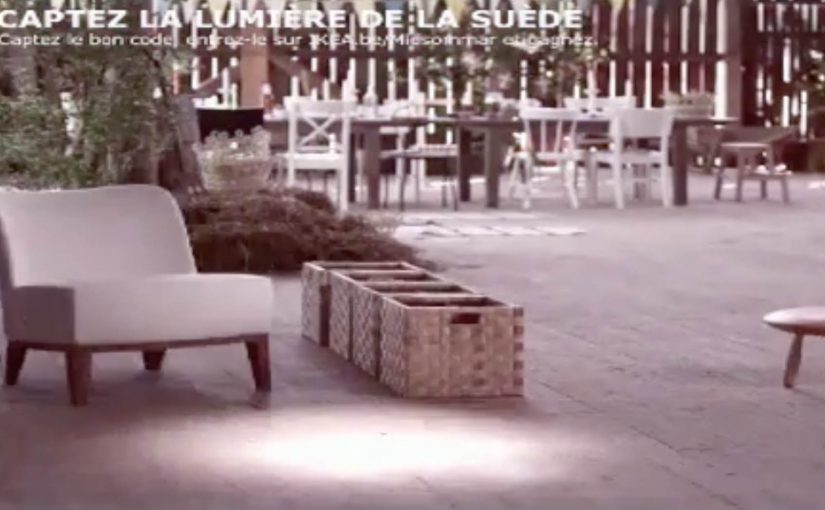
Summer is usually somewhat of a slow period for Ikea in Belgium and Ikea wanted to change that. Instead of traditional advertising with Ikea’s summer offers, they created an interactive YouTube game where the audience, by viewing 48 different ads, was challenged to catch the Swedish light. As one can’t do ‘frame-by-frame’ on YouTube, people had to pause the spot in the exact right moment when the light hit a product. In that unique frame, a yellow code would appear in the top right corner. The first person to validate the code on the summer microsite, would win the product instantly.

Click here to watch the video on the AdsSpot website.

Desperados: YouTube Takeover

A takeover that pulls social identity into the video

In digital video marketing, the most ambitious takeovers do not just run before content. They try to become the experience people came for. Desperados’ execution is a clean example of that intent.

Here is a pretty cool and ambitious YouTube takeover. It is one of the first ones I have seen that also integrates the Facebook Connect functionality as part of the experience.

How Desperados built the takeover experience

The YouTube campaign was created by Dufresne Corrigan Scarlett and MediaMonks for beer brand Desperados.

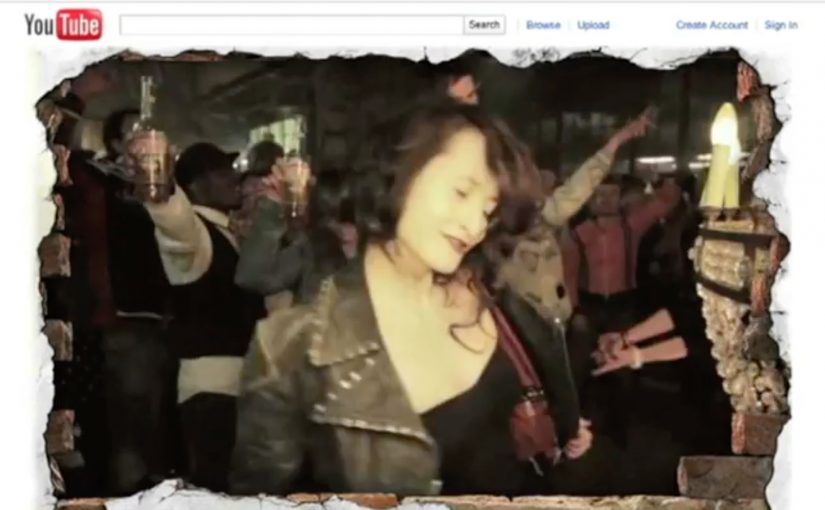
The takeover let you interact with the story as it unfolded and also let you bring your Facebook friends into the party by pulling in photos on the fly.

Why bringing friends into the story changes attention

Standard video asks for passive watching. This approach creates viewer control and personal stakes.

Once your friends’ faces and your social graph are part of the narrative, the content stops feeling generic. It starts feeling like it is happening to your world. That makes the experience more memorable and more likely to be shared, because it is no longer just “a brand film”. It is a moment that includes you.

The business intent behind the social layer

The intent is to move beyond reach and toward participation.

By using Facebook Connect and on-the-fly photos, the campaign tried to turn viewers into co-owners of the experience. That increases time spent, lifts recall, and creates a natural reason to invite others, because the party becomes better when your people are in it.

What to steal from this kind of takeover

  • Make interaction serve the story. Viewer control works when it changes what happens next, not when it is a gimmick.
  • Personalization is strongest when it is social. Pulling in friends can create instant relevance and emotion.
  • Design the invite loop into the experience. If friends improve the outcome, sharing becomes functional, not promotional.
  • Choose the platform feature that matches the idea. When identity is the hook, social login becomes a creative tool.

To experience it yourself visit: www.youtube.com/desperados


A few fast answers before you act

What was the Desperados YouTube takeover?

An interactive YouTube campaign that integrated Facebook Connect so viewers could bring friends’ photos into the unfolding story.

What was the core mechanism?

Viewer control within the takeover experience, paired with a social login layer that pulled in photos dynamically during playback.

Why does Facebook Connect matter in this context?

It makes the experience personal and social. When the content includes your friends, it feels more relevant and more worth sharing.

What business goal did this support?

Increasing time spent and participation by turning a brand film into an experience that feels co-created and socially expandable.

What is the main takeaway for brands?

If you want people to stay and share, give them control and a way to bring their world into the story.

Tipp-Ex: A Hunter Shoots a Bear

If you have ever wanted to hijack a storyline mid-play, Tipp-Ex delivers a brilliant “wait, what?” moment. A hunter is about to shoot a bear. Then the video breaks its own frame. The hunter reaches out, grabs Tipp-Ex, whites out the word “shoots” in the title, and invites you to write your own verb instead.

One verb becomes the remote control

This is an interactive YouTube takeover ad where the headline is the interface. You type a command into the title, and the story branches into a matching outcome. It is simple enough to explain in one line. It is also instantly rewarding, because you see the consequence of your input right away.

In European FMCG marketing, few products have a built-in metaphor as literal as correction tape: white it out, then rewrite.

This is interactive video done right: it hands the viewer a single, obvious control. Replace one verb in the title, and the story instantly branches into a matching ending. That mechanism makes the product demonstration inseparable from the entertainment.

Why it lands: you are not watching, you are steering

The psychological hook is viewer control with near-zero friction. You are not asked to learn a UI, register, or navigate a microsite. You do one small thing (type a verb), and you get a big payoff (a fresh scene). That combination of agency and immediacy turns curiosity into repeat plays, because every new verb feels like another door.

The business goal hidden inside the gag

Tipp-Ex is not just sponsoring a funny clip. The brand behavior is the plot device. “White and rewrite” is demonstrated, not stated. The longer you experiment, the longer you stay with the brand idea, and the more likely you are to share it as “you have to try this.”

What to steal for your next interactive format

  • Make the control obvious. One input. One immediate, visible change.
  • Fuse product truth with interaction. The mechanic should only make sense for this brand.
  • Reward experimentation. Curiosity loops need fast feedback, not a slow reveal.
  • Design for retelling. People share experiences they can describe in one sentence.

A few fast answers before you act

What is “A Hunter Shoots a Bear” for Tipp-Ex?

An interactive video campaign where the viewer changes the story by editing a single word in the video title, turning the headline into the control surface.

What is the core mechanism that makes it interactive?

The campaign asks the viewer to replace the verb in the title and then routes them to a matching video outcome, so the typed command becomes the next scene.

Why did this format spread so widely?

It gives immediate viewer control and fast feedback. People share it because they can describe the interaction in one line and friends can instantly try their own outcomes.

What brand intent does this serve beyond “being clever”?

It makes Tipp-Ex (a correction tool) inseparable from the interaction. The product truth is the mechanic, so the brand is not optional to the idea.

What is the most transferable takeaway?

When the interaction is one obvious input with one visible change, curiosity turns into repeat play, and repeat play turns into distribution.