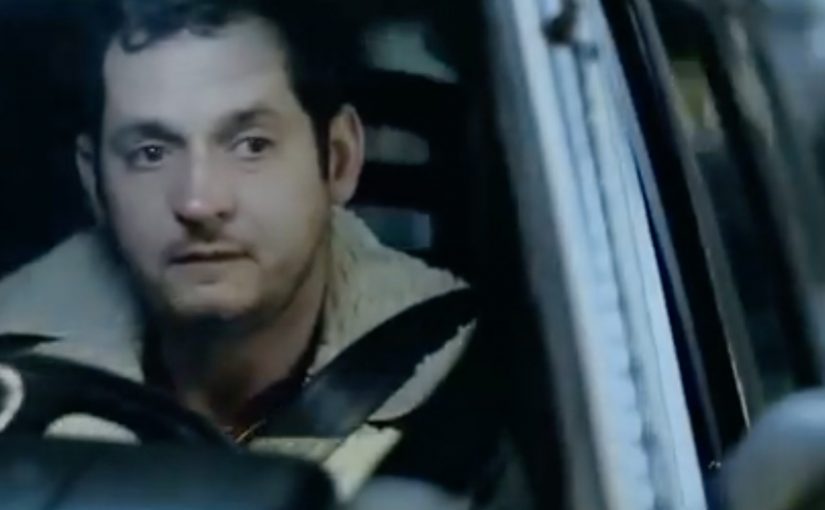
This is the latest campaign element for the launch of The Expendables movie. A YouTube takeover that plays like an “interrupted interview” with Sylvester Stallone, where the film breaks into the page and turns the platform itself into part of the spectacle.
The fun is in the escalation. What starts like a normal promo interview quickly flips into a chaotic on-page moment, with the surrounding YouTube environment becoming the canvas for the film’s tone. It is not just a trailer. It is a takeover that behaves like a scene.
When the page is the stage
The mechanic is simple to understand and hard to ignore. The interview drives the narrative, but the “takeover” is the real payload. The experience makes YouTube feel temporarily owned by the movie, which is exactly what you want on launch week when everything competes for attention.
It also sidesteps the usual ad fatigue problem. People do not feel like they are being “served” something. They feel like they discovered a disruption, and discovery is what drives sharing.
In blockbuster entertainment marketing, interactive takeovers work best when they turn passive viewing into a moment of viewer participation that feels native to the platform.
Why interruption works better than interruption marketing
Most pre-roll is an interruption that people resent. This is an interruption that people watch because it is designed as entertainment first. The twist is that the platform is part of the joke, so the format is the message.
It also gives viewers a clean decision point. Keep watching because it is funny. Close it because you are not interested. Either way, the brand moment is delivered fast.
What the studio is really buying
The business intent is talkability at scale. A standard trailer competes with every other trailer. A takeover creates a story about the trailer. That distinction is what earns press pickup and social forwarding without requiring extra explanation.
What to steal for any launch with a short attention window
- Make the format do the selling. If the medium changes, people lean in.
- Build a one-sentence retell. “Stallone destroys YouTube during an interview” is easy to repeat.
- Use escalation. Surprise, then bigger surprise, then payoff.
- Stay platform-native. The takeover should feel like it belongs on that site, not pasted onto it.
A few fast answers before you act
What is a “YouTube takeover” in campaign terms?
It is a custom YouTube page experience that changes how the video and surrounding interface behave, so the platform itself becomes part of the creative, not just the player.
Why does the “interrupted interview” trope work so well?
Because it starts in a familiar format, then breaks the rules quickly. The contrast creates surprise, and surprise is the fastest path to attention and sharing.
What is the main advantage over running a normal trailer?
A normal trailer is content. A takeover is content plus a story about the content, which increases earned pickup and social forwarding.
What is the biggest risk with platform takeovers?
Annoyance. If the takeover feels forced, slow, or hard to exit, people turn against it. The experience needs to be quick, optional, and satisfying.
What should you measure for a takeover?
Completion rate, replay rate, and earned mentions. If people describe the mechanic accurately when they share it, the concept is working.