
LG: My Wife Smashed My TV

A husband walks in the door, does what he always does, and reaches for the TV. This time, his wife beats him to it, smashing the set in front of him.

LG takes that familiar “couch potato” tension and turns it into a candid-camera series. Five households are set up with hidden cameras while the men are away at work. When they return, the TV gets destroyed, and the immediate reactions are captured on film. The footage becomes five viral videos that were reported to reach over 200,000 views on Flix, described as a leading video host in Israel.

The stunt mechanic

The mechanic is a controlled, in-home prank with a single, irreversible trigger. The TV is smashed in real time, the reaction is the content, and the series format multiplies the shareable moments across multiple “types” of husband responses.

In consumer electronics marketing, tapping into a real household ritual can make a product story travel further than feature claims because it feels like lived culture, not advertising.

Why it lands

The idea works because it is instantly legible. Everyone understands the setup in one second, and the shock produces unscripted emotion. The campaign also benefits from a simple moral frame. The TV is the symbol of the habit, so breaking it reads like breaking the routine. That makes each clip feel like a punchline people can retell without context.

Extractable takeaway: If your category is part of a daily habit, build the story around the habit itself, and let genuine reactions do the persuasion work that scripted messaging usually struggles to earn.

What LG is really buying

The real question is whether surprise can turn a familiar domestic ritual into a brand story people want to retell. LG is buying talkability here, not just views. It inserts LG into a domestic conversation about screen time and routines, then uses surprise and authenticity to earn distribution on platforms where polished product films are easy to ignore.

Takeaways from LG’s reaction-led stunt

  • Use a single clear trigger. One decisive moment creates an easy hook and a clean thumbnail narrative.
  • Design for repeatability. A series lets you capture variation, not just one lucky reaction.
  • Keep the framing simple. The fewer moving parts, the more credible the reactions feel.
  • Plan the ethical boundaries early. Surprise can work, but only if consent, safety, and aftercare are treated as part of the production, not an afterthought.

A few fast answers before you act

What is “My Wife Smashed My TV”?

A candid-camera series where wives smash their husbands’ TVs when they come home, capturing authentic reactions and packaging them as viral clips.

Why does the idea spread so easily?

Because the setup is universal and the payoff is immediate. The audience understands the relationship dynamic instantly, then watches the unscripted reaction.

What did the campaign claim as a result?

The legacy write-up reports over 200,000 views on Flix for the set of videos.

What is the main risk with prank-based advertising?

If it feels cruel, unsafe, or non-consensual, the attention flips into backlash and the brand becomes the villain of the story.

When is a reaction-led format a good fit?

When your message can be carried by a recognizable everyday situation, and the emotional response communicates the point better than exposition.
Mobistar: Basta Call Center Prank

Mobistar is long described as one of Belgium’s leading mobile operators and one of the country’s biggest advertisers. Over time, it also becomes known in public conversation for frustrating customer service.

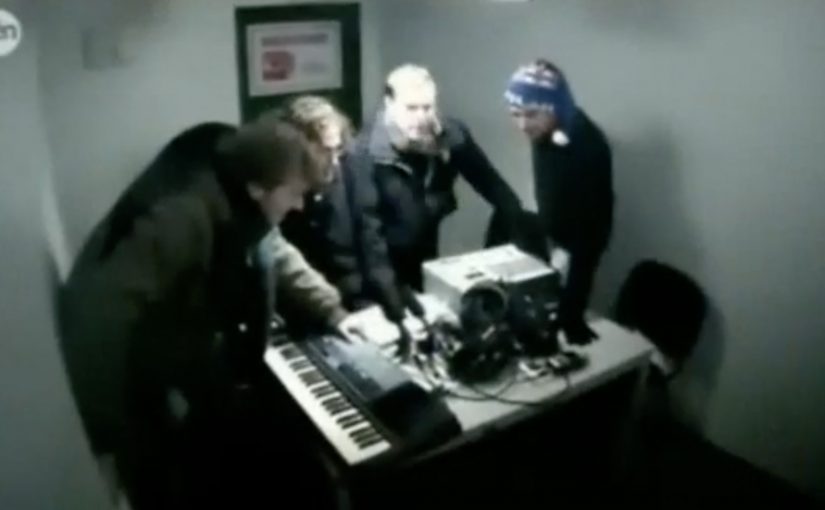
So on January 10, 2011, Belgian TV makers at VRT decide to prank Mobistar, and the segment later airs on their new comedy show, Basta. A Mobistar security guard named Mathieu becomes the unlikely hero, largely because he stays calm and friendly throughout.

The prank that turns “call center pain” into a live experience

The execution is cruelly simple. A physical setup triggers a phone call. That phone call leads into an intentionally endless customer-service loop of transfers, hold music, dead ends, and “let me check with my boss” deflections. The joke is not the person calling. The joke is the system that can trap anyone, even someone trying to do the right thing.

In European telecom markets, customer service reputation can outweigh product features in the public conversation.

Why it lands: it exposes the gap between message and reality

Modern consumers get tired of overpromising brand messages, especially when the lived experience does not match. This prank goes viral because it dramatizes that mismatch without a lecture. You can feel the frustration build, and you recognize it instantly if you have ever battled a helpdesk script.

Extractable takeaway: If your brand invests heavily in advertising but underinvests in service, someone else will eventually tell your story for you. The narrative people remember will be the experience, not the tagline.

The uncomfortable lesson for big advertisers

The real question is whether your marketing is amplifying a service experience worth talking about, or drawing more attention to one people already resent.

The punchline carries a serious point. If brands want trust, they need to fund the product and the service before they fund the promise. Great campaigns amplify a great experience. They cannot replace it for long.

What to steal if you run CX, service, or brand

  • Audit your “moments of truth”: contact centers, chat, returns, and complaints shape reputation faster than brand film.
  • Measure friction, not just satisfaction: transfers, resolution time, and repeat-contact rate are where trust is won or lost.
  • Stop advertising around known pain: fix the root issue first, then scale the promise.
  • Turn service into a brand asset: when service is excellent, it becomes shareable for the right reasons.
  • Protect frontline humans: if your system is broken, your staff and customers suffer together.

A few fast answers before you act

What happened in the Mobistar prank?

A TV team stages a scenario that forces a Mobistar employee into an exaggerated, endless customer-service loop, mirroring the frustrations customers report when they seek help.

Why did Mathieu become the “hero” of the clip?

Because he stays polite and persistent while the system around him becomes increasingly absurd. His demeanor contrasts with the experience the prank is criticizing.

What is the business takeaway for brands?

Advertising cannot sustainably outshine poor service. When the lived experience disappoints, culture and media will surface the truth faster than any campaign can mask it.

How should a telecom brand respond to criticism like this?

Fix operational drivers first: staffing, escalation paths, first-contact resolution, and transparency. Then communicate improvements with proof, not slogans.

What should leaders measure to prevent this kind of reputational damage?

Resolution time, transfer rate, repeat-contact rate, complaint volume by issue, and sentiment in customer conversations. These tend to predict reputation better than awareness metrics.

Volkswagen: The Fun Theory

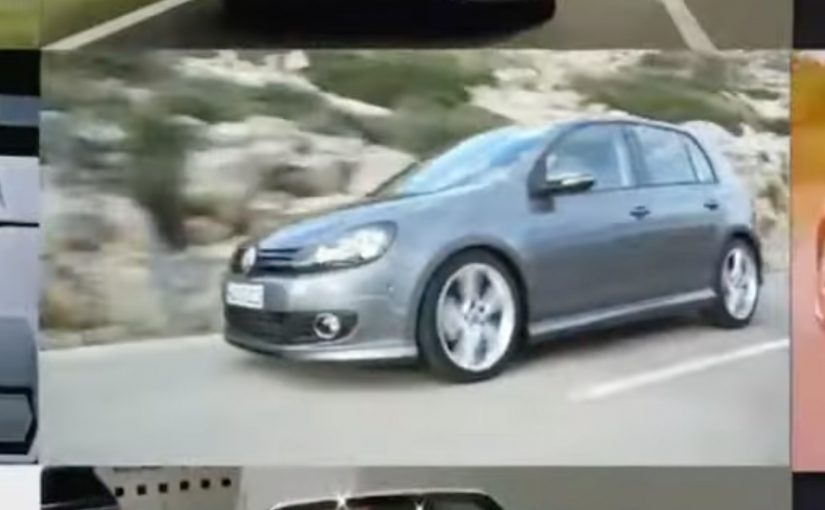
I am sure some of you may have already heard of the “The Fun Theory” campaign by Volkswagen that just recently won the Cannes 2010 Cyber Grand Prix for a digitally led integrated campaign. Here, “digitally led” means the digital layer does the heavy lifting for discovery, sharing, and participation, not just for amplification.

For those who have not heard of the campaign, The Fun Theory was all about generating interest in Volkswagen’s Blue Motion technologies that deliver the same great car performance with reduced environmental impact, and to do this, they found an insight around how “fun” could change human behavior for the better, and this formed The Fun Theory, a campaign that spawned over 700 user generated Fun Theory initiatives along with a number of big viral hits that generated over 20 million YouTube views, with one rushing past 12 million views alone!

What makes this digitally led (without overcomplicating it)

This is one of those campaigns where the “digital” part is not a layer added at the end. It is the distribution engine. It is how the idea travels, how participation scales, and how a single insight turns into hundreds of initiatives people want to copy, remix, and share. The real question is whether your idea can travel without you pushing it. A campaign is not digitally led unless the channels are the mechanic that makes it repeatable.

Extractable takeaway: If you want integrated work to scale, design the participation loop and the sharing loop into the idea itself. Otherwise “digital” stays a bolt-on and the campaign stays one-off.

The strategic insight that carries the whole idea

The Fun Theory is built on a simple behavioral observation. If you make the better choice fun, more people will do it. That is the core. Everything else is execution.

  • One clear behavior frame. “Fun changes behavior for the better.”
  • A product story that benefits. Blue Motion technologies. Same performance, reduced impact.
  • A scalable content model. Big hits create attention, then user generated initiatives extend the lifespan.

In large brand organizations, integrated work scales when the behavior mechanic and the distribution loop are designed together.

What to take from this if you are building integrated work

  1. Lead with a human mechanism, not a message. People share mechanisms they can repeat.
  2. Let distribution be part of the design. If it does not travel, it does not scale.
  3. Create a format others can copy. The strongest campaigns spawn “versions.”
  4. Keep the brand role credible. The idea must connect back to a real product promise.

A few fast answers before you act

What is Volkswagen’s “The Fun Theory” in one sentence?

It is a digitally led integrated campaign built on the idea that making the better choice fun can change human behavior for the better, while building interest in Volkswagen’s Blue Motion technologies.

Why did this campaign matter beyond a single viral video?

Because it scaled into participation. It spawned hundreds of user generated initiatives, not just one-off attention.

What is the link to Blue Motion technologies?

The campaign positioned Blue Motion as delivering the same great car performance with reduced environmental impact, then used “fun” as the behavioral hook to earn attention and sharing.

What is the transferable lesson for digital and brand leaders?

If you can pair a simple behavioral mechanism with a credible product story, digital channels can turn one idea into a repeatable format that communities propagate for you.

How do you know when a “digitally led” idea is strong enough?

If people can describe it quickly, repeat it without you, and share it with minimal friction, it is built to scale.